Birding in Lake Mburo National Park
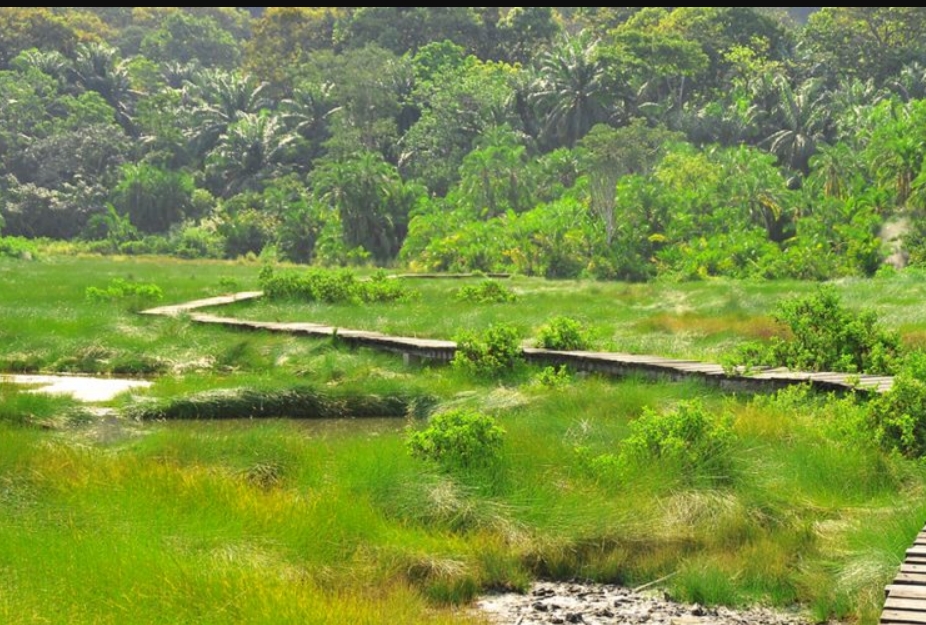
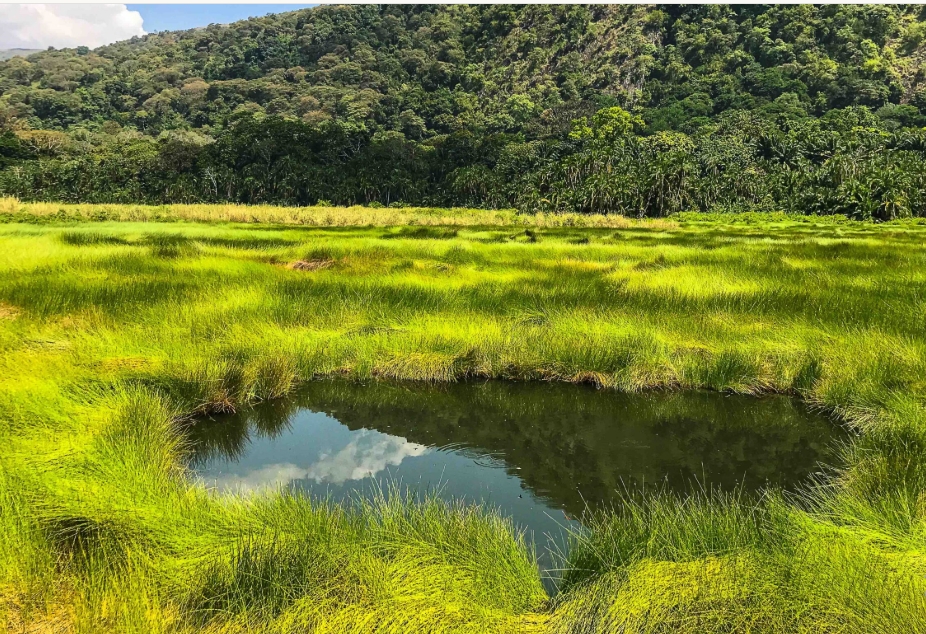
Birding in Lake Mburo National Park, the park is one of Uganda’s top birding destinations, harbouring a diverse range of bird species where bird watchers find pleasure in the park’s 332 recorded bird species, particularly in acacia and papyrus habitats. The park is situated in Kiruhura District along the Masaka-Mbarara Highway, which runs between Kampala and Uganda’s western protected areas. Its unique acacia grasslands and scenic wetlands are home to unique wildlife species such as zebras, topis, impalas, Rothschild giraffes, and other rare species that are extremely uncommon in other Ugandan parks.
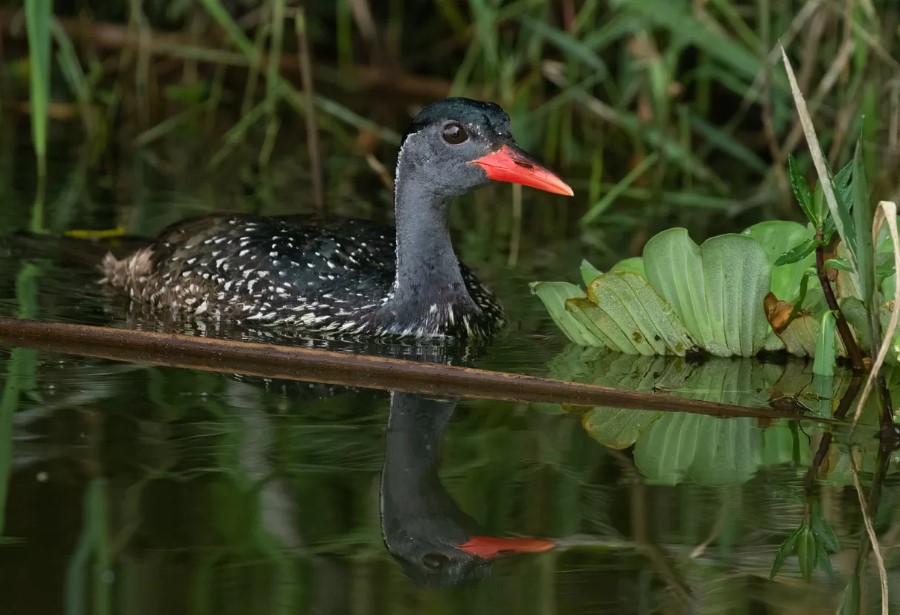
It is among the top sites in Uganda for acacia-dwelling birds such as the Bare-faced Go-away Bird, Black -collared Barbe, among others. During boat cruises, visitors can see the elusive African Finfoot and the stunning Ross’s Turaco, among other Mburo delights in the park. Papyrus specialties such as the Blue-headed Coucal, the threatened Shoebill, and the Papyrus Gonolek can be found in the wetlands.
The park’s richness is further enhanced by migratory birds, which are present from November to April. With its rolling hills, woods, wetlands, and woodlands, Lake Mburo is referred to as the “whisper of the wilderness” and is renowned for its abundant biodiversity. It is also a good place for woodland birds from the neighbouring Rubanga woodland, as well as southern species at the northern boundary of their habitats.
Location of Lake Mburo National Park
Lake Mburo National Park in Uganda is the smallest savanna park, but it is rich in wildlife and beauty. It is easily reachable from the highway between Kampala and western Uganda, located along the Masaka-Mbarara Highway in Kiruhura District. The park has wetlands covering 20% of its area, supporting diverse birdlife that attracts birdwatchers and nature lovers.
Visitors can see animals like impalas and zebras up close. Lake Mburo is about 30 kilometers from Mbarara and 240 kilometers from Kampala, making it perfect for day trips. The park’s ancient rocks and hills add to its charm, and it serves as a popular stop for tourists heading to western Uganda or for day trips from the capital. Tourists can also explore Bwindi Impenetrable Forest for mountain gorillas or visit Rwanda’s Volcanoes National Park for gorillas and golden monkeys.
History of Lake Mburo
Lake Mburo National Park has a history dating back centuries. According to local tradition, the area was once dry agricultural land worked by two brothers, Kigarama and Mburo. Kigarama had a dream that they would be in danger unless they moved to higher ground. He decided to relocate, but Mburo ignored the warning and stayed behind. Soon after, the valley flooded, and Kigarama witnessed his brother drown, leading to the lake being named after Mburo and the hills being named after Kigarama. In earlier times, the area known as Nshara was likely sparsely populated and favoured by the Mugabe of Ankole as a royal hunting ground. The Bahima were not allowed to graze their cattle there except during droughts due to the presence of tsetse flies that were harmful to their cattle.
Birds to see in Lake Mburo
Bird species in Lake Mburo to see include forest, migratory, savanna, water, and threatened birds; all can be found in the park premises because of its rich biodiversity. Yellow-throated Long Claw, Brown Parrot, Temminck’s Courser, Black-bellied Bustard, Southern Red Bishop, Common Quails, Blue-napped Mouse Bird, Bare-faced Go-away Bird, Rufous-chested Swallow, Red-necked Spurfowl, Emerald-spotted Wood Dove, and others. The Papyrus Gonolek is one of the secret papyrus species that is always concealed in the wetlands of the park. The Chin-spot Batis, Northern Black Tit, Rufous-napped and Flappet Larks, Northern Black Tit, Common Scimitarbill and Great Blue-eared Starling are some of the numerous species that can be seen.
The open grasslands along the northern part of Rwonyo Camp, near the zebra track, attract bird species like the enormous Violet-tipped and Temminck’s Courser, Coqui Francolin, Black-bellied Bustard, Flappet Lark, and Rufous-napped, particularly along the Zebra Track in Lake Mburo, which is home to birds like the Rufous-chested Swallow, Black-bellied Bustard, Rufous-necked Spurfowl, Coqui Francolin, Rufous-napped, and Flappet Lark, and the enormous Violet-tipped and Temminck’s Courser.
Nonetheless, the unique Striped Pipit has always been sighted in the vicinity of Rwakobo Rock Lodge. Therefore, keep a lookout for comparisons and contrasts between the colourful Glossy Blue-black and the southern Black Flycatcher
Regular sightings also include a few Brown-chested Plovers, which migrate via the Eland Track. Among the water birds that can be observed are the Rufous-bellied Heron, White-backed Heron, Goliath Heron, African Finfoot, African Jacana, Black-crowned Night Heron, Giant Kingfisher, and others. Interesting evening species, including the Verreaux’s Eagle-Owl, African Scops-Owl, and Freckled, Black Shouldered, and Pennant-winged Nightjars, may be visible by spotlighting the approach road.
other notable birds in Lake Mburo to see include the African Wattled Lapwing, Hairly-breasted Barbet, Chin-spot Batis, Blue-breasted Kingfisher, Southern Ground Hornbill, Tabola Cisticola, Mosque Swallow, Bateleur, Black-throated Barbet, Great Blue-eared Starling, Nothern Tit, Marico Sunbird, Ruppell’s Starling, and others.
Other adventure activities- Birding in Lake Mburo National Park
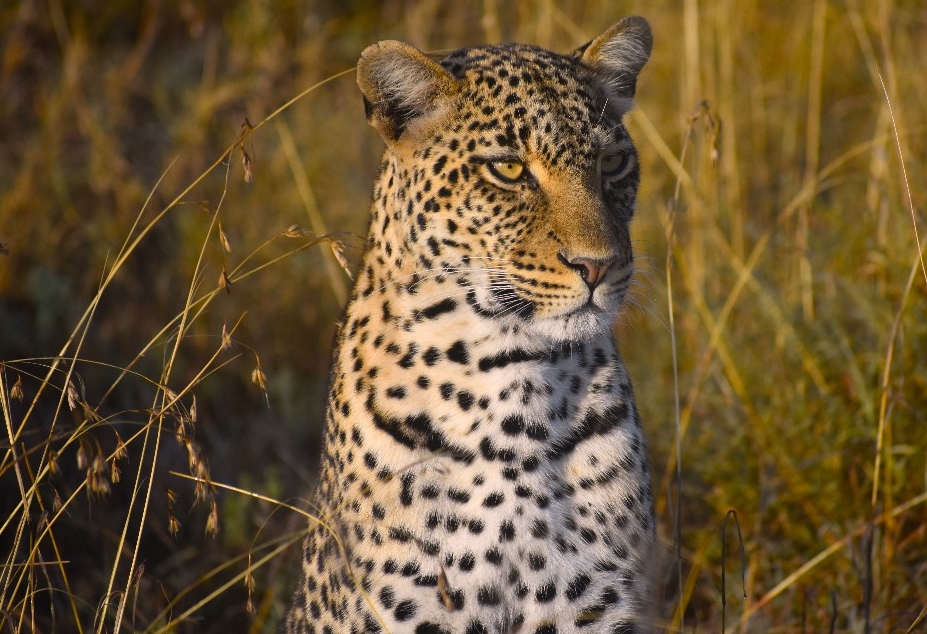
Due to its diverse habitats, including savannahs, wetlands, woodlands, and arid hills, the park supports a wide range of plant and animal species that are exclusive to Uganda. With its lush woodlands and grasslands that draw a variety of wildlife, the park boasts stunning scenery with lakes and rolling hills. At over 5,000, it is the greatest zebra population in Uganda and the only park featuring elands, impalas, and klipspringers. Game drives, boat cruises, horseback safaris, and guided nature walks are some of the ways that visitors can experience the park. Numerous leopards and common species, including buffalo, waterbucks, and warthogs, are among the park’s most well-known features. You might see hyenas and other nocturnal creatures on night drives.
The best time to do birdwatching in Lake Mburo
Birding in Lake Mburo can be done all year-round, but the rainy season, which occurs in March and April, makes reaching the birding areas difficult. During this period, migratory birds are present from November to April. The dry season, which runs from June to August, is the most favourable due to conducive climatic conditions that attract tourists. However, the rainy season visits can also be rewarding.
Conclusion
Birding in Lake Mburo National Park is a must do activity to bird lovers, however the park offers other activities like game drives, boat cruises, horse riding, community visits, and nature walks. Its proximity to Kampala makes it easily accessible. Travelers can also visit nearby attractions such as Bwindi Impenetrable Forest for gorilla trekking and Queen Elizabeth for wildlife adventures, and others.