Bird Species to See in Lake Mburo
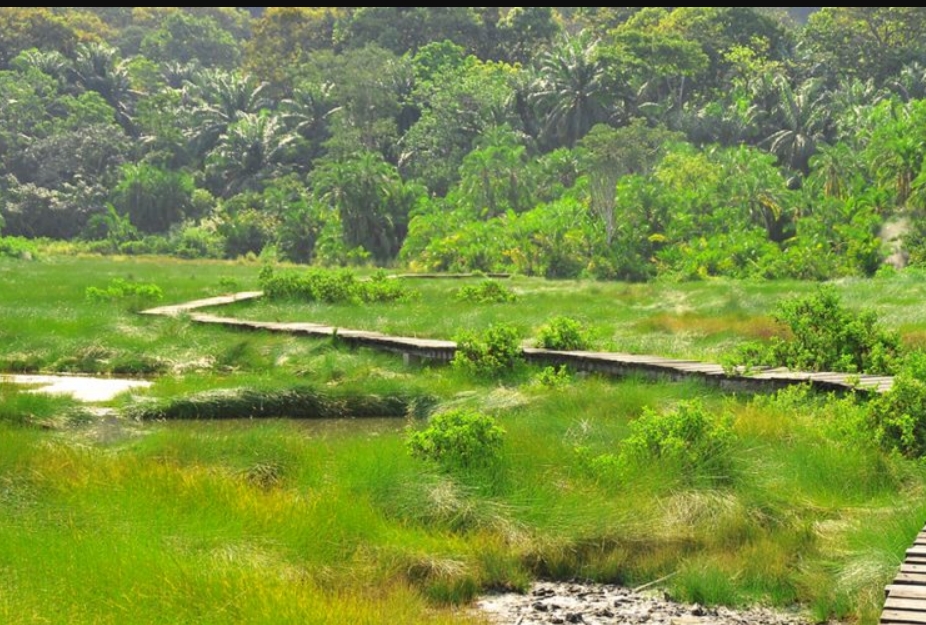
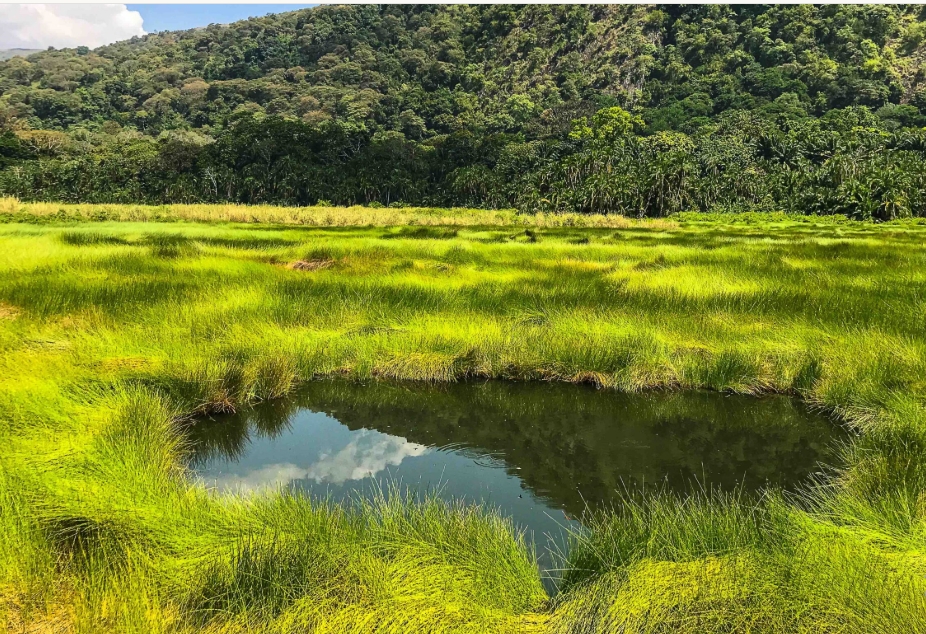
With an area of 370 km2, Lake Mburo National Park is Uganda’s smallest savannah park and a great place for birding safaris. With its breathtaking lakes, forests, and savannahs, it is home to more than 332 bird species, especially those that live in acacias. Being the only national park in Uganda that is part of the Zambezian Biome, it provides a distinctive opportunity for birdwatchers. Bird Species to See in Lake Mburo include the Shoebill Stork and the Red-faced Barbet, which are unique to this area, are visible to visitors. Areas surrounding Lake Mburo National Park, the Rubanga forest, the Warukiri and Miriti marshes, and adjacent salt licks are important locations for birdwatching.
Bird species to see in Lake Mburo National Park
Shoebill Stork
The Shoebill Stork is a unique large bird and a top highlight on a Mburo safari, known for its shoe-shaped bill and standing about 4.5 feet tall, weighighing over 7 kg and has grey feathers. This highly threatened bird species is commonly seen in the Miriti and Warukiri Swamps, where it lives in the marshes especially in the golden grasses and reeds. Besides lake Mburo, this bird species can also be spotted on a birding safari to Mabamba wetland as a top highlight of the day.
African Finfoot
The African finfoot is a colorful, duck-like bird with a bright orange bill and legs. Male finfoots have a grey throat, while females have a white throat. They live near water and possess lobed feet, a long neck, and a sharp beak. Their plumage is usually pale underneath. The finfoot can climb trees and shows behaviors similar to other water birds. It can be seen in the Rubanga forest during escorted nature walks.
Grey Crowned Crane
African Grey Crowned Cranes are large, long-legged birds known for their distinct features like long necks, straight bills, and an elevated hind toe. They have colorful markings, including pink, red, and white cheek patches, and a golden crown on their heads. Standing about 1 meter tall and weighing 3 to 4 kg, they are Uganda’s national bird. They live in wetlands, feed in pairs or flocks, roost in trees, and their chicks are precocial as they can run soon after hatching.
African Fish Eagle- Bird Species to See in Lake Mburo
The African fish eagle, or African sea eagle, is a large bird found in sub-Saharan Africa near open waters. It has strong talons and rough soles for catching fish and also eats waterbirds. This eagle has a brown body, white head, and large black wings, with females typically larger than males. They live 16 to 24 years in the wild and have unique yellow feet and a hook-shaped beak. Its cry symbolizes the spirit of Africa and it can often be seen around Lake Mburo National Park.
Papyrus Gonolek
The Papyrus Gonolek is a striking rare bird found in papyrus swamps in Uganda particularly Lake Mburo and Mabamba wetlands. This medium-sized bush-shrike measures about 18 cm (7 in) long and has a striking appearance. Both male and female birds have a yellow crown, black upper parts, and bright orange-crimson on their breast and upper belly, with a white bar on their wings. They make distinctive “chonk” or “chuwee” calls. The Papyrus Gonolek, belonging to the Malaconotidae family, is mostly seen in the Warukiri and Miriti swamps during birding tours in Lake Mburo National Park, making it a special sight for birdwatchers.
African Wattled Lapwing-Bird Species to See in Lake Mburo
The African wattled lapwing is a large bird found in marshes, fields, and burnt areas. It has a brown body, black crown, white forehead, and large yellow facial wattles with red bases. This bird has long yellow legs and often walks slowly or freezes with one leg raised. Its diet mainly includes seeds and insects like crickets and grasshoppers. They are usually spotted in pairs or small groups during nature walks around Lake Mburo and wetlands.
Martial Eagle
The martial eagle is a powerful predator known for its strong hunting abilities and is the largest eagle in Africa, weighing about 4.17 kg. Its name means “war-like,” showing its bold nature. This endangered species lives in sub-Saharan Africa across areas with plenty of food and space. The eagle has dark brown feathers on its back and a lighter underbelly with brown blotches. It often hunts alone or in pairs in open plains, preying on vertebrates like rats and birds. Its excellent eyesight allows it to spot prey from 6 km away.
The Ross’s Turaco
Ross’s Turaco is the second largest Turaco, measuring 51 to 54 cm and weighing 390 to 444 grams. It lives in woodlands like Rubanga Forest. Both male and female birds incubate eggs. They are unique for having true red and green colors. These social birds have flexible toes and vibrant feathers, with a purple body, yellow face, and red crest.
Double-Toothed Barbet
The double-toothed barbet is usually found near fig trees in habitats like woodlands and gardens. They live in pairs or small groups, mainly eating fruits and insects such as winged ants and termites. This plump bird has striking black and red colors, a large head, and a long neck, with a notable ivory-colored bill and yellow skin around the eyes. They can be seen during birding tours in Rubanga Forest, Uganda.
Yellow-Rumped Tinkerbird
The Yellow-rumped Warbler is special because it can digest waxes in certain berries, allowing it to winter farther north, like in Newfoundland. Males search for food higher in trees than females. They are small with black-and-white coloring and varying yellow rumps. The yellow-rumped tinkerbird, similar but differently marked, can be found in Ugandan forests.
Yellow Throated Tinker Bird
The Yellow-Throated Tinkerbird is a common bird found in Uganda, part of the African barbet family. It has a plump body, a large head, and a heavy bill. Typically solitary, it lives in forests and has higher-pitched calls near the coast. With yellow throat, pale underparts, and black upperparts, it can be confused with similar species. It can be seen in Rubanga forest.
Red-Faced Barbet
A red-faced barbet is a colorful African bird known for its bright red face and eye markings, with a black body and yellow-streaked wings. It measures about 17 cm and lives in Burundi, Rwanda, Northwest Tanzania, and Southwest Uganda, favoring dry and moist savanna habitats. The bird is at risk due to habitat loss and often appears in pairs or small groups. It resembles the black-billed barbet but lacks red on its throat.
Yellow-Breasted Apalis
The yellow-breasted apalis is a colorful bird from the Cisticolidae family. It has green upper parts, a yellow breast, a grey face with a red eye, and a white belly. These birds usually live in pairs, feed in canopy mixed flocks, and make a buzzy call. They are not considered vulnerable and can be seen in subtropical or tropical forests, especially around Rubanga forest.
Piapiac
The piapiac is a striking African bird in the crow family and the only one in its genus, Ptilostomus. It has a long tail and a sturdy bill. Adult piapiacs have shiny black feathers, while juveniles have pink bills with black tips. They are found in open savannas, cultivated areas, and rural villages. Piapiacs often gather in groups and can be seen riding on the backs of mammals or resting in trees. They are commonly spotted near buffalo herds at Lake Mburo, particularly during the dry season.
Bare-Faced Go-Away-Bird
The bare-faced go-away bird is a striking bird in the Musophagidae family, known for its distinctive bare black face. It has a bushy crest, a white head, and a grey body. This bird typically lives in moist savannas, woodlands, and shrubs, often in small groups, at elevations between 500 m and 2,200 m, primarily 1,000‒2,000 m. The name “Go-away” comes from its alarm call, which sounds like “G’way!” Unlike similar species, it has a grey and white appearance, a bare black face for eating fruit, and specific features that set it apart. The bird can often be seen during nature walks near salt licks.
White-Headed Barbet- Bird Species to See in Lake Mburo
The White-headed Barbet is a medium-sized, colorful bird with black-and-white features. Its tail can be black or white, wings can be black or white-spotted, and underparts may be all white or black with white streaks. It is often found in fig trees and woodlands, usually in groups.
Tropical Boubou
The tropical boubou, also known as the bell shrike, is a medium-sized black-and-white bush shrike. Its underparts are white, and it has glossy blue-black upper parts and tail, with a white wing stripe. Look for it on nature walks near the salt licks.
Red-Chested Sunbird
A red-chested sunbird is a slim, beautiful bird in the Nectariniidae family. Males are black and green with a red band and long tail feathers, while females are grey-brown above and pale below with dark markings. They are often confused with other sunbirds but differ in belly color and markings. These birds live in various habitats like wetlands and gardens and can be seen in Lake Mburo National Park during nature walks to salt licks.
Pin-Tailed Whydah- Bird Species to See in Lake Mburo
A pin-tailed whydah is a small gorgeous songbird with an exclusive pennant-like tail in breeding males. Males are easily identified by their black back and crown plus a very long black tail. Their wings are dark brown with white patches and have white underparts plus a short orange-pink bill. Females don’t have a long tail, they’ve streaked brown upperparts, white underparts with buff flanks, and a buff black face pattern however, they hold an orange-pink bill. They can be spotted around the viewing platforms near the salt licks in Lake Mburo National Park.
Malachite Kingfisher- Bird Species to See in Lake Mburo
The Malachite kingfisher is a small colored kingfisher, about 13cm in length. It has a short black crest with blue feathers however, it’s identified by its bright metallic blue upperparts and orange underparts. It also has white patches on the throat and rear neck sides and features bright red legs plus a reddish-orange bill though black in juveniles. The Malachite kingfisher sits still for long periods before diving to snatch its prey in the water. They can be spotted while on a boat cruise on Lake Mburo.
Pied Kingfisher
The pied kingfisher is a lovely species of kingfisher easily identified by its black and white striped plumage. It has a short, bushy crest and silky dark bill. They’re commonly seen resting in small groups or pairs and commonly hover over water (clear water) before diving for fish. Males are double banded across the breast and females have a single gorget that’s usually broken in the middle. They can be spotted while on a boat cruise on Lake Mburo.
Blue Breasted Kingfisher- Bird Species to See in Lake Mburo
The blue-breasted kingfisher is a beautiful tree kingfisher usually spotted in rainforests. Their prominent feature is the blue-breasted chest. Mature ones have a bright blue head, back, wing panel and tail and white underparts plus black shoulders. Their large bill features a red upper and black lower mandible. Please, also note their bright red legs. They can be confused with the woodland kingfisher however, the blue-breasted king fisher is larger, has a black patch on the back, blue breasts, a black line behind the eye, and prefers thicker habitats. It can be spotted in Rubanga forest
Saddle-Billed Stork
Called also the saddle bill, the saddle-billed stork is a large wading bird in the stork family. It’s a nice-looking tall leggy black-and-white stork easily identified by its striking red, yellow, and black bill. It can be spotted singly or in pairs, around Lake Mburo National Park.
Yellow-Billed Stork- Bird Species to See in Lake Mburo
A yellow-billed stork is a stunning large African wading stork in the family Ciconiidae. This lovely bird is easily identified by its striking yellow bill and bright red facial skin. Its plumage is white with a short black tail that is glossed green and purple when freshly molted. Though, a little similar to the white stork, a white stock lacks red facial skin and a yellow bill. It can be seen around Lake Mburo shores.
Pink-Backed Pelican
Pink-backed pelicans are rather small pelicans, though still very large birds weighing 4-7kg. They have a pale grey plumage with a pinkish bill, a grey crest, and a pinkish hue on the back “not in deep pink of a flamingo”. Immature have darker grey. Though confused with great white pelicans, pink-backed pelicans are much smaller and have a pinkish bill. These lovely birds are spotted while on a thrilling boat cruise on Lake Mburo, usually in small groups along the shores.
African Darters
The African darter is an amazing cormorant-like water bird usually referred to as a snake-bird due to its long & slender neck that has a snake-like appearance when it swims with its body submerged. Adults are mostly black with white flecks and streaks. Males have rusty necks and a white stripe running from the eye down the side of the head while females and juveniles are muted and brown. On your Uganda safari in Lake Mburo NP, they can be spotted while on a thrilling boat cruise on Mburo lake.
Great Cormorant- Bird Species to See in Lake Mburo
Great cormorants are lovely water birds mostly covered in black plumage except for their yellow chin and a white patch on the throat and the thighs plus a grey duck-like bill. These gorgeous birds are the 2nd largest species of cormorants after the flightless cormorants (endemic to Ecuador). They’re mostly spotted standing on rocks and you can spot them while on a boat cruise to Lake Mburo.
Long-Crested Eagle
A long-crested eagle is a spectacular African bird of prey locally known as Kamusungu-sungu in Uganda. It has a blackish-brown plumage and long thin feathers growing from the rear of the crown- usually held erect. Kamusungu-sungu’s eyes are bright yellow though, females have darker and their cere and feet are yellow, fading to white in males. They mostly feed on forest edges and near moist areas. In Lake Mburo National Park you can spot one around the viewing platform near the salt licks.
Black Breasted Snake Eagle
Also called the black-chested snake eagle, a black-breasted snake eagle is a beautiful eagle easily identified by its dark brown-black head and chest thus, named the black-breasted eagle and feeds mostly on snakes hence, the other name though, it even feeds on lizards, insects, small mammals and frogs. This eagle features a white belly, bright yellow to orange eyes, and its legs, the hooked bill are pale grey. It can be spotted around the salt licks.
Goliath Heron
The goliath heron is the world’s largest heron species weighing over 4-5kg and 6-7ft tall with a wingspan of 2m plus a strong dagger-like bill. Males and females look alike. This incredible heron has a slate-grey plumage, with a chestnut-colored head and a striped neck plus a white chin and throat. It has black legs and yellow eyes with a yellow eye ring. A goliath heron is so aquatic, hunting for large fish and other amphibians. It can be spotted in Warukiri and Miriti swamps.
African Openbill
An African openbill is a medium-sized dark stork. This amazing stork is identified by its exceptionally- shaped bill which has a gap between the upper and lower mandible. Their beaks only meet at the tip and not in the middle hence, the name “openbill”. They prefer still waters of shallow lakes, swamps, and seasonal pans. In Lake Mburo National Park, they can be spotted in Warukiri and Miriti swamps.
Abdim’s Stork- Bird Species to See in Lake Mburo
Also known as the white-bellied stork, Abdim’s storks are social storks belonging to the Ciconiidae family. They feed mostly on insects and are found mostly in open habitats however, also use wetland margins. This stunning bird has grey legs, red knees and feet, a grey bill and white underparts.It has red facial skin in front of the eye and blue skin near the bill in the breeding season. Abdim’s stork is the smallest species of stork- 73cm tall, weighing about 1kg. They can be spotted around Lake Mburo.
Southern Ground Hornbill
The southern ground hornbill is the largest species of African hornbill. This enormous, social and terrestrial-loving hornbill is truly unmistakable, covered in black plumage. An adult male has a brilliant red face and throat wattles, while females have purple-blue in the center of the red throat patch.Juveniles are scruffy with yellowish facial skin. In flight, this giant bird is black with wide white wingtips. They’re mostly spotted in grasslands in pairs or small groups. You can spot them while on nature walks to the salt licks.
Hammerkops
A hammerkop is an amazing medium-sized wading bird with brown plumage. Their head shape, a long bill and crest at their back resemble a hammer, hence their name. It mostly feeds in shallow water preying on fish and amphibians though, shrimps, insects and rodents are taken too. Hammerkops are known to build giant stick tree nests (of about 1.5m across) in large trees. It’s rarely missed on guided nature walks around Lake Mburo.
African Sacred Ibis
The African sacred ibis is an amazing-looking species of ibis, a wading bird of the family Threskiornithidae native to Africa and the Middle East. This striking white ibis is easily identified by its bald black head, thick curved black bill and black legs plus its wings being edged with black wingtips.
They can be spotted while on nature walks around Lake Mburo National Park.
Black-Billed Bustard – Bird Species to See in Lake Mburo
Also known as the black-bellied korhaan, the black-bellied bustard is a spectacular medium-sized African ground-dwelling bird in the bustard family. They’ve black and brown marks on a mostly tan-colored back. Males have a black belly, neck stripe, throat, and face patch while females have uniform buff-brown from the belly to the head.Males, usually retract their head to the back, giving “a short rising wheezy whistle, zhweeeeee”, pauses in that position, and slowly raises the head, giving a popping quock followed by an amazing soft gurgling. They can be spotted on a nature walk to the salt licks.
Common Bulbul
The common bulbul is a lovely nondescript thrush-sized brown bird with a darker face and throat. Their belly is pale and the undertail white or yellow in some species. It’s usually spotted in small flocks and not easily missed due to its noisy and repetitive powerful song. They can be spotted while on a guided walk to the salt licks.
Blue-Headed Coucal
The blue-headed coucal is an incredible species of cuckoo in the family of Cuculidae. It has a heavy bill and its head usually looks black, though can show a blue gloss. It has a dark brown plumage at the back and its underparts are white while a long tail is black. They’ve pure red eyes, and greyish-black legs and feet. They’re mostly found in marshes, swamps, and wetlands, though occasionally seen in open lands. It can be spotted on guided nature walks to the salt lick.
Black-Headed Gonolek
A black-headed gonolek is a magnificent bird species in the family of Malaconotidae. It mostly dwells in dry savanna, tropical moist shrubs and seasonally flooded lowland areas. This beautiful bushshrike is identified easily by its shining red and black plumage. Though similar to the papyrus gonolek, the black-headed gonolek has an all-black head lacking a yellow crown. On your Uganda birding tour in Lake Mburo National park, it can be spotted on a nature walk around Lake Mburo.
Speckled Mousebird
A speckled mousebird is the largest species of mousebird and the most common one. This pretty mouse bird has a brownish-grey plumage and a long scruffy tail. It’s distinguished from other moosebirds by its blackish face and grey-brown crest. Just like other moosebirds, this bird is acrobatic- capable of feeding upside down. They’re mostly spotted in small social groups, in forest edges and thickets in savannahs, feeding on fruits, leaves, flowers, etc. They can be spotted around the viewing platforms near the salt licks.
Blue-Naped Mousebird
A blue-naped mousebird is a beautiful pale grey bird with a tremendously long tail. Adults have ash brown, greyish plumage, crested heads with a blue nape, plus a black-and-red bill. The juveniles lack blue on the nape and have pink facial skin and greenish bills. This lovely bird can be spotted while on a guided nature walk to the salt licks.
Black Cuckoo
A black cuckoo is a lovely medium-sized cuckoo species in the family of Cuculidae. This woodland bird is commonly spotted in acacia woodlands, thickets and along riverside woodland. It’s unmistakably identified by its entirely black plumage except for white tips on the long tail and sometimes limited white barring elsewhere. It can be spotted while on guided nature walks to the salt lick.
Red-Chested Cuckoo
A red-chested cuckoo is nice-looking species of cuckoo in the family Cuculidae. Males have slate-grey upper parts, pale grey throats and sides of their heads and dark grey tails tipped with white. Its breast is rufous (cinnamon), usually with barring, and the belly is creamy-white or pale buff. Females resemble males however, the color of the breast is duller and with variable amounts of barring. They can be spotted on guided walks in Rubanga forest.
White-Winged Warbler- Bird Species to See in Lake Mburo
A white-winged warbler is a beautiful species of bird in the family Phaenicophilidae. It’s the only member of the genus Xenoligea. This eye-catching warbler has a bright green back, a grey crown, and white underparts plus blackish wings and tail. It’s named for the bold white stripe on the wings.
Though identical to the Green-tailed ground warbler, it’s identified by a white stripe on its wings. They’re usually spotted in thickets or shrubs on a guided walk to the viewing platform around the salt licks.
Black-And-White-Casqued Hornbill
Also called the grey-cheeked hornbill, the black and white casqued hornbill is a large black and white hornbill. It’s identified by its enormous blackish bill with a large casque on top. Males have larger black and white bills than females. They’re monogamous, commonly seen in pairs and their diet consists mainly of figs, fruits & insects.
In flight, they show a broad white patch at the back of the wing and a black tail with white sides. It’s similar to the White-thighed hornbill but, has a black center to the tail, black wingtips plus a darker bill and casque. They can be spotted on nature walks to Rubanga forest.
Crowned Hornbill
The crowned hornbill is a medium-sized African hornbill easily identified by its white belly, black back, and wings plus an orange bill with a stocky casque on the upper mandible, smaller in females.
They’re found mostly in woodlands, and forest edges, usually in small flocks. You can spot them while on nature walks to the viewing platform around salt licks.