What is the cost of gorilla filming in Uganda
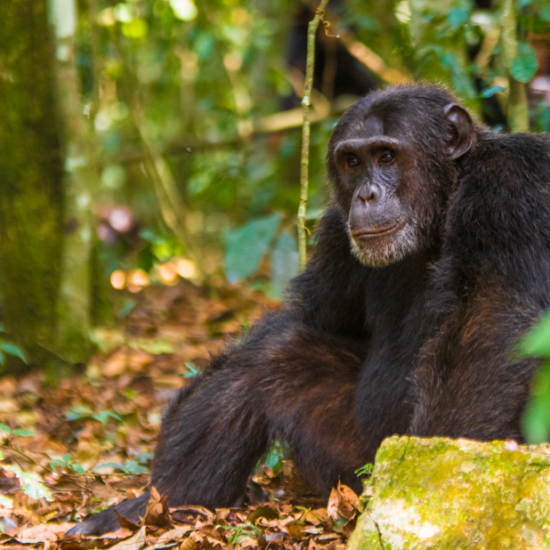
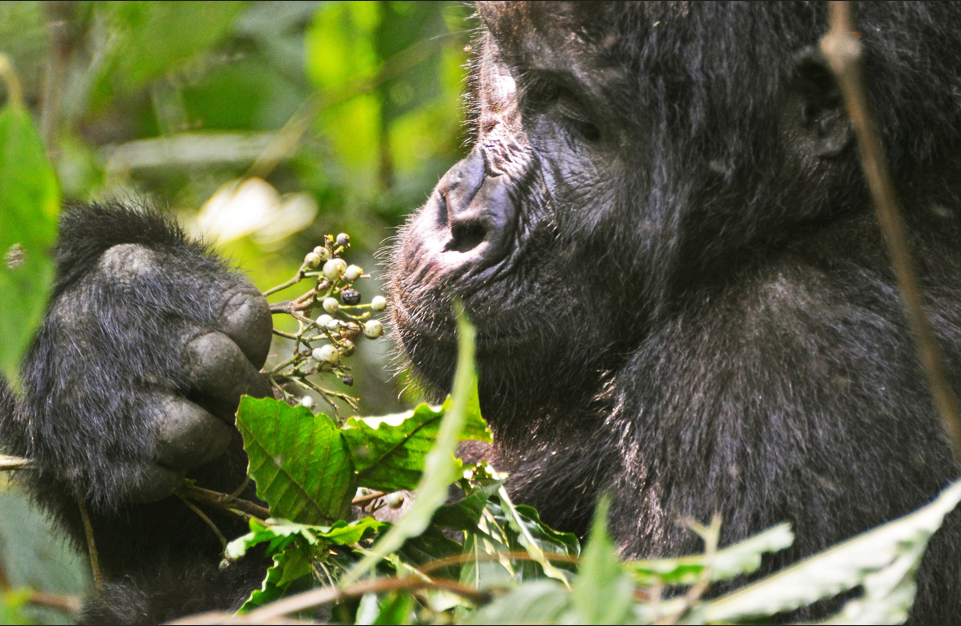
What is the cost of gorilla filming in Uganda: Gorilla filming in Uganda is carried out in two gorilla parks, Bwindi Impenetrable National Park and Mgahinga National Park, and involves capturing videos of mountain gorillas in their natural habitats. Travelers interested in this activity should visit Bwindi Impenetrable Forest National Park in southwestern Uganda, which covers 331 sq. km.
This park is home to the highest population of mountain gorillas and has over 24 fully habituated and 1 semi-habituated gorilla families. Travelers can film either type for different durations, requiring specific permits for each. These include a gorilla habituation permit, trekking permit, and a filming permit.
What is the cost of gorilla filming in Bwindi
The Uganda Wildlife Authority must grant authorization to film mountain gorillas in Bwindi. A gorilla filming permit, which UWA sells for $4200 per group, is necessary for gorilla filming. The gorilla trekking permission price is not included in the gorilla filming permit fee. Even if the filming team consists of fewer than eight individuals, the crew is still responsible for paying gorilla permit costs for the remaining members of the group.
In Bwindi, a typical gorilla trekking permit is UGX 300,000 for East African citizens, $700 for foreign residents, and $800 for non-residents. Permits for gorilla habituation are $1500 for foreign non-residents, $1000 for foreign residents, and UGX750,000 for East African citizens. Travelers who want to film gorillas in Bwindi should consider obtaining habituation licenses, as they provide four hours to spend with mountain gorillas, enough time to get the greatest footage.
What does it take to do gorilla filming in Bwindi
A gorilla trekking or habituation permit and a gorilla filmmaking permit are required in order to shoot gorillas in Bwindi. In addition to permissions, you must get your filming equipment cleared at Entebbe International Airport and obtain media cards from the media center. Before shooting in Bwindi, visitors must pay $1000 to the Uganda Wildlife Authority. This money will only be reimbursed if you provide them with a copy of the footage you captured.
Book a gorilla filming safari in Bwindi with a local tour operator.
We can only suggest that tourists who want to film gorillas in Bwindi employ a local tour operator as long as they are able to get their own gorilla permits and gorilla filmmaking permissions. One of the local tour companies that can assist you in scheduling an unforgettable gorilla filming safari in Bwindi is Caracal Explorers.
In order to make a reservation, you must send us an email with the dates of the month and year you wish to see and record the mountain gorilla. We will use this information to first inquire with the Uganda Wildlife Authority about the availability of gorilla permits. We will notify you via email as soon as the gorilla permits and gorilla filming permits become available. The communication will also include the various banking details and the total cost. You will contribute money, and as permits tend to sell out rapidly, we will get them first.
We will get in touch with the Uganda Media Centre to obtain a media card that will enable you to film in the nation after obtaining the gorilla permits and gorilla filming permissions. When you arrive at Entebbe International Airport, we will also assist you in clearing your filming equipment.
Best Time to have gorilla filming in Bwindi
Although it is possible to film gorillas in Bwindi all year round, the dry season is the ideal time to do it. The greatest times to shoot gorillas are during the dry season, which runs from June to September and December to February. This is because there is little to no rainfall during these months, which prevents the filming equipment from being destroyed. The roads leading to the park are in good shape, the foliage is short and dispersed, and the trekking rails are dry and less slick during the dry season, which also offers the best views of the animals.
Filming in Bwindi is still possible during the rainy seasons of March through May and October through November, and those who want to do so will receive significant savings on lodging. However, excessive rainfall during the rainy season causes the roads leading to the park to be impassable; the foliage is dense and tall, making it difficult to see the park animals; and the hiking trails become muddy and slick.
Where to stay on a gorilla-filming safari in Bwindi
When visiting Bwindi Gorilla Park for filming, visitors shouldn’t worry about where they will stay because the tour operators will always make reservations for lodging based on their travel budget. Every park area in Bwindi has enough lodging options for visitors, ranging from affordable to luxurious.
Engagi Lodge, Sanctuary Gorilla Forest Camp, Bwindi Forest Lodge, Four Gorillas Lodge, Ichumbi Gorilla Lodge, Gorilla Heights Lodge, Clouds Mountain Gorilla Lodge, Broadbill Forest Camp, Agandi Lodge, Chameleon Hill Lodge, Cuckoo Land Tented Lodge, Haven Lodge, Lake Mulehe Gorilla Lodge, and Rushaga Gorilla Haven Lodge are a few of the accommodation options in Bwindi.
How to access Bwindi for gorilla filming
For gorilla filming, Bwindi can be reached by road or plane. With chartered flights, it takes one hour and forty-five minutes to reach the national park. On certain days of the week, Fly Uganda, Aerolink Uganda, and Bar Aviation Uganda conduct flights to Bwindi.
You must reserve your seats well in advance if you want to travel to Bwindi. For visitors to the southern portion of the park and the Ruhija region, flights depart from Kajjansi Airport or Entebbe International Airport and arrive at Kisoro Airport. Since Kihihi Airstrip is closest to the Buhoma region, visitors use it.
From Kigali or Kampala/Entebbe, visitors can still reach Bwindi Gorilla Park via road. It can take four or five hours to get from Kigali to Bwindi via the Cyanika border in Kisoro or the Katuna border in Kabale. It takes nine to ten hours to drive from Kampala to any part of the park, passing through Masaka, Mbarara, Kabale, and Kisoro.