Bird Watching Safaris in Lake Mburo National Park.
Bird watching safaris in Lake Mburo National Park offer bird lovers and ornithologists a chance to explore the park’s rich avian life in their natural habitats. They will enjoy the sweet melodic sounds and calls of various bird species in the park. Lake Mburo National Park is a premier bird watching destination in Uganda, found in the western region of the country. It’s one of the most visited national parks due to its accessibility; it’s approximately 3 hours drive from Kampala, the capital city of Uganda, to the park. The park has diverse natural systems which provide habitats to various bird species, such as savannah grasslands, wetlands, acacia dwelling species and forests. Lake Mburo National Park is home to over 340 bird species, including forest birds, migratory birds, water birds, savannah birds and the park’s resident species. It is the only park in Uganda which is part of the Zambezian Biome, which provides excellent chances of viewing countless birds. Birding is best done in the morning or late afternoon hours when birds are starting their daily routines or concluding the day. There are different sites suitable for bird watching, like Rubanga Forest, Warukiri Marshes, and Miriti Marshes, all of which provide excellent chances of encountering birds.
Birds to encounter on Bird Watching Safaris in Lake Mburo National Park.
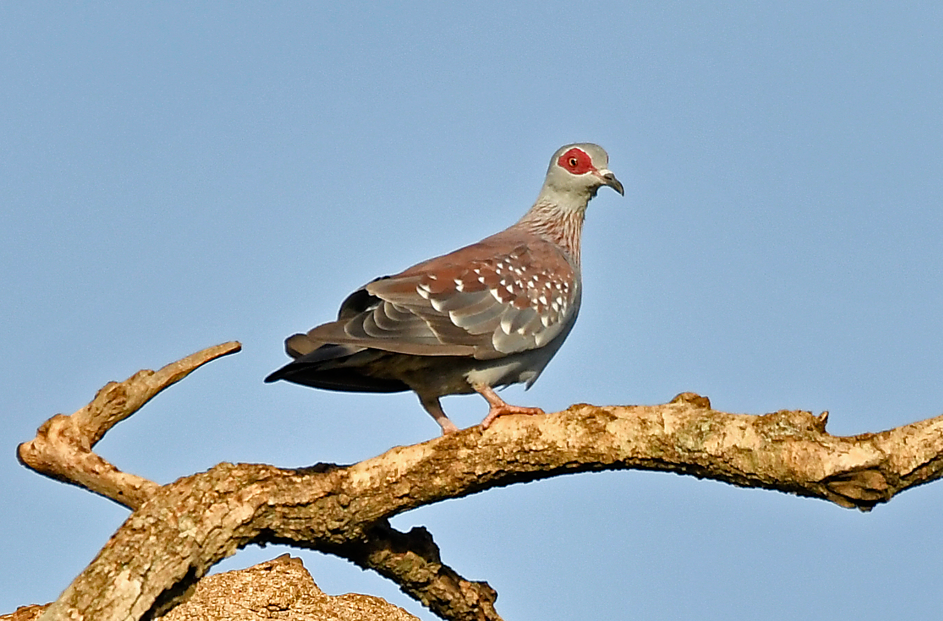
Bird enthusiasts will find the park a haven for bird watching with up to 340 bird species, such as forest birds, savannah birds, the park’s residents, migratory birds and acacia-dwelling bird species, which are rare to find elsewhere. Birds to encounter while in the park include Red-winged Francolin, Handsome Spurfowl, Scaly Spurfowl, Red-necked Spurfowl, Speckled Pigeon, Rameron Pigeon, White-naped Pigeon, Dusky Turtle-Dove, Mourning Collared-Dove, Red-eyed Dove, Ring-necked Dove, Vinaceous Dove, Laughing Dove, Emerald-spotted Wood-Dove, Black-billed Wood-Dove, Blue-spotted Wood-Dove, Tambourine Dove, Namaqua Dove, African Green-Pigeon, Black-bellied Bustard, Great Blue Turaco, Bare-faced Go-away-bird, Pied Cuckoo, Dideric Cuckoo, Klaas’s Cuckoo, Yellow-throated Cuckoo, African Emerald Cuckoo, Dusky Long-tailed Cuckoo, Barred Long-tailed Cuckoo, Black Cuckoo, Red-chested Cuckoo, African Cuckoo, Common Cuckoo, Pennant-winged Nightjar, Standard-winged Nightjar, Fiery-necked Nightjar, Swamp Nightjar, Plain Nightjar, Freckled Nightjar, Slender-tailed Nightjar, Square-tailed Nightjar, Mottled Spinetail, Sabine’s Spinetail, Scarce Swift, Alpine Swift, Mottled Swift, Common Swift, African Swift, Little Swift, Horus Swift, White-rumped Swift, African Palm Swift, White-spotted Flufftail, Buff-spotted Flufftail, Red-chested Flufftail, African Crake, Lesser Moorhen, Eurasian, Eastern Plantain-eater, Blue-headed Coucal, White-browed Coucal, Black Coucal, Blue Malkoha, Great Spotted Cuckoo, Levaillant’s Cuckoo, Moorhen, Red-knobbed Coot, African Swamphen, Black Crake, African Finfoot, Gray Crowned-Crane, Senegal Thick-knee, Water Thick-knee, Black-winged Stilt, Pied Avocet, Common Ringed Plover, Three-banded Plover, Long-toed Lapwing, Spur-winged Lapwing, Senegal Lapwing, Crowned Lapwing and more.
Bird Watching Experience in Lake Mburo National Park.
Bird lovers preparing their bird watching safaris in Lake Mburo National Park will have a chance to indulge in hundreds of bird species found in the park. This is a guided activity led by an experienced park guide who assists by identifying various bird species by their sweet sounds and calls, and gives information about the bird species encountered. Bird watching is best enjoyed in the morning or late afternoon hours when birds are still active. The park has different sites which are suitable for birding with various bird species like Miriti Marshes, Rubanga Forest, and Warukiri Marshes; all these sites provide equal opportunities for watching birds. Birders can enjoy birding in the park through game drives, nature walks, walking safaris, and boat cruises, all of which provide unforgettable bird watching experiences.
Best to do birding in the Park.
Bird watching in Lake Mburo National Park can be done at any time of the year, though some months are better than others. It experiences two seasons: the dry season and the wet season. The wet season is the most preferred period for birding, which is from March to May and October to November. This season receives enough rainfall, plants and tree species bear fruits, which provide enough food for birds. It’s the time of the year when migratory birds travel from Asia and Europe to the park in search of food, running away from the harsh weather conditions. This is a breeding season for most bird species in the park, which provides high chances of encountering various bird species. Bird watching safaris in Lake Mburo National Park can be done in the dry season, which runs from June to September and from December to February. This period is characterized by little to no rainfall. The park is less muddy, which makes searching for birds easy. Though during this season, birds tend to move deep into the park in search of food.