What are the Chances of Seeing Mountain Gorillas
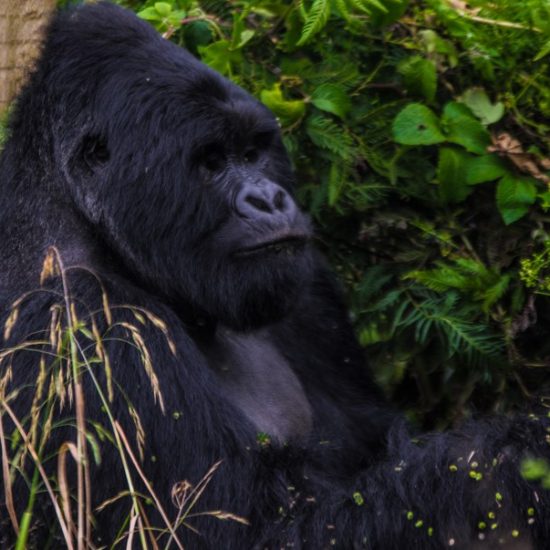
It would be a waste to spend a lot of money and not see the endangered mountain gorillas in the wild. The chances of seeing them in Rwanda or Uganda are about 95%. Knowing this before you go can help you decide if a gorilla safari is right for you. It’s important to be aware of the likelihood of seeing the gorillas so you can plan your safari experience effectively. This is because, for adventurers, especially those who are interested in primates, missing out on such a wonderful encounter is a complete disappointment.
Chances of seeing Mountain Gorillas
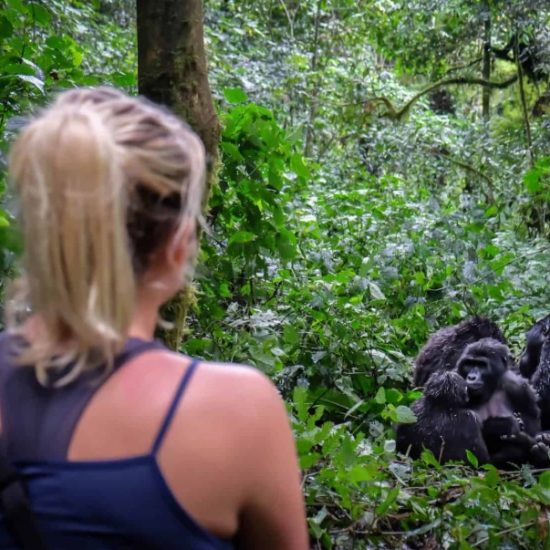
The chances of seeing mountain gorillas are high due to the strong organisation behind gorilla trekking in Uganda and Rwanda. Over the years, no clients have complained about not seeing the endangered mountain gorillas, which is notable. Gorilla trekking in Uganda begins early in the morning, using advanced trackers who locate the mountain gorillas in the forest before the group starts the experience.
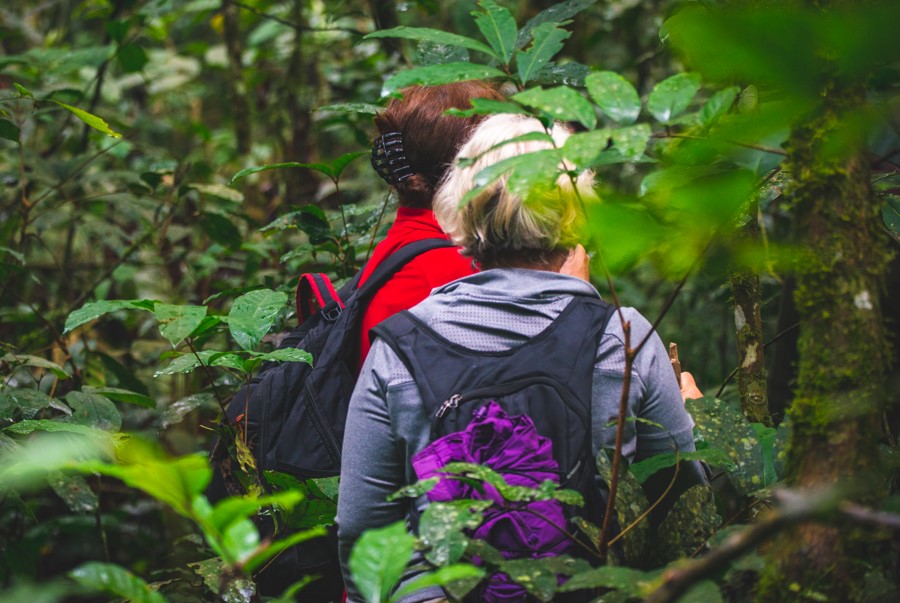
These trackers will start tracking the gorillas based on where they found the nests the previous night, and once the advanced team sees these gorillas, they will communicate with the guides, who will lead you as you track through the forests. Here, you will start the activity of the gorilla trekking into the forest, and you will follow the designated routes through communication with the rangers. The time it takes from the starting point to the end takes about 6 hours, and this depends on where the gorilla family has been located or found. Once you have finished, you will stay with the gorillas for one hour before you return to the starting point to receive the certificate.
Of course, some travellers would wonder what would happen if they didn’t see the gorillas on their gorilla trekking day. Yes, at times natural occurrences can happen and you fail to have the gorillas yet you have booked for them. Let’s say natural disasters like too much rain or any other reason beyond the control of the authority. In this case, the Uganda Wildlife Authority will compensate you by giving you another free day to enter the park and see the gorillas, so there is no need to worry about you coming and seeing the gorillas here. Gorilla trekking in Uganda is done in Mgahinga Gorilla National Park or Bwindi Impenetrable Forest National Park, and in Rwanda, the gorilla trekking activity only happens in Volcanoes National Park.
Booking Gorilla Permits
The chances of seeing the gorillas on a gorilla safari in Uganda or Rwanda are also directly related to the booking time of your gorilla permits, because if you don’t book in advance, your chances of seeing the gorillas may be low. To confirm that you have a reservation for Uganda gorilla trekking, you must obtain your gorilla permit in advance. It is recommended for tourists arriving in Uganda through Entebbe to purchase their gorilla permits from Kampala, and for tourists arriving in Uganda through Kigali, they can purchase their permits at the branch headquarters of the Uganda Wildlife Authority in Kisoro town, which is 1-2 hours’ drive from Bwindi. Or for those trekking in Rwanda, you can get the gorilla trekking permit from Rwanda Development Board.
You can also book the gorilla permit from us, as one of the best gorilla safari operators; we may get your gorilla permit in advance and on short notice. Once you confirm your dates and share them with us via email or WhatsApp, we’ll first make a tentative online reservation for the gorilla permits for you. Then, once payment clears on our account, we’ll buy your gorilla permits right away and send you scans of your permits for your records and inspection. This will confirm you’ve paid for your gorilla permits, which is interesting, and this increases the chances of seeing the gorillas.
Best time to see mountain gorillas
The best times to visit Uganda and see mountain gorillas are June to August and December to February. During these months, the dry weather makes hiking easier and more enjoyable than the wet season. Additionally, the trekking trails are always dry with short vegetation cover, offering clear scenic views of the resident primates.