Weather Facts for Travellers in Bwindi
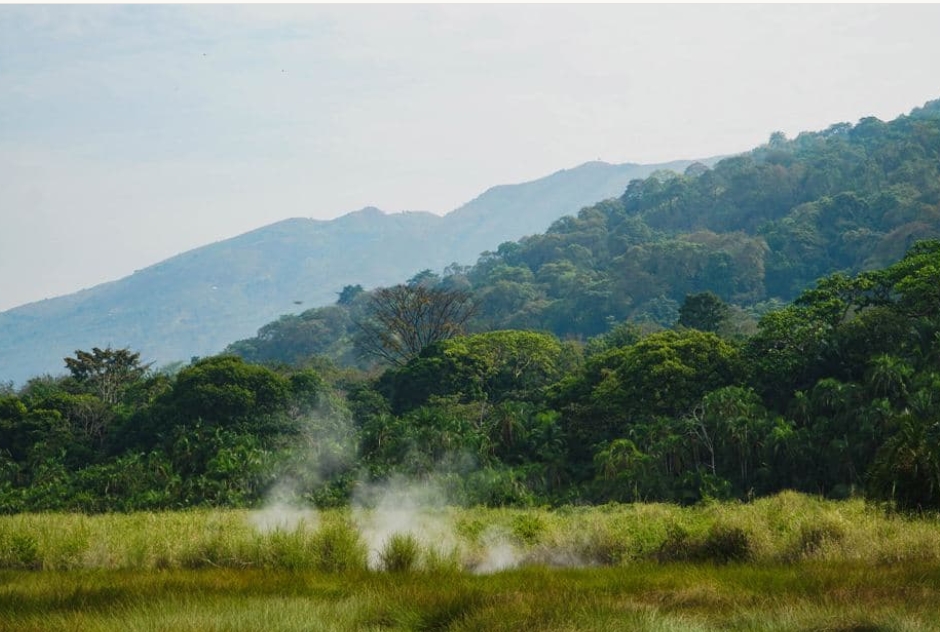
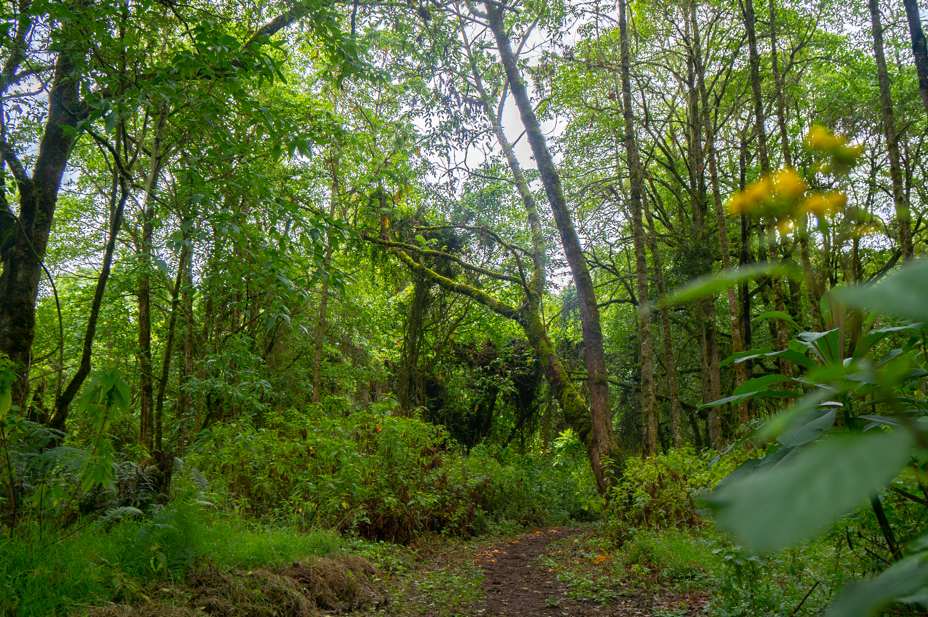
Weather Facts for Travellers in Bwindi: Located in south western Uganda in the districts of Kisoro, Rubanda, and Kanungu is Bwindi Impenetrable Forest, a unique tropical rainforest whose climate has two wet and two dry seasons. The annual temperatures range from 7°C to 15°C, with a maximum of over 20-27 °C, with less rainfall in winter than in summer, with an average rainfall of 1400 to 1900 millimetres. Heavy rains occur from March to April and from September to November, supporting dense vegetation that reduces soil erosion and helps flood control.
Weather means temporary conditions of the atmosphere, for example, the degree of hotness and coldness of the area, while climate is the weather condition in a given area for a long period of time. Bwindi comprises tropical rainforest, which makes it hard to predict its climate. The national park is near the equator line, which makes its temperatures be about 23 degrees Celsius during the day and 11 degrees Celsius at night.
Bwindi Impenetrable Forest National Park weather tends to be cold when you keep moving to high altitudes. Bwindi is a tropical climate area with a lot of trees; the park can receive rainfall at any time of the year, even though it’s during the dry season. Bwindi Impenetrable Forest National Park receives a total annual rainfall of up to 2000 mm, but this is always lower in the dry season of June to September and December to February.
There are two distinct seasons in Bwindi Impenetrable Forest National Park: the dry season and the rainy season. The wet season lasts from March to May and October to November, whereas the dry season runs from June to September and December to February. The greatest time to visit the park is during the dry season, which is marked by little to no rainfall.
Bwindi enjoys two wet seasons and two dry seasons, and these include:
- Wet seasons – runs from March to May and September to November
- Dry Seasons—runs from December to February and mid-June to mid-August
- The rains in March to May are short, and the heaviest month is November, which experiences long hours of soft drizzle.
Bwindi experiences minimum temperatures of 7 to 20 degrees Celsius and maximum temperatures of 20 to 30 degrees. In the morning and at night, the national park is consistently chilly. For this reason, visitors to Bwindi are recommended to bring sweaters and long sleeves. Because the equator line sits close to the Bwindi Impenetrable Forest National Park, rain can fall at any time of day, even when it’s not expected.
In the dry season, the roads leading to the park are passable, the foliage is sparse and short, making it possible to see the park’s animals, and the terrain is dry and passable, which doesn’t affect trekkers’ speed. Gorilla trekking during the dry season might take longer if the apes are searching for food at high altitudes or shorter if they are close to the starting location. Visitors can take excellent photos of the mountain gorillas and other park animals since they can see them clearly.
Due to the favorable weather, many visitors come to Bwindi during the dry season; therefore, those who intend to visit the park should reserve their gorilla permits in advance. Because there are so few gorilla permits relative to the number of individuals who wish to visit the park, they often sell out rapidly. There are only approximately 158 permits available in Bwindi; therefore, you should either book the permits directly or through a tour operator.
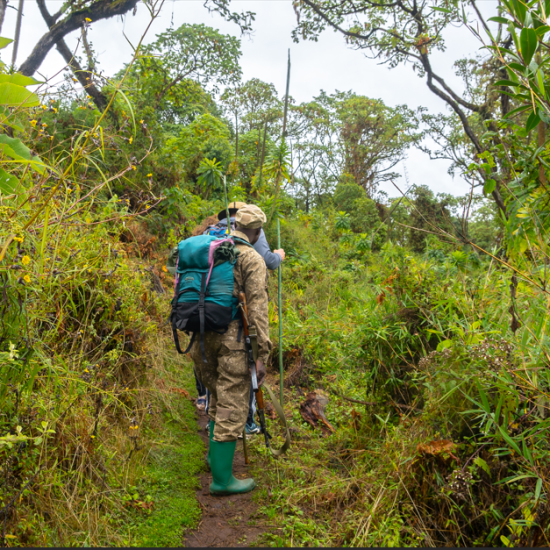
Trekkers’ speed is impacted by the muddy, slick ground caused by excessive rainfall during the rainy season. The tall and dense jungle makes it difficult to see the mountain gorillas; if they are not close to the trail, the armed ranger guides will clear the bush to pave a path to them. The roads leading to the park, particularly those from the main roadways in Kabale and Kisoro, are impassable during the rainy season.
Since there is an abundance of food in the park, mountain gorillas can be spotted quickly during Bwindi’s wet season. Mountain gorillas are forced to remain at lower elevations in quest of food due to excessive cold at higher altitudes. Because of the excessive rainfall in the park, fewer people visit Bwindi during the rainy season, but those that do always receive significant savings on lodging.
Where to stay in Bwindi
Bwindi Impenetrable National Park has unique accommodation facilities ranging from luxury, mid range and budget options. Some of these lodges include Silveback Lodge, Buhoma Lodge, Bwindi Lodge, Gorilla Forest Lodge, Mahogany Lodge, Ride 4 A woman, Oruzogo Safari Lodge, Bakiga Lodge, Gorilla Mist Lodge, Broadbill Lodge, Gorilla Leisure Lodge, Burunga Gorilla Lodge, Rushaga Gorilla Lodge, Ichumbi Lodge, Mirambi Safari Lodge, Dorotia safari Lodge, among others.