Visiting Lake Katwe
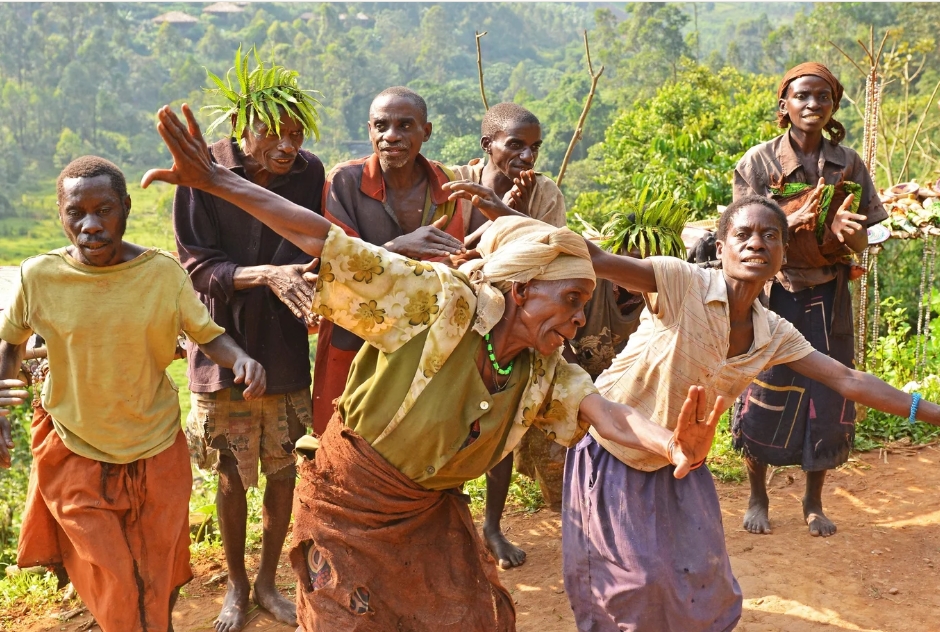
Visiting Lake Katwe is one of the most rewarding activities to do, which is a crater lake that lies is the northern part of Mweya Peninsula. It is situated in the small ram shackled Katwe village which predominantly depend on salt mining from the Lake. This lake is situated on the out skirts of Queen Elizabeth National Park in Kasese District, one of the premier wildlife destinations in the country and Africa at large. Travellers always have chance to go for a community visit or nature walk where they get chance to interact with the local people about the history and activities taking place in the area.
Lake Katwe is a salty water lake whose high salt concentration (sodium chloride content) hinders any aquatic flora or fauna from thriving in Lake Katwe. There is a lot of vegetation cover around the lake where various species and living organisms can be seen roaming across the savannah plains.
This vegetation is home to a diverse bird species mainly savannah and water birds. This salty lake has no inlets but instead depends on rain water and little ground water seepage. This lake loses its water through high evaporation during the dry season making the water to get saline.
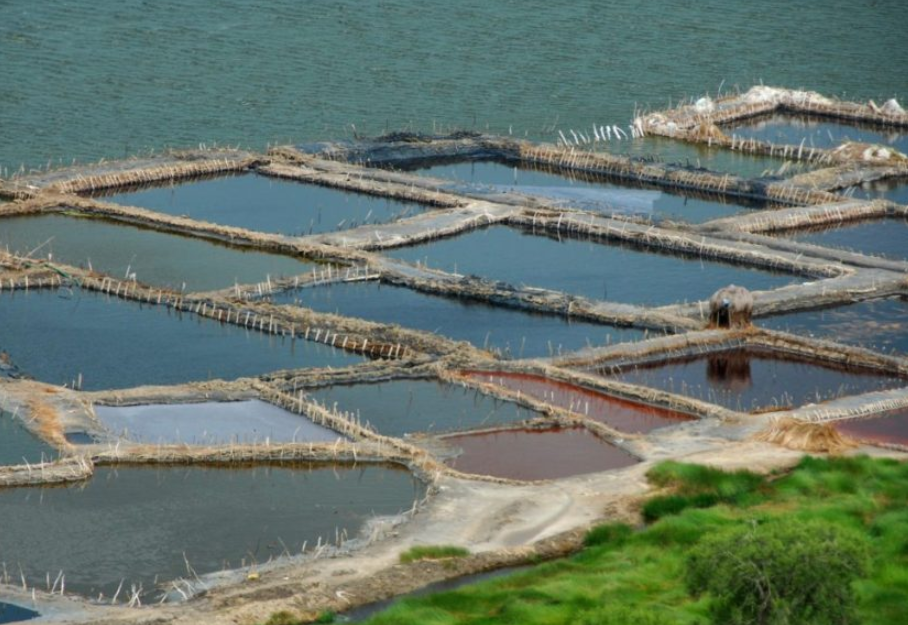
Lake Katwe is famous for salt mining, a primary economic activity that has sustained these locals for centuries, making it one of the oldest sources of excellent rough salt in Uganda. The lake is covered with privately owned segments of honey combs which are commonly known as extraction plots.
Visitors who are interested in learning more about the process of salt mining from Lake Katwe can always visit this place during the community visit where you will witness both men and women extracting and felling salt stones by hands.
The Katwe Community Tourism Information Center is ready to offer assistance to visitors in having an unforgettable experience in touring the salt mines surrounding Lake Katwe.
Tourists are welcome to stop by their offices at any time of the day, where they may get a guide at a very a very affordable cost. This guide will lead travellers visiting Lake Katwe, where you may see the residents collecting salt pans at several locations.
You will have the chance to meet these individuals and learn about their day today lives. You will learn how salt is made to earn a living, together with the challenges encountered when extracting salt.
Start observing the complete salt extraction procedure. Although Lake Katwe is located at the edges of Queen Elizabeth National Park, visitors should be aware that there is no admission or entrance fee charge.
What Led to the formation of Lake Katwe?
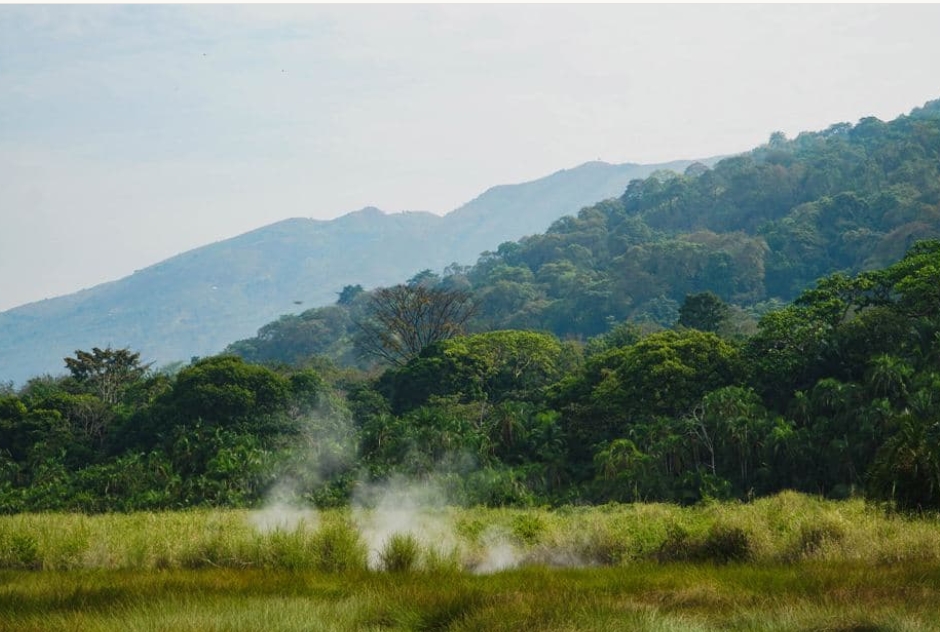
Due to volcanicity numerous extinct volcanic eruptions that blew off the summits of the volcanoes are thought to have contributed to the formation of Lake Katwe and several other crater lakes in Queen Elizabeth National Park.
Basins were left in the center to form craters, and larva layers covered the sides of the volcanoes. Afterwards, water filled these craters, resulting in the creation of volcanic lakes hence the formation of Lake katwe.
Other lakes to see include Lake Munyanyange, another lake in the Katwe crater area, which is part of the Katwe explosion craters and adjacent to Lake Katwe. While at lake Katwe, the surrounding caldera hides this lake from sight.
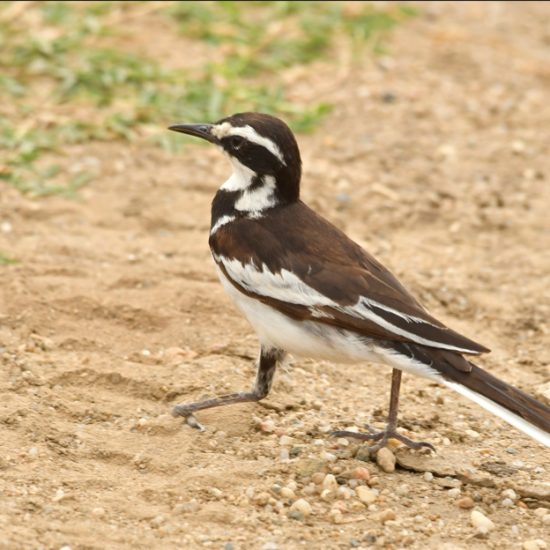
The lake hosts unique bird species mainly flamingos and migratory birds such as waders and gulls like the Lesser Black-backed Gull and others that call this place home. There is less salt mining at Lake Munyanyange than at Lake Katwe. This lake is excessively salty, although some thirsty species like buffaloes, warthogs, elephants and palearctic migrants frequently come here to quench their thirst.
Queen Elizabeth National Park is a popular tourist destination due to its numerous attractions, among which include the crater lakes in Katwe area. The park is home to major fresh water bodies such as Lake Edward, Lake George, and Kazinga Channel, which links them.
Birds and park animals live in the vegetation surrounding these bodies of water, which are home to species such as crocodiles, monitor lizards and hippos, among others.
The park has over 95 mammal species that can easily be seen during game drive safaris. Apparently, a community visit to the Lake Katwe crater areas can be merged with a game drive inside Queen Elizabeth National Park offering visitors a more close and personal experience.
The Ishasha sector of the park located in the southern part is where visitors must go in order to witness tree-climbing lions, despite the fact that the Kasenyi plains and the Mweya peninsula are both close by.
Within Queen Elizabeth National Park, the game-viewing opportunities will allow you to spot various animal species such as giant forest hogs, sitatungas. lions, buffaloes, Uganda kobs, spotted hyenas, leopards, olive baboons, monkeys, elephants, side-striped jackals, , waterbucks, bushbucks, and many other animals.
Visitors especially bird watchers visiting Lake Katwe may also participate in birding excursions inside Queen Elizabeth National Park, which is home to more than 612 different bird species.
This Katwe area is a great spot for birdwatching, however, there many other birding spots, such as Mweya, Kasenyi, Ishasha, Katunguru, and others. Birdwatching is always a supervised activity in which armed ranger guides accompany you to the greatest locations.
Queen Elizabeth National Park is a birding paradise for bird lovers, with unique bird species such as the Grey Heron, Hadada ibis, crested guinea fowl, crested francolin, blue quail, great crested grebe, mourning collared dove, Pacific golden plover, brown snake eagle, African green pigeon, little swift, African emerald cuckoo, grey crowned crane, African jacana, shoebill stork, eastern plantain eater, , water thick-knee, rock pratincole, and African fish eagle, among others.
Besides the crater lakes, Queen Elizabeth has chimpanzees as another top attraction to offer. These chimpanzees inhabit the spectacular Kyambura Gorge, which is located on the park’s western side.
Trekkers are permitted to spend an hour in proximity to a chimpanzee family that has become habituated to this environment. This guided trekking trip is only eligible to those with chimpanzee trekking permits, and they are accompanied through the forest by armed ranger guides.
What is the best time to see Lake Katwe?
Visitors who are interested in visiting crater Lake Katwe they can visit at any time of the year, but the best time is during the dry season. During the dry season the water levels are low with good dry roads connecting to the lake, same to the walkable hiking routes to the lake. However, visitors can still visit Lake Katwe during the rainy season, since the activities in the area continue throughout the year.