Visiting Semuliki National Park
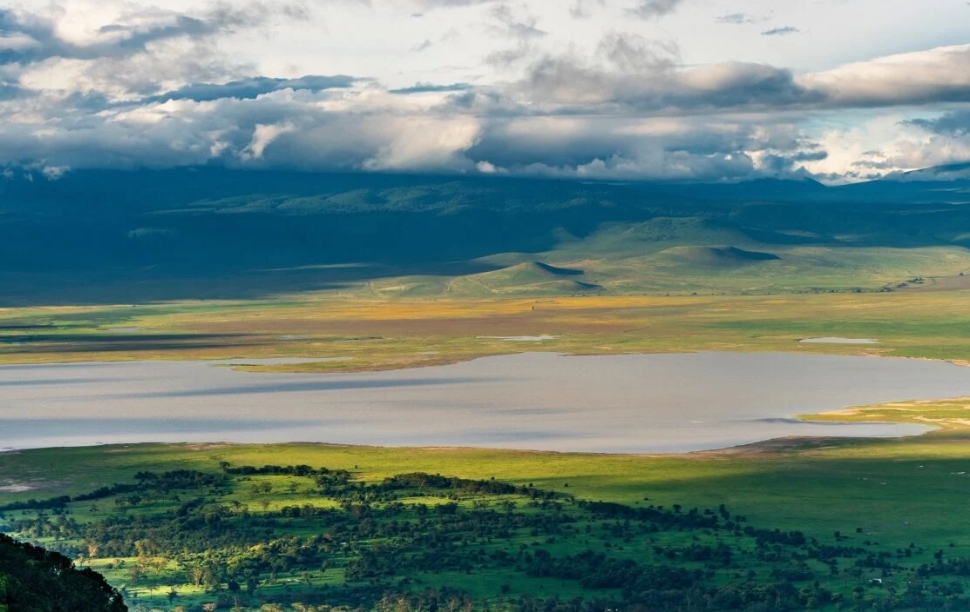
Visiting Semuliki National Park is one of the remarkable adventure experiences that offers a different perception about the pearl of Africa that most visitors miss out on this ordinary safari circuit. This is a lowland tropical rainforest area characterised by its warm and humid climate, unique wildlife, birds and exciting creatures.
The park located on the border of Uganda and the Democratic Republic of Congo in western Uganda in the Albertine Rift Valley. The park lies next to the Rwenzori Mountains, whose influence is determined by the Congo basin ecosystem. All the above makes Semuliki National Park a unique destination for both nature lovers, birdwatchers and adventure seekers.
Activities to For Travellers Visiting Semuliki National Park
Activities in Semuliki National Park include those that visitors can partake in while on or preparing for a safari there. After visiting Semuliki, visitors can engage in a variety of activities due to the park’s numerous attractions, which include animals, birds, butterflies, Batwa pygmies, and hot springs.
Bird watching
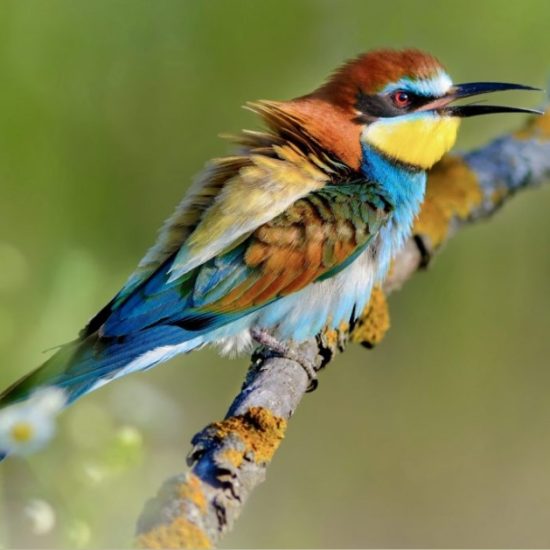
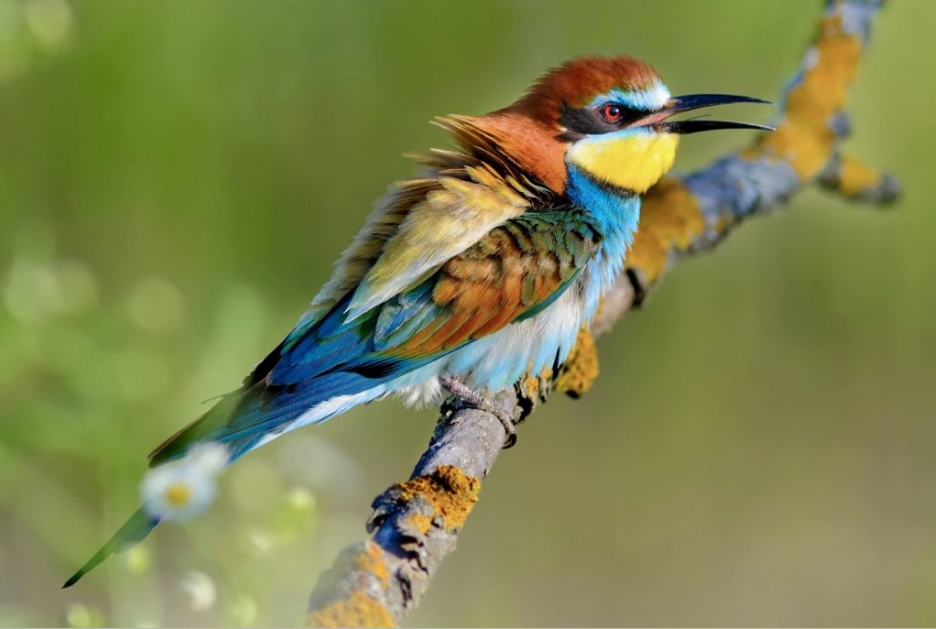
One of the best locations in Uganda for bird watching is Semuliki National Park. With more than 144 known bird species, the park is a veritable birdwatcher’s paradise. The most popular activity in this park is bird viewing, which draws thousands of visitors from around the globe. In East Africa’s only true lowland tropical forest, bird watching is a guided pastime.
The rare shoe bill stork, great blue turaco, Congo serpent eagle, forbe’s plover, icterine greenbul, piping hornbill, spot-breasted ibis, black-dwarf hornbill, fire-crested alethe, black-dwarf hornbill, white-crested hornbill, and blue-billed malimbe are just a few of the bird species that can be seen while exploring Semuiliki National Park.
White-bellied kingfisher, sassi’s olive greenbul, yellow-throated cuckoo, white-tailed hornbill, African pygmy goose, gabon woodpecker, orange-cheeked waxbill, malachite kingfisher, piping hornbill, African piculet, Haartlaub’s duck, Nkulengu rail, red-thighed sparrow hawk.
Swamp palm bulbul, lyre-tailed honeyguide, Blue-billed malimbe, dwarf honeyguide, red-billed dwarf hornbill, leaf-love, white-crested hornbill, crested malimbe, rufous-sided broadbill, grant’s bluebill, red-eyed puffback, capuchin babbler, long-tailed hawk, and ross’s turaco to mention but a few.
Great white pelican, zenker’s honeyguide, red-bellied malimbe, orange-tufted sunbird, western bronze-naped pigeon, white-throated blue swallow, crested malimbe, chestnut-bellied helmetshrike, chestnut owlet, long-tailed hawk, black-chinned quailfinch, yellow-throated nicator, purple-breasted sunbird, xavier greenbul, northern bearded scrub robin, dusky nightjar, red-thighed sparrow hawk, blue-billed malimbe, capuchin babbler, long-tailed hawk, green-tailed bristlebill, grauer’s cuckoo-shrike,.
Batwa experience
The Batwa pygmies once lived in the Ituri forest of Semuliki National Park, but they were forced to leave when the Uganda Wildlife Authority gazetted the region as a national park. They are currently making their home near the park’s boundaries, where visitors can interact with them while on cultural trips.
The Batwa are now farmers, hunters, and fruit gatherers after moving to locations beyond the park. Tourists who are interested in visiting the Batwa of Semuliki can visit the Boma Cultural Village. Visitors have the chance to see locals, engage with them, and learn about their daily lives in this town.
You will encounter traditional dancers who will amuse you with theatre and dance throughout the cultural visits. Tourists who are tourists who are tourists who are tourists who are tourists who are tourists who are tourists who are part of the tourists. You learn from hearing their tales that the Batwa are still hunters and gatherers who come to Semuliki National Park in search of food, medicine, and fruits.
Viewing the shoebill
One of the places in Uganda where visitors can witness the shoebill is Semuliki National Park. This park has a very high probability of sighting the shoebill, which has drawn many birds interested in seeing this kind of bird. The shoebill of Semuliki National Park is spotted during a boat excursion organised on Lake Albert.
Birdwatchers who are eager to spot the shoebill during a safari in Semuliki National Park can take a boat ride on Ntoroko. Birdwatchers can witness the shoebill storks on the lake’s marshes during a two to three-hour boat ride on Lake Albert with local guides. Other bird species found during the hunt include the malachite kingfisher, swamp palm bulbul, and white-bellied kingfisher, to name a few.
Birdwatchers who want to spot the shoe bill during a safari in Semuliki National Park can take a boat ride on Ntoroko. Birdwatchers can witness the shoebill storks on the lake’s marshes during a two to three-hour boat ride on Lake Albert with local guides. Other bird species found during the hunt include the malachite kingfisher, swamp palm bulbul, and white-bellied kingfisher, to name a few.
Nature walks
One of the greatest ways to visit Semuliki National Park is through guided nature hikes. There are opportunities for tourists to see the park tourists to see the park park tourists. With an armed ranger guide, travellers will be able to witness diverse animals, birds, water sources, vegetation, and much more.
During the nature walks at Semuliki National Park, travellers see species such as chimpanzees, leopards, crocodiles, warthogs, side-stripped jackals, sitatungas, Uganda kobs, hippos, cape buffaloes, elephants, olive baboons, and monkeys to mention just a few. The park will be able to observe the park.
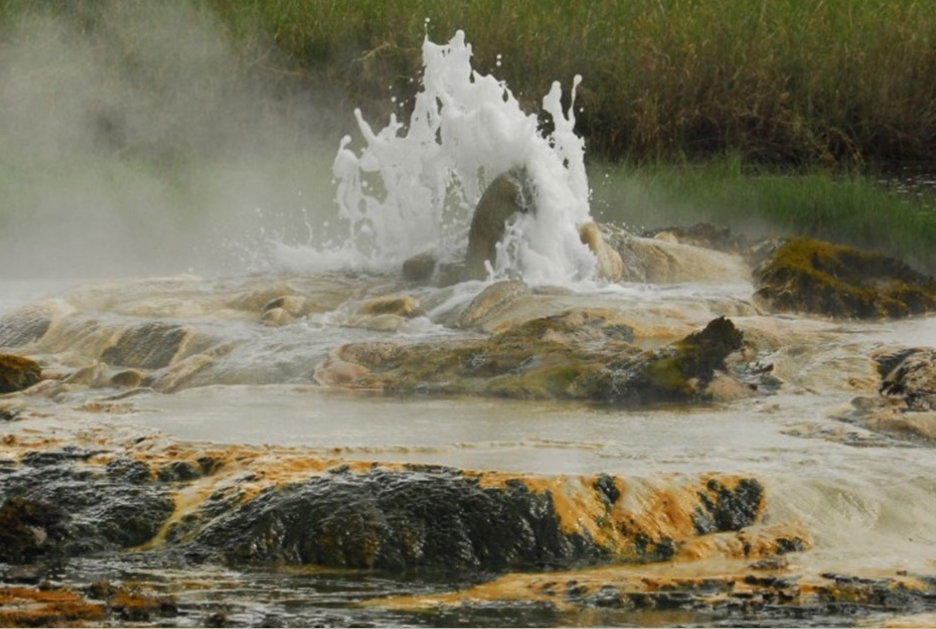
Semuliki National Park has the most popular hot springs in Uganda and these are seen during nature walks. There are two hot springs male and female right inside the park which tourists can visit. With an armed ranger guide tourists are able to visit these hot springs and get to know how they were formed. The water is too hot which allows tourists to boil foods like eggs.
Butterfly watching
More than 300 butterfly species have sought refugee in Semuliki National Park making Uganda’s leading butterfly destination. Butterfly watching is one of the activities travellers can engage in while on a safari to this park. The armed ranger guides who have some knowledge about the butterflies will move around tourists in search of different species.
During Semuliki butterfly watching, tourists will be having chances of seeing species such as Common mother of pearl, zebra pyrale, simple orange forester, spiny bollworm violet banded palla, chirinda bush brown, common blue banded forester, variegated pearl, amata marina, polyptychus carteri, euphaedra edwardsii, cymothoe ochreata, mung bean moth, rhipidarctia crameri, nemetes sailer, coffee berry moth.
Bicyclus, andriasa contraria, euphaedra alacris, plain vagrant, cucumber moth, choroclanis virescens, biston abruptaria, sarothroceras banaka, tailed bush brown, belenois solilucis, common glider, savanna pathfinder, bicyclus alboplagus.
Euriphene saphirina, euphaedra hybrida, catuna crithea, mulberry hawkmoth, neuroxena ansorgei, bicyclus mollitia, angular glider, common nephele, dark yellow forest sylph, gregori’s brown pansy, square winged red charaxes, common palm forester, common pathfinder, rhodope dotted border to mention but a few.