The Beauty of Semuliki Valley
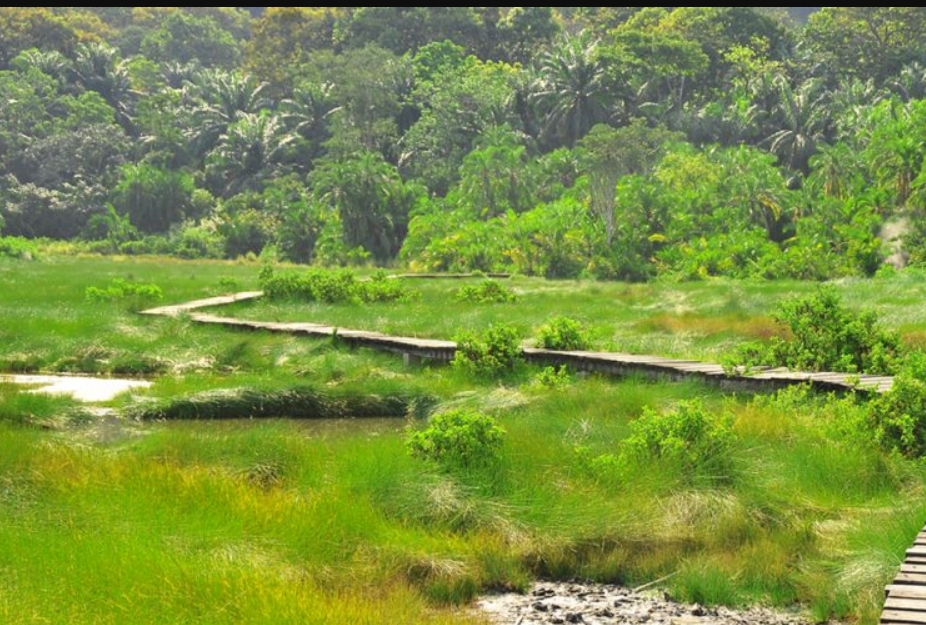
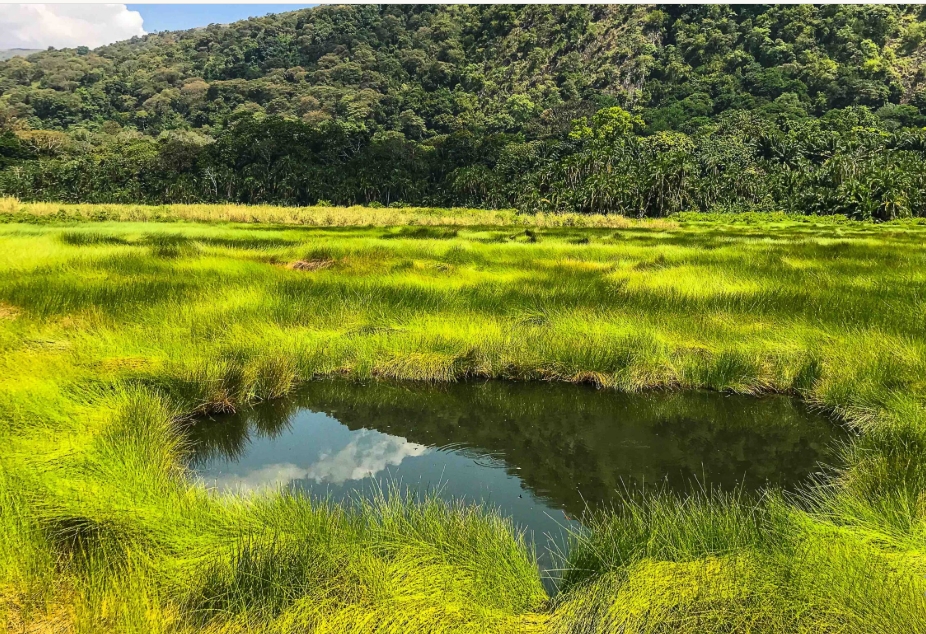
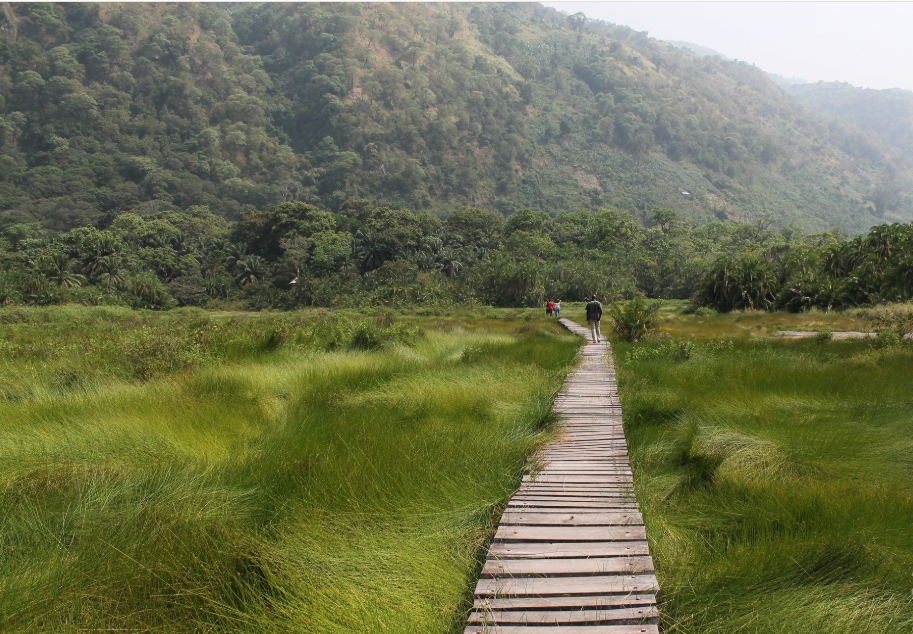
The Beauty of Semuliki Valley: The Semuliki Valley is quite different from what most visitors expect to find when they hear “valley.” Some may expect to find steep sides with the river in the middle, but instead this Semuliki valley is indeed flat where the air gets heavy and hot.
Located within Semuliki National Park, Semuliki Valley is a portion of the Albertine Rift Valley floor, encircled by lowland tropical rainforest. Semuliki Valley is located on Uganda’s border with the Democratic Republic of the Congo in the Bundibugyo district, south of Lake Albert. Semuliki Valley is well situated north of the snow-capped Rwenzori mountains and south of Lake Albert.
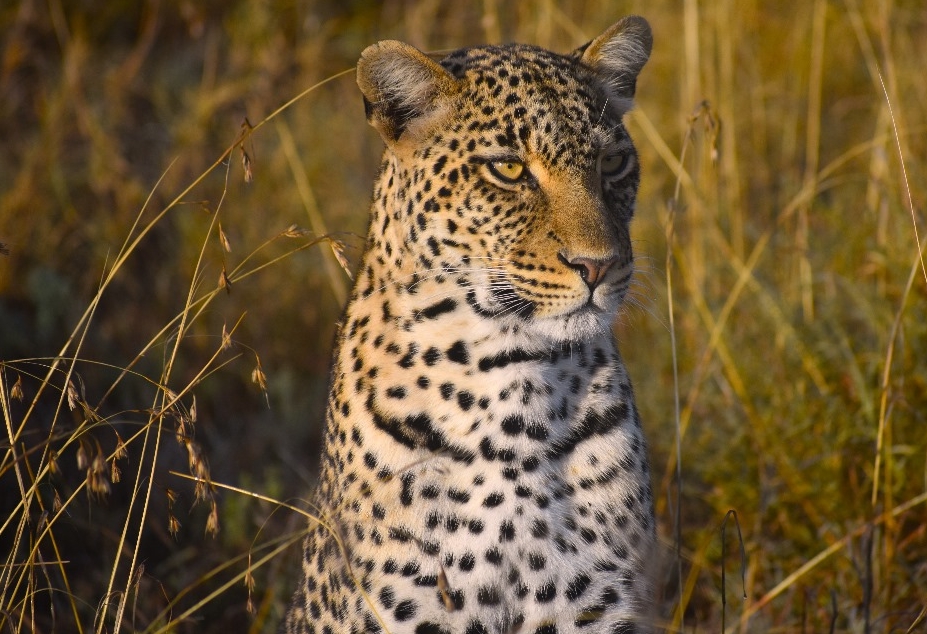
Mammals, monkeys, butterflies, birds, hot springs, and greenery are just a few of the features of Semuliki National Park that may be found in Semuliki Valley. By participating in the various events held in the park, visitors may always discover Semuliki Valley. Here are a few things visitors can do to learn more about Semuliki Valley.
Activities to Do in Semuliki Valley
Birding
Birdwatchers can witness some of the bird species that have been identified in Semuliki National Park while at Semuliki Valley. It is estimated that Semuliki National Park is home to around 435 different bird species, the majority of which are visible during bird-watching events. Because there are so many Albertine endemics at Semuliki National Park, bird viewing is the most popular pastime activity there.
Birdwatchers will have a chance to see a variety of bird species in Semuliki National Park, including the bronze-naped pigeon, the rufous side broadbill, the African wood owl, the chocolate-backed kingfisher, the yellow-throated cuckoo, the blue-headed coucal, the common sandpiper, the Cameron pigeon, the black-billed barbet, the three-banded plover, the red-rumped tinkerbird, the African dwarf kingfisher, the white-crested hornbill, Klaas’s cuckoo, the grey-crowned crane, the black-winged stilt, the blue-throated roller, the least honeyguide, the yellow-throated tinkerbird, the African pied hornbill, and the shining blue kingfisher.
Other common bird species to see include the grey-headed kingfisher, mountain buzzard, little bee-eater, African palm swift, African grey parrot, long-crested eagle, red-tailed greenbul, blue-cheeked bee-eater, spur-winged lapwing, white-spotted flufftail, cattle egret, black-cased hornbill, blue-spotted wood dove, Wahlberg’s eagle, rufous flycatcher thrush, green-white-eyed, western nicator, ayres’s hawk-eagle, yellow-billed stork, purple-headed starling, African pygmy kingfisher, red-tailed bristlebill, white-thighed hornbill, white-throated blue swallow, African harrier hawk, lizard buzzard, olive-bellied sunbird, African woolly-necked stork, speckled woodpecker, among others.
Butterfly Watching
It is estimated that Semuliki National Park is home to more than 448 different kinds of butterflies. More than half of the listed species of butterflies can be seen here by tourists who are interested in participating in butterfly viewing activities. Armed ranger guides lead the activity; they are familiar with most parts of the park and are able to keep visitors safe from dangerous creatures.
When visiting Semuliki National Park, visitors can witness species like common palm forester, Euphaedra hollandi, common blue banded forester, savanna pathfinder, mulberry hawkmoth, euphaedra hybrida, plain vagrant, euphaedra eberti, spiny bollworm, catuna crithea, common pathfinder, haritalodes polycymalis, orange streak Acraea, and euphaedra edwardsii.
Cadarena pudoraria, rhodope dotted border, Bethune baker’s bush brown, aletis helcita, bicyclus alboplagus, nemetes sailer, sarothroceras banaka, gregori’s brown pansy, common nephele, common mother of pearl, amata marina, coffee berry moth, variable diadem, violet banded palla, square winged red charaxes, hill bush brown, euriphene saphirina, cucumber moth, simple orange forester, rhipidarctia crameri, fulvous hawk, and mung bean moth, African leaf butterfly, among others.
Visiting the Hot Springs
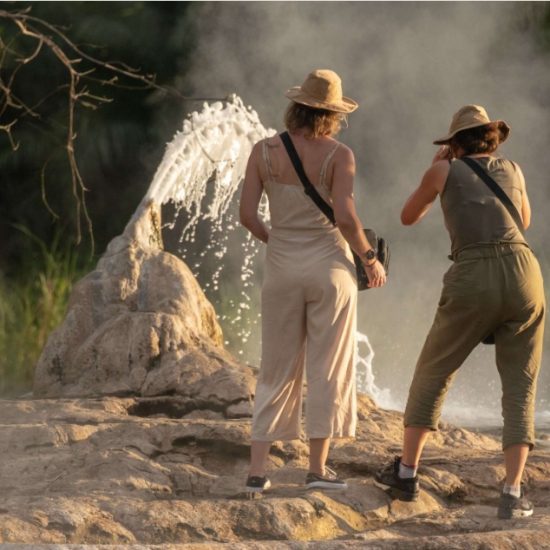
One of the rare locations in Uganda where visitors can locate hot springs is Semuliki National Park. This national park is fortunate to have two hot springs within the park, known as male and female hot springs. Although tourists can still visit the male hot spring, the female hot spring is the most popular due to its extremely hot water, which can boil basic items.
The first part of a trip to the hot springs is a nature walk guided by armed ranger escorts who explain visitors the proper routes to the hot springs and guard them from hazardous elements in the park. During a tour of the hot springs, visitors learn about the various aspects of their scientific formation as well as the opinions of the inhabitants.
Nature Walks
Semuliki Valley nature trails will show visitors the park’s many hidden gems. Armed ranger guides who are familiar with the park’s many locations lead nature walks on foot. Trails used for nature walks are selected based on what visitors like to see. Mammals, primates, butterflies, hot springs, rivers, and plants can all be seen on nature walks in Semuliki Valley.
What is the Best Time to Visit the Park
Semuliki Valley is open to tourists throughout the year, though some months are better than others. The greatest times to visit Semuliki Valley are during the dry season, which runs from June to September and December to February. During these months, there is little to no rainfall and lots of sunshine. Because of the favorable weather, the scheduled activities are carried out during the dry season. There are walking trails, accessible roads going to the park, and short, sporadic vegetation with good views of wildlife.
Semuliki National Park is accessible to tourists during the wet or low seasons, particularly those who are birdwatchers and on a tight budget. This occurs throughout the months of March through May and October through November, when there is little sunshine and a lot of rain. Birdwatchers benefit from the park’s migratory birds during the rainy season. However, visitors should be aware that the rainfall causes the walking routes to become muddy and slick and that the undergrowth is too high to provide clear views of some wildlife.
How to Get to Semuliki Valley
The Semuliki Valley in western Uganda is accessible to tourists by air or by car. It takes just one day to travel to the valley, which is located inside Semuliki National Park. Travellers can drive from Kampala/Entebbe to Mityana, Mubende, Kyenjojo, Fort Portal, and Bundibugyo to reach the region. Travellers can fly from Entebbe International Airport or Kajjansi Airstrip, with Kasese being the closest airport. Travellers must travel several hours by car from Kasese to Fort Portal and Bundibugyo.