Mammals to See in Semuliki National Park
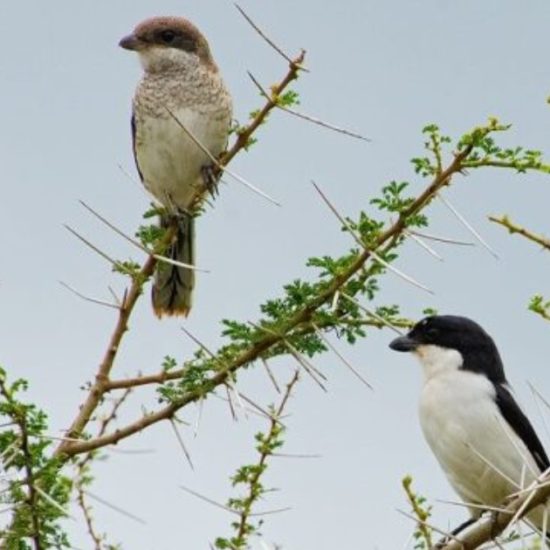
Mammals to See in Semuliki National Park: Being the only lowland tropical rainforest in the entire East Africa, Semuliki makes it one of the most visited national parks in western Uganda. Regardless of its small size that covers over 220 sq. km, this park is home to diverse wildlife species, including 53 mammals, 9 primates, 435 bird species, and 448 butterflies, among others.
Semuliki National Park is endowed with a wide range of various mammals that range from big game mammals such as the forest elephants down to tiny bats. This article will give you an insight into various park mammals that have been observed.
Mammals in this lowland tropical rainforest have established a peaceful existence with a fruitful food supply, shelter, and water. Because of this, this forced the government to establish Semuliki National Park in 1993 to protect its ecosystem.
Mammals to See in Semuliki National Park
Research shows that over 53 mammals have been recorded in Semuliki National Park, with hope to record more. These mammals reside in the peaceful lowland tropical rainforest on the western arm of the East African Rift Valley.
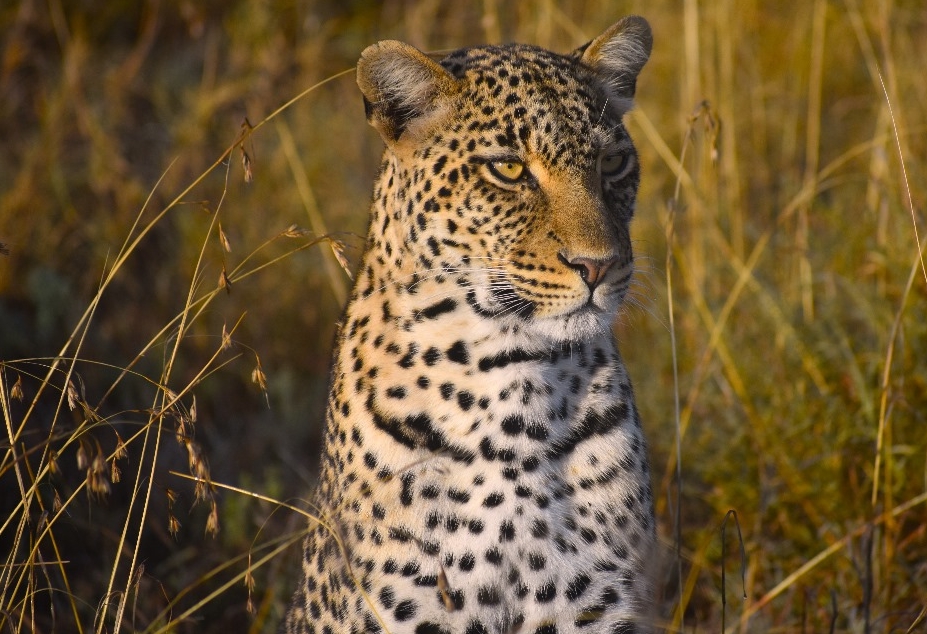
Mammals to see include forest buffaloes, forest elephants, warthogs, leopards, Uganda Kobs, sitatungas, hippos, forest giant squirrels, jackals, crocodiles, and others.
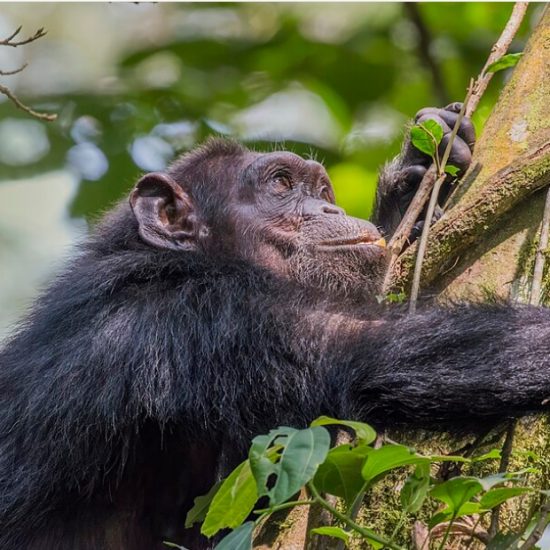
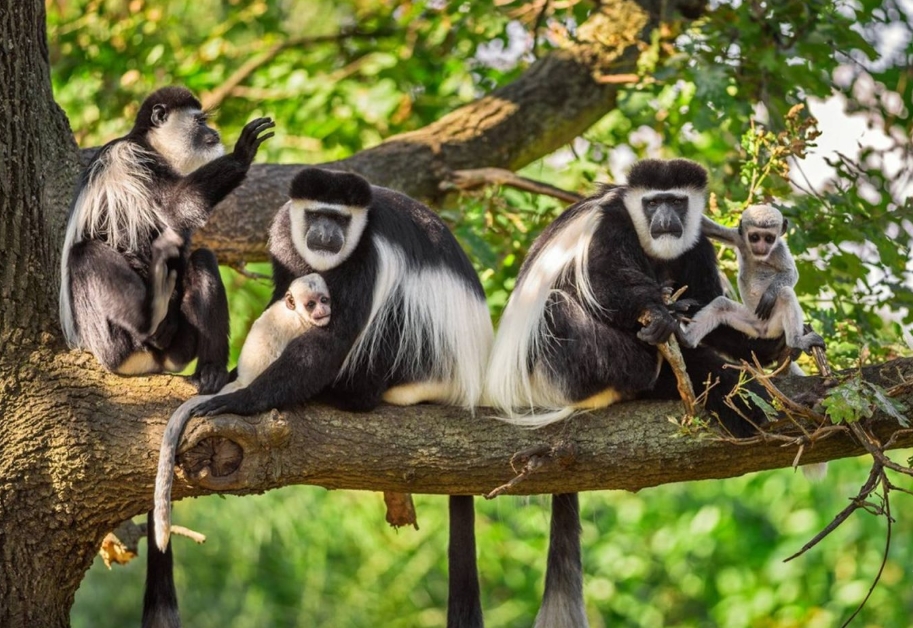
The park is also a safe haven for several primates, with over 9 primate species that have so far been recorded within Semuliki. Primates to see include de-brazza’s monkeys, red colobus monkeys, mangabeys, blue monkeys, olive baboons, black and white colobus monkeys, and vervet, among others.
The park is home to numerous bats, among which are the straw-colored fruit bats, yellow-winged bats, Mauritian tom bats, Cyclops roundleaf bats, and little collard fruit bats, among others.
All these mammals are within this gazetted lowland protected Semuliki National Park, and therefore travellers have an opportunity of seeing most of them if they spend some ample time within the park searching.
What is the Best Way to See Mammals in Semuliki National Park?
Since there are no game drives within Semuliki National Park, the best option to see mammals in the park is participating in nature walks. Therefore, nature activities offer the best way for visitors to see mammals in the park.
These guided nature walks are accompanied by skilled ranger guides that take visitors around the forest in a bid to protect you from the dangerous animals.
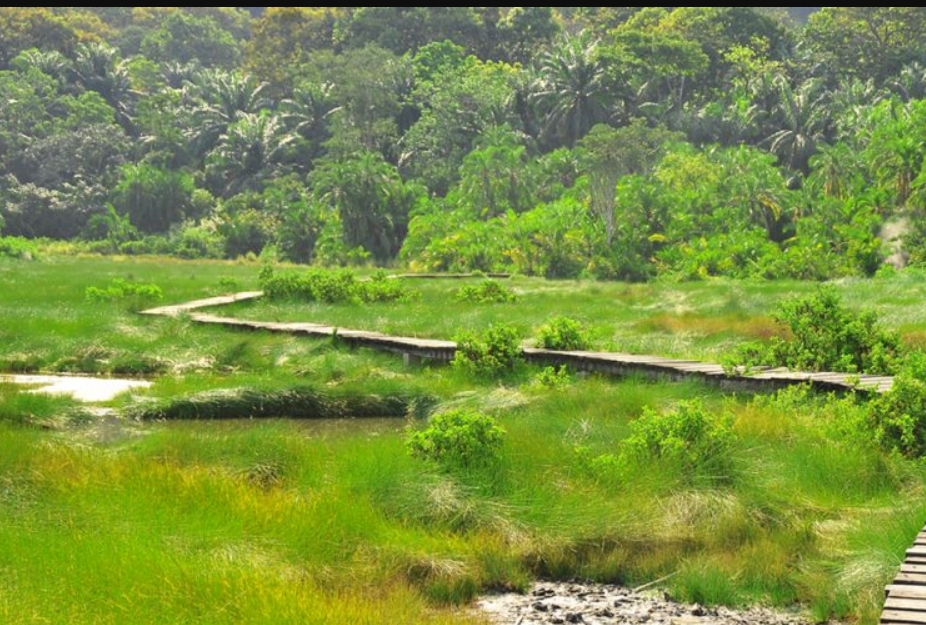
The nature walks in Semuliki are conducted using various forest trails, for example, the Batwa cultural trail, red-tailed monkey trail, Nyabsurogo gorge hike trail, Kirumia trail, Sempaya nature trail, and others. Using various walking trails while in Semuliki National Park will increase the chances of seeing various wild animals that reside in the park.
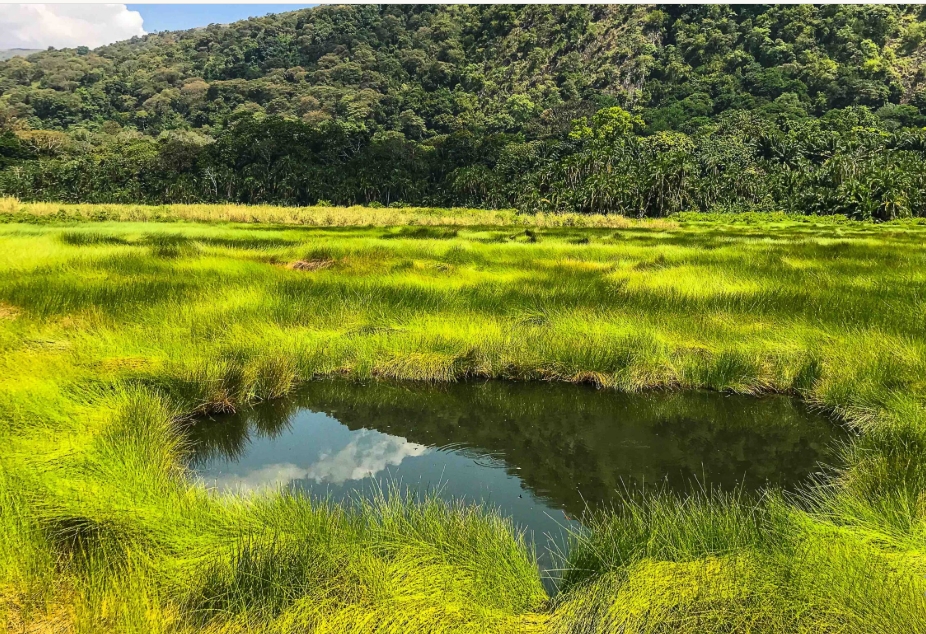
The nature walks in Semuliki National Park do not have a specific duration but instead depend on the length of the nature trails. These nature trails immerse visitors into the world of adventure to see several attractions, including bird species, animals, water sources, vegetation, landscape, and others.
Based on this, we therefore advise tourists to visit Semuliki National Park to take part in nature activities such as nature walks so as to boost your chances of spotting various wildlife species that have been recorded in the park.
When is the most appropriate time to see the mammals of Semuliki National Park?
Travellers should know that the park is always open for tourism activities all year round; however, some months seem to be better than others. The dry season months, which run from June to September and December to February, are considered the best times to visit Semuliki National Park.
This is because these months are dry with too much sunshine and also do receive little to no rainfall, making them convenient for safaris. Moreover, in the dry season, the vegetation cover is always short with clear views of wildlife, and the nature walk trails are always dry and passable.
Visitors, especially budget travelers, can also visit the park during the rainy season of March to May and October to November. During this period there are fewer crowds, which makes safaris more affordable due to the discounted activities and lodges within the park.
Moreover, these lodges lower their prices to attract the few tourists within the country, and the tour operators reduce package prices. Additionally, visitors should know that the rainy season receives too much rainfall, which makes the vegetation tall and thick; the nature walk trails also get muddy and slippery. However, the thick vegetation cover may sometimes obscure visibility of wildlife, including mammals.