Shoebill Photography Safaris in Uganda
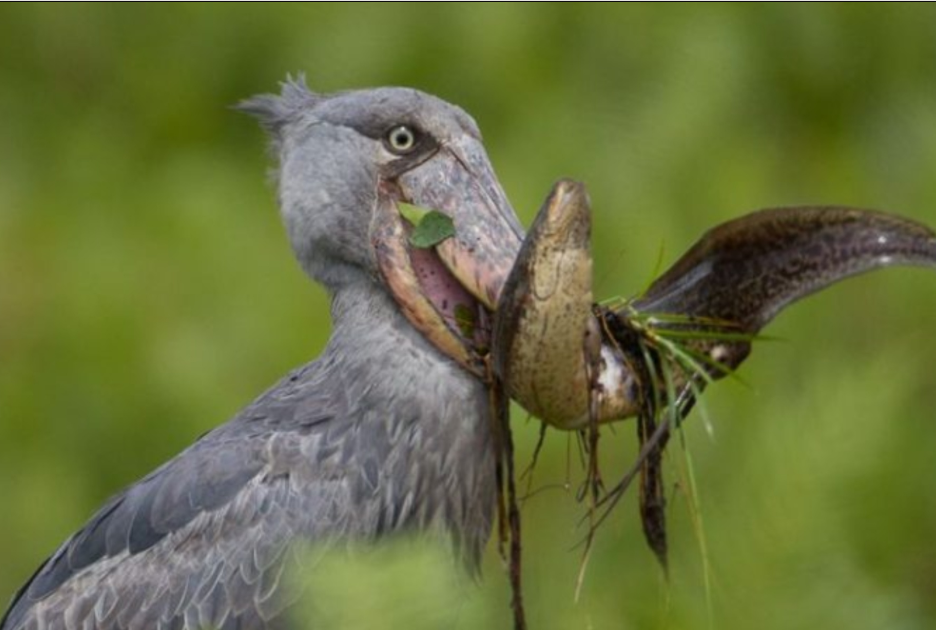
Shoebill Photography Safaris in Uganda: Uganda is one of the top birding destinations in Africa, with over 1081 birds, making it stand out in attracting quite a big number of birdwatchers in the country for birding and photography safaris. Some of the sought-after bird species that attract bird lovers and photographers include the Shoebill, Brown-chested Plover, Green-breasted Pitta, Black Bee-eater, Rwenzori Turaco, and many others.
Shoebill photography safaris in Uganda are carried out in different parts of the country, but the ideal site for this experience is Mabamba Wetland, located along the shores of Lake Victoria, the third largest and second largest freshwater lake in the world.
Other places to conduct shoebill photography safaris in Uganda include Murchison Falls National Park, Ziwa Rhino Sanctuary, Toro Semliki Wildlife Reserve, the Ishasha sector in Queen Elizabeth National Park, Lake Mburo National Park, and others.
Top Shoebill Photography Sites in Uganda
Mabamba Wetland
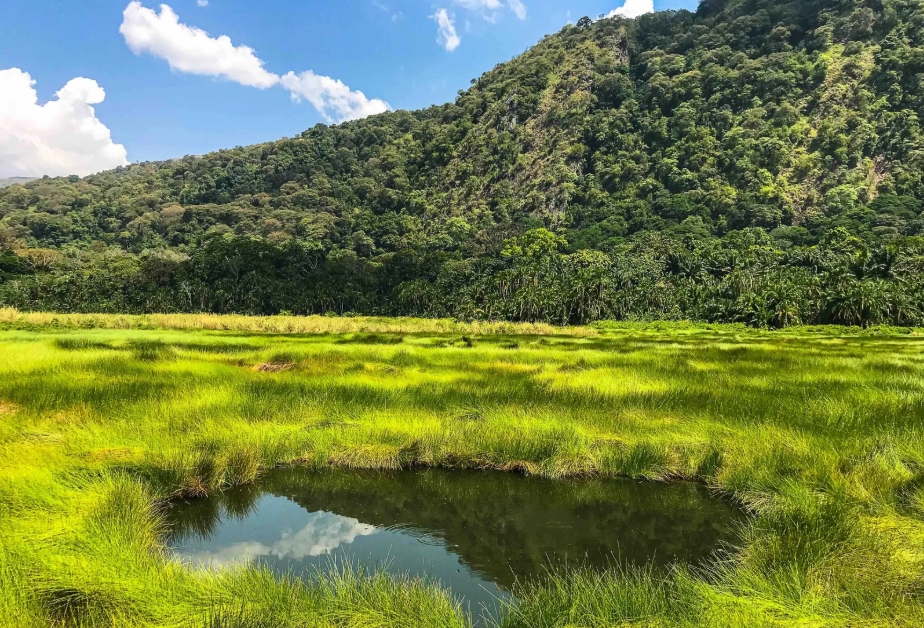
Mabamba wetland emerges as the best and most vast birding swamp for shoebill photography safaris in Uganda. This is attributed to the wetland’s conducive environment, whose ecosystem supports the breeding of this elusive bird.
The wetland has floating vegetation where the breeding pair construct their nests; the wetland also supports aquatic food, such as fish, particularly lungfish, and worms, which are the favorite food for shoebills.
The swamp is located in Kasanje village, close to Entebbe town, about 40 km from Kampala city. The swamp was chosen as a Ramsar Site and wetland of international importance because of its unique and rare bird species.
The Shoebill Photography Safaris offer birdwatchers and nature lovers a rewarding opportunity to encounter this globally threatened shoebill across the vast Mabamba Wetland.
This activity is the most reliable activity for photographers of all skill levels and takes you to explore more than 100 sq km of Mabamba wetlands, Uganda’s convenient and dependable birding hotspot, to see the highly sought-after Shoebill in its natural environment.
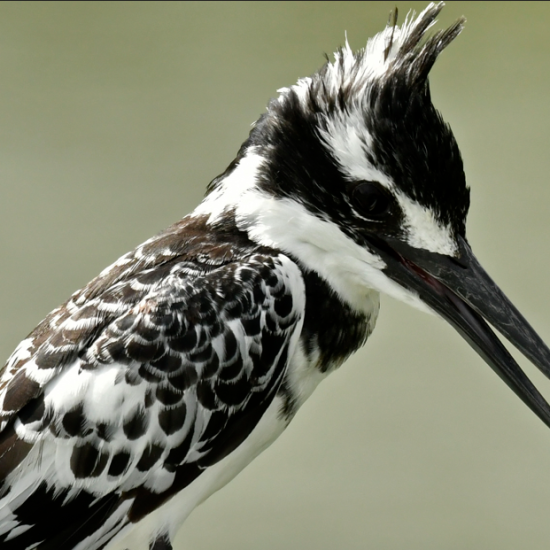
Besides the elusive Shoebill, other birds to see during your shoebill photography safaris include Spur-winged White-winged Warblers, Papyrus Canaries, Blue Swallows, White-winged Warblers, Papyrus Yellow Warblers, Pygmy Geese, Carruthers’s Cisticolas, Pallid Harriers, Goliath Herons, White-winged Black Terns, Grey-headed Gulls, Papyrus Gonoleks, Blue Swallows, Northern Brown-throated Weavers, Papyrus Gonoleks, and others.
Toro-Semliki Wildlife Reserve.
Another famous location for shoebill photography safaris in Uganda is the Toro-Semliki Wildlife Reserve, which is close to Semuliki National Park. Taking a boat cruise on Lake Albert is the ideal alternative for birdwatchers and photographers to witness the shoebill stork in Toro-Semliki Wildlife Reserve.
Along the banks are a variety of birds, including shoebills. Numerous bird species, such as the moustached grass-warbler, standard-winged nightjar, Abyssinian ground hornbill, Pennant-winged nightjar, red-necked falcon, African pygmy goose, blue-breasted bee-eater, broad-billed roller, double-toothed barbet, black-billed barbet, and green woodhoopoe, can be found in the Toro-Semliki Reserve.
Ziwa Rhino Sanctuary
This is also another shoebill photography site that is around 125 km from Murchison Falls National Park. Despite being a famous destination for spotting the white rhinos in their natural setting, it is also famous for the iconic shoebill photography sighting during birding safaris.
Visitors must take a boat to the Lugogo marsh in order to witness this elusive shoebill stork at the sanctuary. In addition to the shoebill stork, many other bird species are visible to visitors, such as the African paradise flycatcher, grey-backed fiscal shrike, barred warbler, blue-naped mousebird, blue-breasted kingfisher, emerald-spotted wood dove, black-winged bishop, and many more.
Queen Elizabeth National Park’s Ishasha Sector.
The best place in Uganda for shoebill photography safaris is the Ishasha region of Queen Elizabeth National Park. The park is home to over 605 bird species, but during shoebill photography safaris, birdwatchers can spot this rare bird in the Ishasha sector in its natural environment.
Besides the shoebill photography safaris, this sector is home to the famous tree-climbing lions, several antelopes, and birds such as the white-browed cuckoo, martial eagle, African emerald cuckoo, white-faced whistling duck, blue-headed bee-eater, and others.
Lake Mburo National Park.
Shoebill photography safaris can also be conducted in Lake Mburo National Park, especially in the vast wetlands during birding tours. Some of these wetlands include Miriti Swamp, Warukiri Swamp, and Mazinga Swamp, among others.
Other birds to see include Goliath Herons, African Grey Hornbills, African Fish Eagles, Black-winged Bishops, Blue Kingfishers, Grey Woodpeckers, Yellow-throated Longclaws, Pink-backed Pelicans, Rufous-chested Swallows, and others.