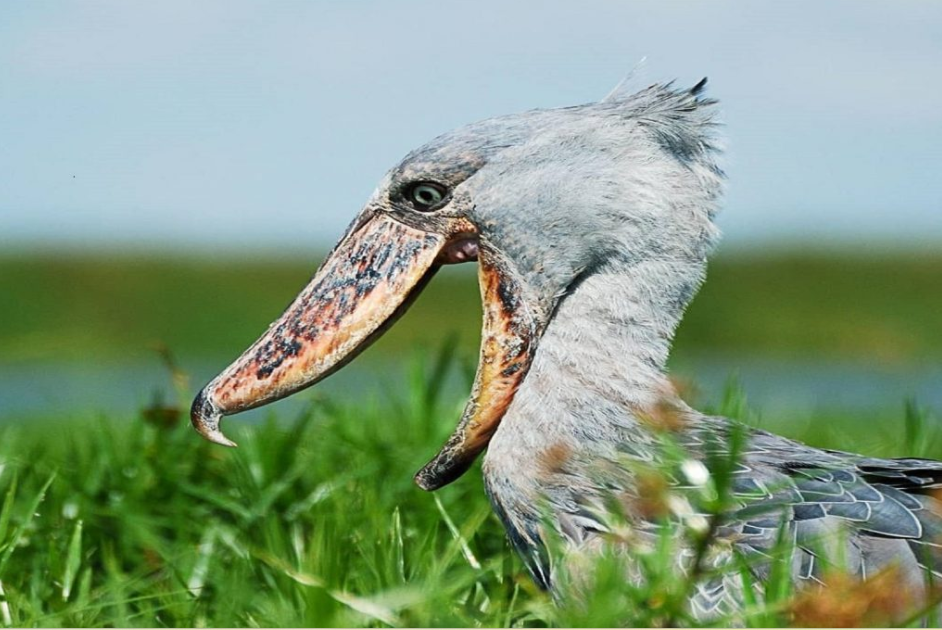
Where Can I See the Threatened Shoebill in Uganda
Where Can I See the Threatened Shoebill in Uganda is the most asked question by travellers planning their birding safaris in the country. Uganda, the pearl of Africa, is one of the top destinations in Africa that guarantees visitors, especially birdwatchers, a 90% sighting of the shoebill species. This globally threatened shoebill species stands out as one of the unique species that are desired and attract nature lovers, researchers, and ornithologists during the birding safaris in Uganda. Being gifted with nature, Uganda is also a birding paradise with over 1081 bird species, contributing to over 50% of Africa’s total population.
The shoebill stork is one of the rare species of birds in Uganda that one can’t miss on their bucket list during any Ugandan birding safari. Other unique bird species to see on a Ugandan birding safari include the Red-fronted Antpecker, Grauer’s Broadbill, Nahans Francolin, Karamoja Apalis, Rwenzori Turaco, Great Blue Turaco, Papyrus Gonolek, Neumann’s Warbler, Black Bee Eater, Brown Chested Plover, among others.
Since many visitors, especially bird lovers, are interested in seeing this shoebill species, this globally threatened shoebill can be spotted on birding safaris in Uganda in various destinations across the country.
Where Can I See the Threatened Shoebill in Uganda
Mabamba Wetland
Additionally, the shoebill stork can be seen at Entebbe’s Mabamba Swamp near Lake Victoria. In addition to more than 300 other bird species, Mabamba Swamp is known to host a sizable population of shoe bill storks. Shoebill storks can be seen hunting in the dense marshlands of Mabamba Swamp by birdwatchers on a Ugandan birding tour.
Early in the morning, when they parade through the swamp near Lake Victoria in quest of food, is the greatest time to see these shoebills. However, as long as you visit Mabamba Wetland, you will have the chance to observe them at any time of day.
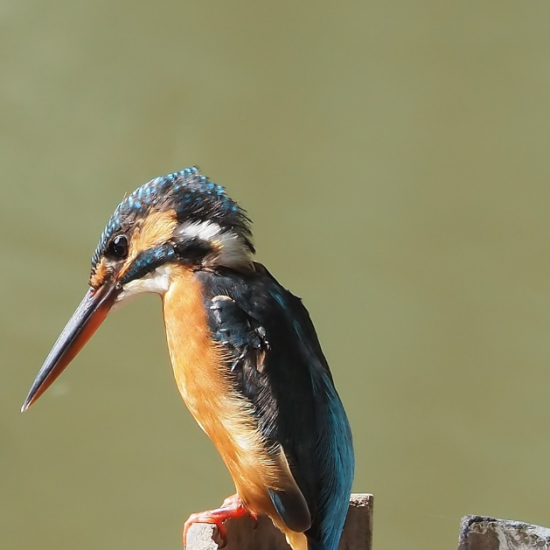
Besides the Shoebill Stork, other birds to see in the Mabamba wetland include the Blue-headed Coucal, Malachite Kingfisher, Yellow-backed Weaver, Whiskered Terns, Northern Brown-throated Weaver, Gull-billed Terns, Blue Swallow, White-winged Warbler, Papyrus Yellow Warbler, White-winged Black Terns, and others.
These include Grey-headed Gulls, Papyrus Gonolek, Pallid Harriers, Goliath Herons, Blue Swallows, Northern Brown-throated Weavers, Papyrus Gonolek, Pygmy Geese, Carruthers’s Cisticola, Spur-winged White-winged Warblers, Papyrus Canaries, and others.
Murchison Falls National Park.
Another excellent location for tourists to witness the Shoebill stork while on a birding safari in Uganda is Murchison Falls National Park. The national park is situated in the districts of Masindi, Packwach, Nwoya, Kiryandongo, and Buliisa in northern Uganda. The black-billed barbet, Goliath heron, swamp flycatcher, Malachite kingfisher, fish eagles, kingfishers, bee eaters, Abyssinian ground hornbill, Blue-headed Caca, Speckle-fronted weaver, Grey crowned crane, silver bird, Palm-nut vulture, and White-browed sparrow-weaver are among the other bird species that are frequently seen in the park.
The Ishasha Sector in Queen Elizabeth National Park.
The Ishasha area of Queen Elizabeth National Park is the ideal location for birding safaris in Uganda. There are over 600 bird species in the national park. The shoebill stork can be seen in its natural habitat at Queen Elizabeth National Park, which is situated in the Kasese district.
The Ishasha area of Queen Elizabeth National Park is well-known for its tree-climbing lions as well as its abundance of wildlife, including topi, impala, antelopes, and many more. Other bird species that can be seen at Queen Elizabeth National Park’s Ishasha sector include the white-browed cuckoo, black-billed barbet, red-necked falcon, yellow-fronted tinkerbird, African skimmer, Abyssinian ground hornbill, and others.
Lake Mburo National Park.
Where Can I See the Threatened Shoebill in Uganda: The shoebill stork can also be seen in Lake Mburo National Park during a birding tour in Uganda. The national park is located in the Kiruhura district, in the southwestern region of Uganda. Blue Kingfishers, Yellow-throated Longclaws, African Grey Hornbills, African Fish Eagles, Black-winged Bishops, Grey Woodpeckers, Goliath Herons, Rufous-chested Swallows, and Pink-backed Pelicans are among the other birds that can be seen in Lake Mburo alongside shoebills.
Toro-Semliki Wildlife Reserve.
The Toro-Semliki Wildlife Reserve near Semuliki National Park in Uganda is also a popular place for travelers to watch the shoebill stork during a birding expedition in the country. Taking a boat tour on Albert is the greatest option for birdwatchers to see the shoebill stork in Toro-Semliki Wildlife Reserve.
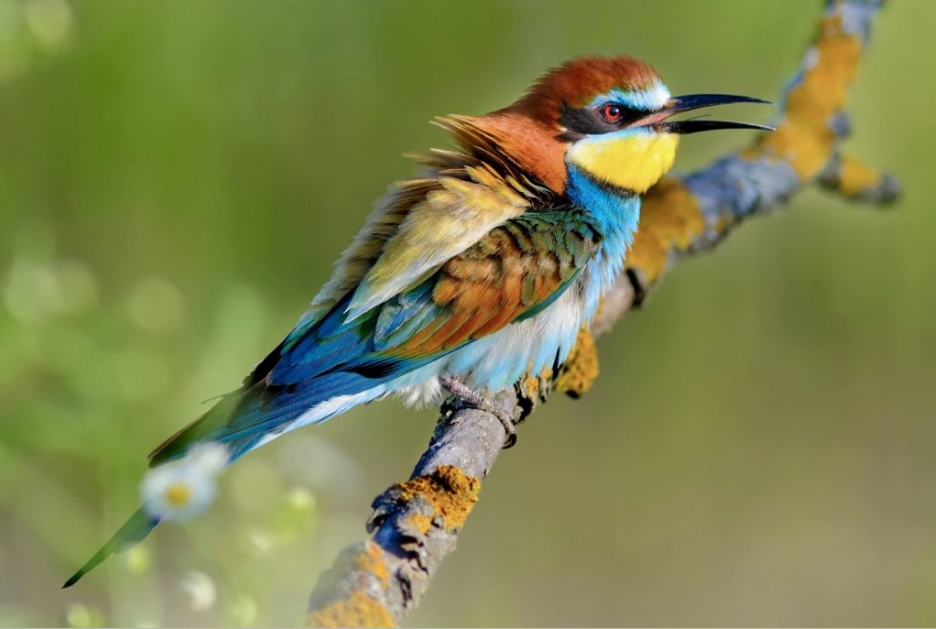
There are plenty of them along the banks. The Toro-Semliki Reserve is home to many bird species, including the Abyssinian ground hornbill, Pennant-winged nightjar, African pygmy goose, green woodhoopoe, blue-breasted bee-eater, broad-billed roller, double-toothed barbet, moustached grass-warbler, standard-winged nightjar, black-billed barbet, and red-necked falcon.
Ziwa Rhino Sanctuary
The Ziwa Rhino Sanctuary, which is roughly 125 km from Murchison Falls National Park, is also the finest place to watch Shoebill storks. The sanctuary is well-known for being the only place in Uganda where visitors can witness rhinos in their natural habitat.
To see the rare shoebill stork at the refuge, visitors must travel by boat to the Lugogo marsh. Visitors can see a variety of bird species in addition to the shoebill stork, including the curlew sandpiper, African paradise flycatcher, black-winged bishop, barred warbler, blue-naped mousebird, blue-breasted kingfisher, grey-backed fiscal shrike, emerald-spotted wood dove, and many more.
Bigodi Wetland Sanctuary.
The Bigodi wetland reserve, which is situated just outside of Kibale National Park, is another easy place to spot shoebill storks. About 138 bird species, including the Grand Blue Turaco, Yellow-spotted Barbet, Hairy-breasted Barbet, White-spotted Flufftail, Western Nicator, and others, are found there.
Others, including the Grey-winged Robin Chat and Black-crowned Waxbill, are found in the Bigodi marsh. Sitatunga, mongoose, bush pigs, otters, bushbucks, black and white colobus monkeys, blue monkeys, L’Hoest monkeys, red colobus monkeys, and more can be seen by birdwatchers in Bigodi.
Contact Caracal Explorers for details about unique birding safaris in Uganda.