The Shoebill Stork’s Sanctuary, Mabamba Wetland
The Shoebill Stork in Mabamba Wetland: Many nature lovers and avid birders would love to know what makes Mabamba Wetland special. This is so because it hosts over 300 species of birds, in the vast, marshy and papyrus reed wetland, Mabamba is a haven for the globally threatened Shoebill species, a sought-after bird species that draws visitors especially ornithologists, birdwatchers, nature lovers and others to come and witness this unique bird that is rarely seen any where else and several Lake Victoria biome bird species. This iconic Shoebill is the top attraction of Uganda’s incredible birdwatching wetland.
This unique bird species gets its name from its massive shoe-shaped bill. It is often regarded as a hideous dinosaur-like creature, possibly originating from the Mesozoic Era, and is often considered a fierce and intriguing bird species. Shoebills are a popular attraction for nature enthusiasts and birdwatchers, attracting hundreds of enthusiastic birders to Uganda to observe these magnificent, large birds.
Uganda’s Lake Victoria shoreline, where Mabamba Wetland is located, is a top birdwatching destination, attracting tourists worldwide due to its unique ecological ecosystem. It attracts species such as the Shoebill, Blue Swallow, and Papyrus Gonolek, as well as several other species, making it a leading destination in Africa renowned for Shoebill tracking.
Mabamba Wetland, a unique and visually appealing bird sanctuary, hosts a diverse array of water-dwelling species, including the iconic Shoebill and rare species like the Blue Swallow and Blue-cheeked Bee-eater.
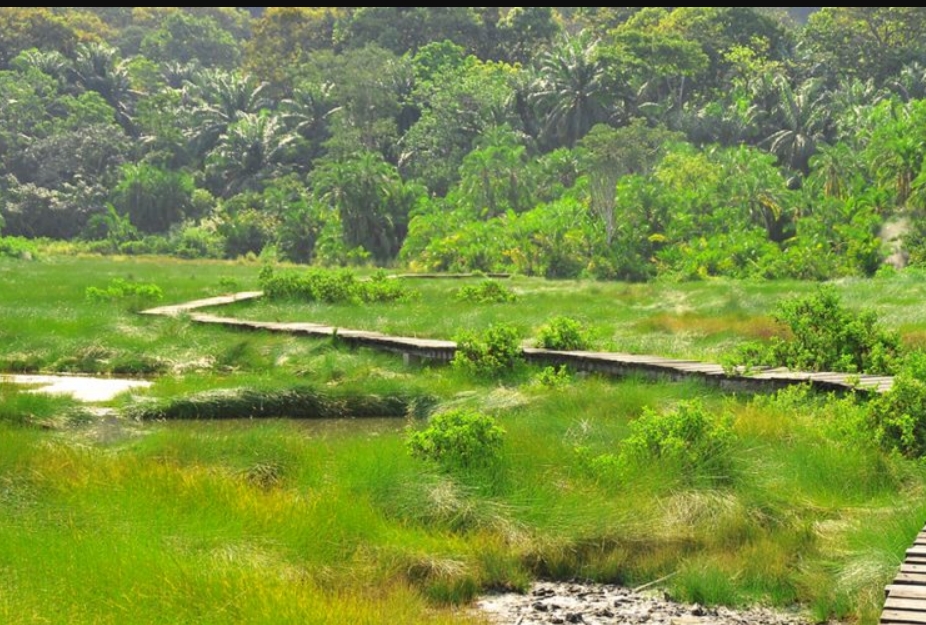
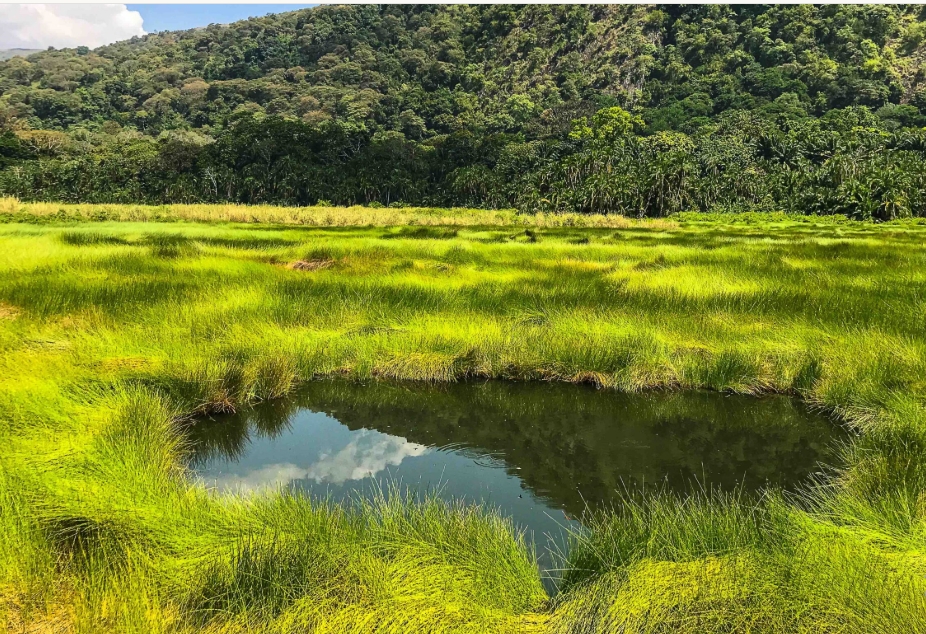
Mabamba Wetland is a unique birdwatching location home to numerous bird species, including endangered ones. It is the best place in Africa to see the globally endangered Shoebill, a rare bird. The wetland spanning over 2424 hectares features papyrus reeds and marshy areas that boost biodiversity. With the highest concentration of shoebills in Africa, Mabamba Bay is an Important Bird Area and hosts over 300 bird species.
Other birds to see in Mabamba Wetland
Shoebill Stork in Mabamba Wetland: Other birds to see include the Whinchat, Violet-backed Sterling, Water Thicknee, Weyn’s Weaver, Whiskered Terns, Eastern Grey Plantain-eater, Grey-rumped Sparrow, Red-headed Lovebird, Common Stonechat, African Purple, Great White Egret, Grassland Pipit, Long-tailed Cormorant, Purple Heron, Shining Blue Kingfisher, Red-chested Cuckoo, Marsh Harrier, Great White Pelican, Slender-billed Weaver, Papyrus Canary, African Fish Eagle, African Water Rail, White-winged Warbler, Fork-tailed Drongo, Great Cormorant, Saddle-billed Stork, Mosque Swallow, Red-eyed Dove, Common Greenshank, Red-shouldered Cuckoo Shrike, Grey Wagtail, Grey Heron, Slender-billed Gull.
Green Cuckoo, Sand Martin, Crowned Hornbill, Ross’s Turaco, Northern Brown-throated Weaver, Grey Wood Pecker, Grey Crowned Crane, Rufous-naped Lark, Wood Sandpiper, Rufous-bellied Herons, Black-crowned Waxbill, Flappet Lark, African Green Pigeon, Cattle Egret, Great Blue Turaco, Little Egret, Ruppell’s Long-tailed Sterling, Common Bulbul, White-shouldered Tit, Feral Pigeon, Grey-headed Kingfisher, Carruthers’s Cisticola, Goliath Heron, Long-toed Lapwing, African Hoopoe, Yellow-backed Weaver, Black-headed Gonolek, African Common Moorhen, Banded Martin, White-faced Whistling Duck, Olivaceous Warbler.
Grey-headed Sparrow, Black-winged Stilt, Papyrus Yellow Warbler, Pied Kingfishers, Ashy Flycatcher, Pallid Harrier, and Papyrus Gonolek. Pink-tailed Whydah, Red-billed Firefinch, Black-crowned Night Heron, Pink-backed Pelican, Pied Wagtail, Cormorants, White-winged Tern, White-browed Cuckoo, Black-headed Woodland Kingfisher, Malachite Kingfisher, Village Weaver, Little Bee-eater, Long-toed Lapwing Plover, Little Stilt, Speckled Mousebird, Tambourine Dove, Common Sandpiper, Black-faced Rufous Warbler, Fulvous Whistling Duck.
Yellow Warbler, Double-toothed Barbet, Orange Weaver, Swamp-hen, Winding Cisticola, Long-crested Eagle, Yellow-billed Duck, Tawny-flanked Prinia, Vieillot’s Black Weaver, White-browed Cuckoo, Fan-tailed Widowbird, Purple Swamp Hen, Grey Parrot, Eurasian Hobby, Glossy Ibis, Yellow-rumped Tinkerbird, Yellow Wagtail, Black-headed Heron, Intermediate Egret, Angola Swallows, Yellow-billed Kite, Common Squacco Heron, Blue-breasted Bee-eater, Brown Parrot, African Pied Wagtail, Yellow-billed Stork, Common Waxbill, Spur-winged Lapwing, White-throated Bee-eater, and several other birds.
Where to stay in Mabamba Wetland
Shoebill Stork in Mabamba Wetland: Several resorts have opened near the marsh, offering many lodging options in Entebbe and Kampala. Notable places include Nkima Forest Lodge, Mabamba Lodge, Blue Monkey Guest House, and other 2 Friends Beach Hotel, Cycad Guest House, Protea Hotel, and Best Western Premier Garden Hotel.
Accessing Mabamba Wetland
There are two ways to reach the swamp: by road and by water. The wetland is in Kasanje, which you can access from Kampala or Entebbe using the old Entebbe-Kampala Road. You can hire a special car or take a boda to Mabamba Wetland, about 13.5 km away via Kasanje Trading Centre. From Masaka Road, you can turn off at Mpigi.