Is Birding in Lake Mburo National Park Worth it
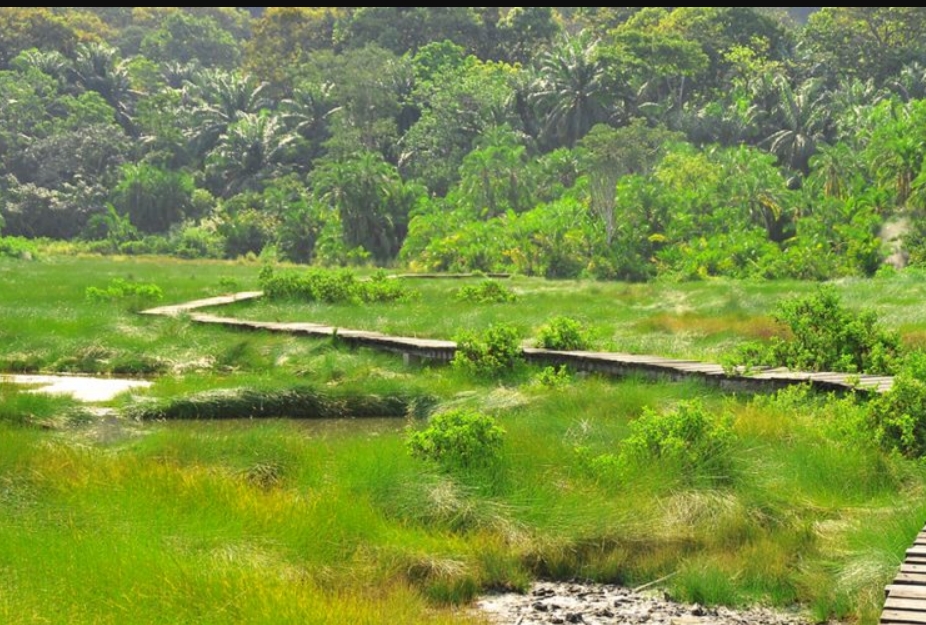
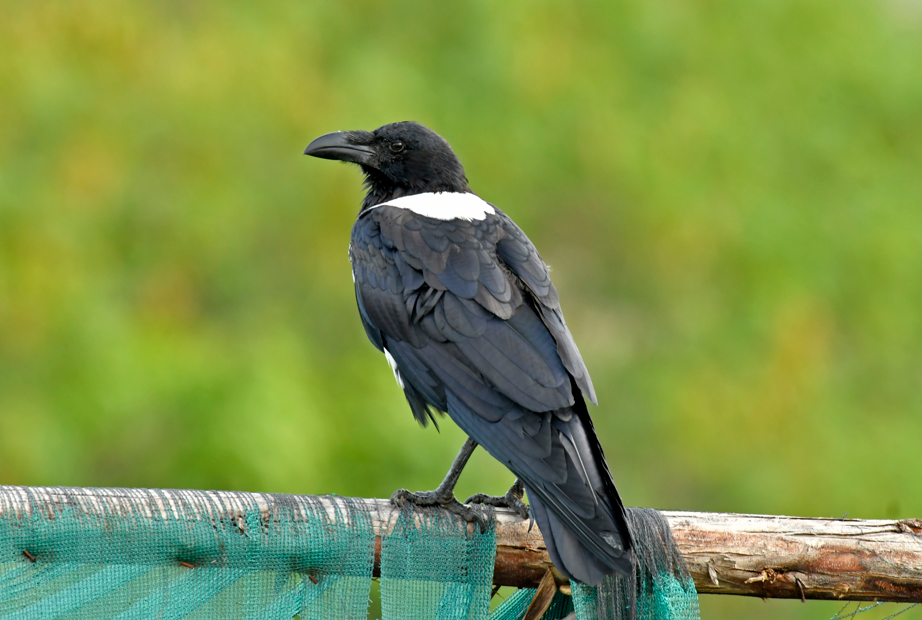
Bird enthusiasts and ornithologists planning their bird watching safaris in Uganda always ask whether birding in Lake Mburo National Park is worth it. Yes, birding in Lake Mburo is worth it, and this blog will elaborate more. Lake Mburo National Park is one of the best bird watching destinations in Uganda, attracting thousands of birders to explore the park’s unique bird life. It’s the most accessible national park in Uganda, which favours birders with limited time in the country. It’s situated in the western part of Uganda, and it is celebrated for its rich avian life. The park is blessed with a mix of natural systems which provide habitats for various bird species, including acacia woodlands, forests, savannah grasslands, wetlands and lakes. Lake Mburo National Park hosts up to 340 bird species such as acacia dwelling birds, water birds, migratory birds, forest birds, savannah birds and the park’s residents, which are rare to find anywhere else. It has different sites which are suitable for bird watching with rich birdlife like Rubanga Forest, Warukiri marshes, Miriti marshes and areas around Lake Mburo, all of which offer excellent chances for watching birds and photography.
Things that make birding in Lake Mburo National Park Worth it
Diverse Bird Species.
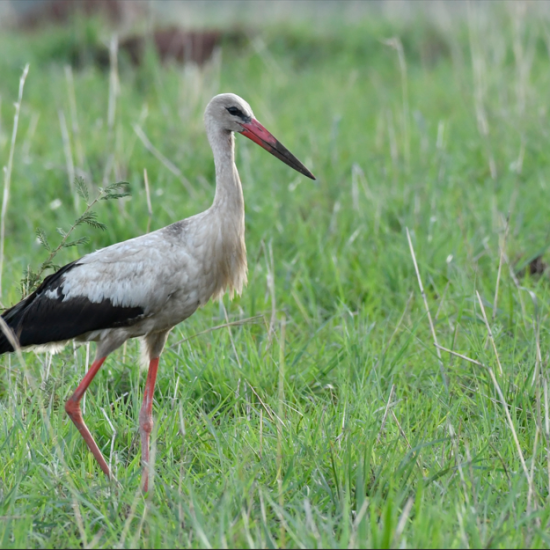
Lake Mburo National Park is one of the most rewarding bird watching destinations in the country, with diverse bird species. More than 340 bird species are recorded in the park, including migratory birds, waterbirds, forest birds, savannah birds, acacia dwelling birds and the park’s endemic species. Bird lovers can enjoy the unmatched variety in a single destination. Some of the birds to see include Rwenzori Turaco, Ross’s Turaco, Black-billed Turaco, Black-throated Coucal, Senegal Coucal, Shoebill, White-faced Whistling-Duck, Fulvous Whistling-Duck, White-backed Duck, Knob-billed Duck, Egyptian Goose, Spur-winged Goose, African Pygmy-Goose, Blue-billed Teal, Yellow-billed Duck, Red-billed Duck, Helmeted Guineafowl, Western Crested Guineafowl, Crested Francolin, Coqui Francolin, Ring-necked Francolin, Red-winged Francolin, Handsome Spurfowl, Scaly Spurfowl, Red-necked Spurfowl, Speckled Pigeon, Rameron Pigeon, White-naped Pigeon, Dusky Turtle-Dove, Mourning Collared-Dove, Red-eyed Dove, Ring-necked Dove, Vinaceous Dove, Laughing Dove, Emerald-spotted Wood-Dove, Black-billed Wood-Dove, Blue-spotted Wood-Dove, Tambourine Dove, Namaqua Dove, African Green-Pigeon, Black-bellied Bustard, Great Blue Turaco, Bare-faced Go-away-bird, Pied Cuckoo, Dideric Cuckoo, Klaas’s Cuckoo, Yellow-throated Cuckoo, African Emerald Cuckoo, Dusky Long-tailed Cuckoo, Barred Long-tailed Cuckoo, Black Cuckoo, Red-chested Cuckoo, African Cuckoo, Common Cuckoo, Pennant-winged Nightjar, Standard-winged Nightjar, Fiery-necked Nightjar, Swamp Nightjar, Plain Nightjar, Freckled Nightjar, Slender-tailed Nightjar, Square-tailed Nightjar, Mottled Spinetail, Sabine’s Spinetail, Scarce Swift, Alpine Swift, Mottled Swift, Common Swift, African Swift, Little Swift, Horus Swift, White-rumped Swift, African Palm Swift, White-spotted Flufftail, Buff-spotted Flufftail, Red-chested Flufftail, African Crake, Lesser Moorhen, Eurasian,Eastern Plantain-eater, Blue-headed Coucal,White-browed Coucal, Black Coucal, Blue Malkoha, Great Spotted Cuckoo, Levaillant’s Cuckoo, Moorhen, Red-knobbed Coot, African Swamphen, Black Crake, African Finfoot, Gray Crowned-Crane, Senegal Thick-knee, Water Thick-knee, Black-winged Stilt, Pied Avocet, Common Ringed Plover, Three-banded Plover, Long-toed Lapwing, Spur-winged Lapwing, and more.
Unique Habitants.
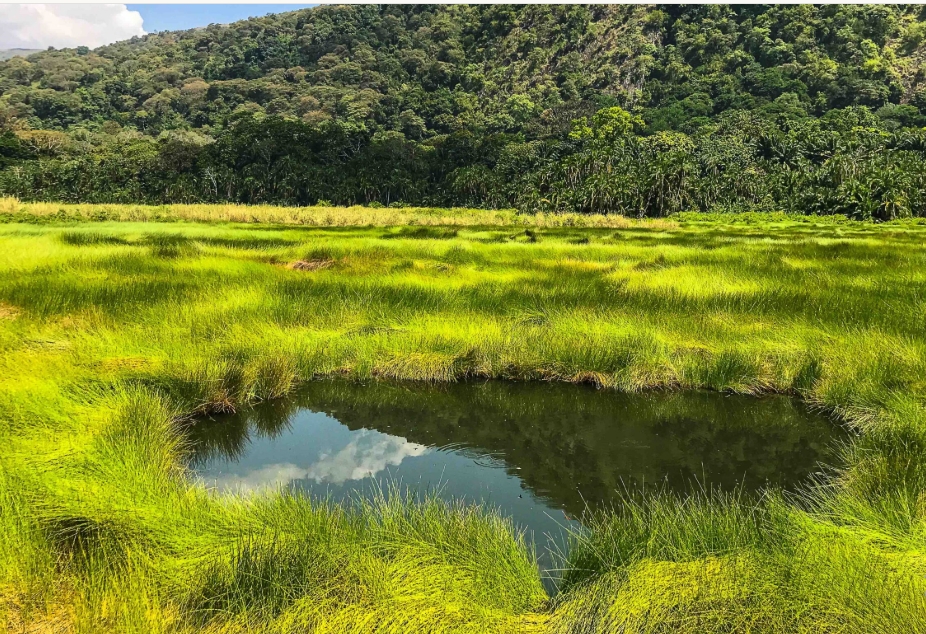
The unique habitats make birding in Lake Mburo National Park worth it. The park has diverse ecosystems which provide habitat to various bird species that call this awesome park home. These ecosystems include forests, savannah grasslands, lakes, and acacia woodlands. These habitats support distinct bird communities, giving birders a different experience from typical East African birding destinations and increasing the chances of encountering rare forest species.
Expert Park Guides.
The presence of knowledgeable and well-experienced park guides makes Birding in Lake Mburo National Park Worth it. The park has experienced bird guides who help visitors spot rare species, identify calls, and interpret behaviours, making the experience more insightful and rewarding.