Birding Photography Safaris in Kidepo National Park.
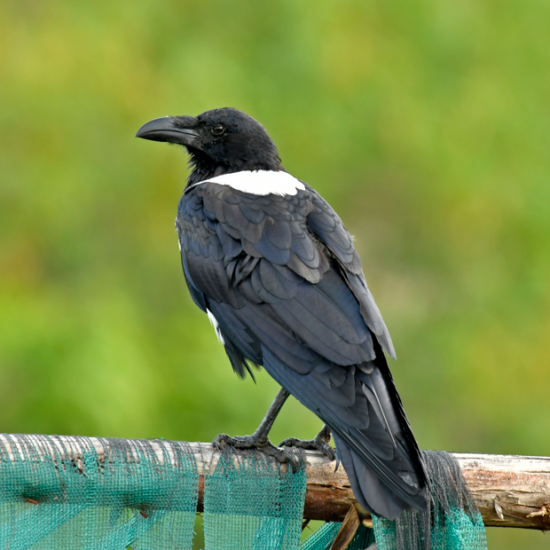
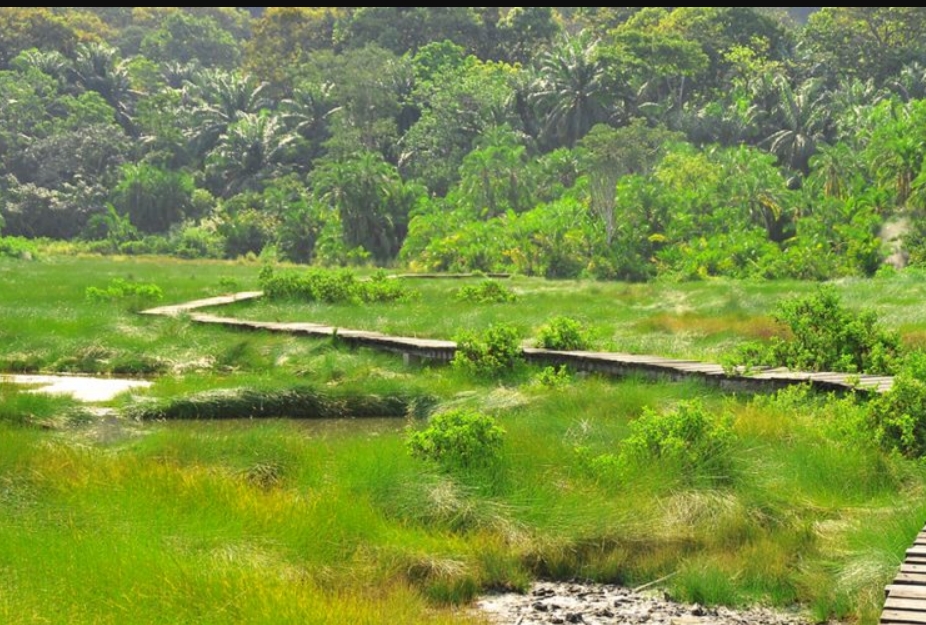
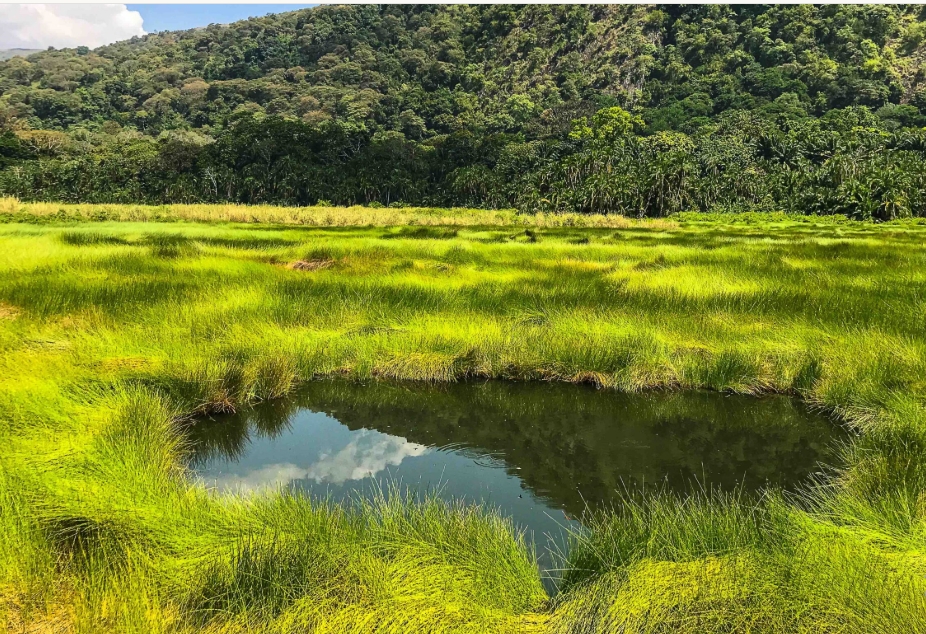
Birding photography safaris in Kidepo Valley National Park are among the most rewarding safaris in the park, which offer unique opportunities to bird lovers and wildlife photographers to capture unique bird species in Uganda’s least explored national park. It is located in the northeastern corner of Uganda, famous for its rich avian life. It’s the second national park in Uganda with the largest number of bird species, making it an ideal safari destination for birding photography safaris in the country. Kidepo Valley National Park hosts up to 480 bird species, including migratory birds, 16 Sudan and Guinea savanna, 3 Somali-Masai biome species, 58 birds of prey, 21 Afro-tropical highland species, 4 Guinea Congo Forest Biome species, migratory birds, and the park’s endemic species. It has a mix of natural systems that provide habitats to different unique birds, like savannah grasslands, riverine forests, woodlands, rivers and swamps, which provide excellent chances of capturing various bird species in their natural habitats.
Kidepo is also one of the premier destinations for photographing birds of prey. The park has various sites which are specifically for bird watching, like the Narus Valley, areas around Akopa Rest Camp, Mount Morungole and Namamukweny Valley, all of which provide excellent chances of taking good shots. Birding photography safaris are most rewarding during early morning and late afternoon when birds are most active and soft golden light creates ideal photography conditions. The park caters to all photographers, whether you are a professional or an amateur photographer seeking extraordinary images in Uganda’s true wilderness.
Bird Species to see on Birding Photography Safari in Kidepo Valley National Park.
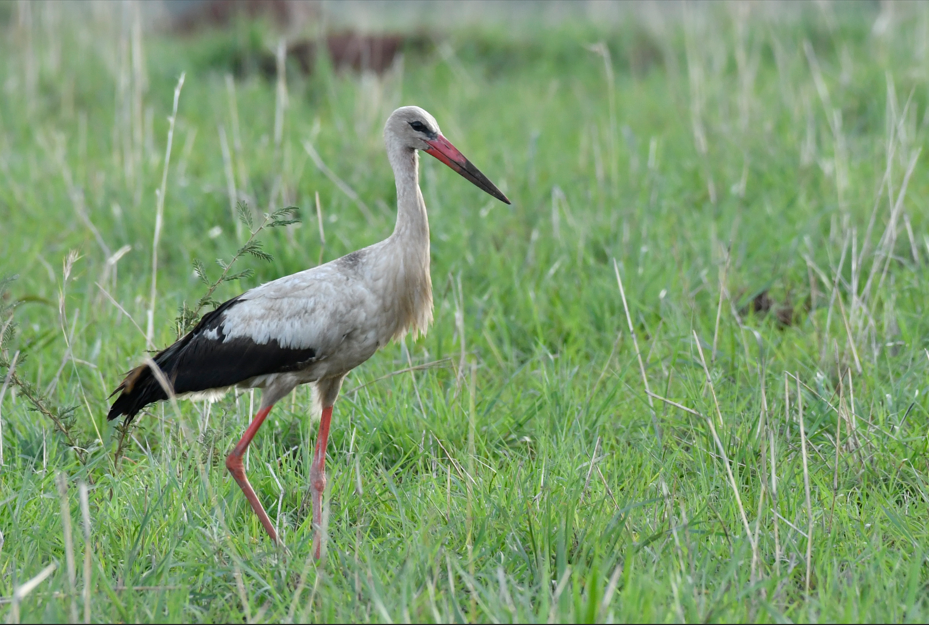
Travellers on photography safaris in the park will encounter countless bird species that call this awesome park home. Birding is a guided activity led by a knowledgeable birder, who identifies various bird species by listening to their sweet, melodic calls and sounds. Some of the birds to encounter include Abyssinian Ground-Hornbill, Crowned Hornbill, African Gray Hornbill, Jackson’s Hornbill, Northern Red-billed Hornbill, Olive Bee-eater, Common Reed Warbler, White-throated Bee-eater, Common Ostrich, White-faced Whistling-Duck, Secretary Birds, Northern Camine bee-eaters, Abyssinian Scimitarbill, Purple Heron, Clapperton’s Francolin, Fulvous Whistling-Duck, Egyptian Goose, Garganey, African Pygmy-Goose, Knob-billed Duck, Spur-winged Goose, Helmeted Guineafowl, Western Crested Guineafowl, Stone Partridge, Crested Francolin, Ring-necked Francolin, Orange River Francolin, Blue Quail, Harlequin Quail, Common Quail, Clapperton’s Spurfowl, Red-necked Spurfowl, Yellow-necked Spurfowl, Speckled Pigeon, Mourning Collared-Dove, Lemon Dove, Dusky Turtle-Dove, Emerald-spotted Wood-Dove, Vinaceous Dove, Laughing Dove.
Other birds to see on your birding photography safaris in Kidepo Valley National Park include Ring-necked Dove, Black-billed Wood-Dove, Namaqua Dove, Blue-spotted Wood-Dove, Bruce’s Green-Pigeon, Four-banded Sandgrouse, Denham’s Bustard, White-bellied Bustard, Hartlaub’s Bustard, Black-bellied Bustard, Buff-crested Bustard, Great Blue Turaco, White-bellied Go-away-bird, Bare-faced Go-away-bird, Ross’s Turaco, Eastern Plantain-eater, Black-throated Coucal, Senegal Coucal, Great Spotted Cuckoo, Red-chested Cuckoo, Pied Cuckoo, Levaillant’s Cuckoo, Standard-winged Nightjar, Fiery-necked Nightjar, Pennant-winged Nightjar, Long-tailed Nightjar, Freckled Nightjar, Swamp Nightjar, White-rumped Swift, Mottled Swift, Scarce Swift, Alpine Swift, Nyanza Swift, African Swift, Little Swift, Common Swift, Horus Swift, African Palm Swift, Buff-spotted Flufftail, White-spotted Flufftail, African Rail, Lesser Moorhen, Allen’s Gallinule, African Fish-Eagle, Western Barn Owl, Southern White-faced Owl, Northern White-faced Owl, Pearl-spotted Owlet, Pearl-spotted Owlet and more.
What to Pack on Birding Safaris in the Park.
Travellers visiting for birding photography safaris in Kidepo Valley National Park should pack items which will allow them to have a successful and memorable safari in the park. They should pack memory cards, binoculars, tripods, a camera with a telephoto lens for capturing distant birds, extra batteries, a waterproof backpack, and a rain cover to protect their equipment from unexpected rainfall. Don’t forget to carry comfortable waterproof hiking shoes, a rain jacket, insect repellent, sunscreen, a water bottle, a brimmed hat, a birding checklist, lightweight, long-sleeved shirts and trousers, energy snacks, a power bank for charging devices, and a headlamp.
What is the best time to do Birding Photography in the Park.
Photographers planning their birding photography safaris in Kidepo Valley National Park can visit the park at any time of the year. The park experiences two seasons: the wet season and the dry season. The dry season is from June to September and December to February; during this period, the park receives little to no rainfall, and the tracks are dry, which makes it easy to penetrate the park and take good shots of various bird species. The vegetation cover is short, which allows visitors to clearly see various bird species. The wet season runs from March to May and from October to November. During this period, the park receives enough rainfall, and the tracks are muddy, making it challenging to penetrate them. However, this is the most loved season by birders since it’s when migratory birds come from Europe and North Africa, running away from the harsh weather conditions and in search of food. It’s the breeding season of most bird species, and photographers get an exceptional opportunity to capture various bird species in their natural habitats.