Best Time to Go on Photography Safaris in Uganda
Best Time to Go on Photography Safaris in Uganda: Nature lovers and photographers planning to visit Uganda for photography safaris should know that Uganda and its neighbours particularly Kenya, the Democratic Republic of the Congo, and others straddles the equator, resulting in a modest yearly temperature variation. In Kampala and its surroundings, the hottest average temperature rarely reaches 29° Celsius (84° Fahrenheit).
However, as you extend north wards, the warmest daytime temperatures average between 24-33° Celsius (52-91° Fahrenheit), with maxima reaching 40° Celsius (104° Fahrenheit) in the extreme north near Kidepo National Park. This is most common in January and February. When planning for photography safaris, you should be aware that the tropical climate of Uganda is divided into two seasons: dry and wet.
Uganda’s Climate
Northern Uganda has a dry season from December to February and a wet season from March to November. This time span includes protected areas such as Murchison Falls National Park, Pian Upe Game Reserve, Kidepo Valley National Park, and Ziwa Rhino Sanctuary,
The southwestern region, which is squeezed between the Rwenzori Mountains, the Virunga Massif, and the enormous Lake Victoria the third largest lake in the world, has two wet seasons. The first season goes from mid-September to November, and the second from March to May. But keep in mind that it can rain at any time of day if you visit this area.
During the dry season in Uganda, average temperatures range from 16° Celsius (61° Fahrenheit) in the morning to 27° Celsius (81° Fahrenheit) in the afternoon. At 1,300 m, it gets exceedingly cold in higher altitudes, such as where the gorillas are found (4,265 ft). June and July are the driest months in the southwest, although expect some rain at any time of the day due to the tropical rain forests within the area and the surroundings that may affect photography activities.
However, photographers who may opt for the northern circuit, if you travel far north, to Pian Upe or Kidepo Valley, the terrain is semi-arid and can have droughts around this time. In December, January, and February, most of the southwest region receives slightly higher rainfall than in June and July. The north, on the other hand, is visibly dry, with little or no rain.
Therefore, this means that the best time for conducting photography safaris in Uganda is during the dry months which run from June to September and December particularly in central, southern, southwestern and western Uganda. These months offers the best views for wildlife, clear skies that are favourable for photography. Therefore, travellers are advised to plan accordingly in line with their photography objectives.
What Makes the Dry Season Unique for Photography?
Wildlife photography is at its best during the dry season since most of the wildlife species especially animals gather around water sources which intent visibility. Parks such as Murchison Falls National Park and Queen Elizabeth National Park offer spectacular sightings of buffalo and elephant herds with schools of hippos down the water sources.
Best Time to Go on Photography Safaris in Uganda: While at the water sources, both predictable and unpredictable behaviours of animals are exhibited, increasing encounter rates. This offers clear opportunities to nature lovers and photographers to take perfect shots of subjects and interactions between predators and their prey much easier. Therefore, for optimum wildlife, photographers are advised to pay much attention or focus on water sources during these months.
Due to the low vegetation cover, there is increase in visibility of wildlife without obstruction, hence room for perfect shots from clarity that supports composition and sharpness.
The dry months are subject to intermittent rainfall where some days are totally dry that may lead to dusty environs in the air which may add warmth and glamour to sunrise and sun set images. Forming golden hues and tones with dramatic effects across the scenic landscapes.
Is the Wet Season Ideal for Photography?
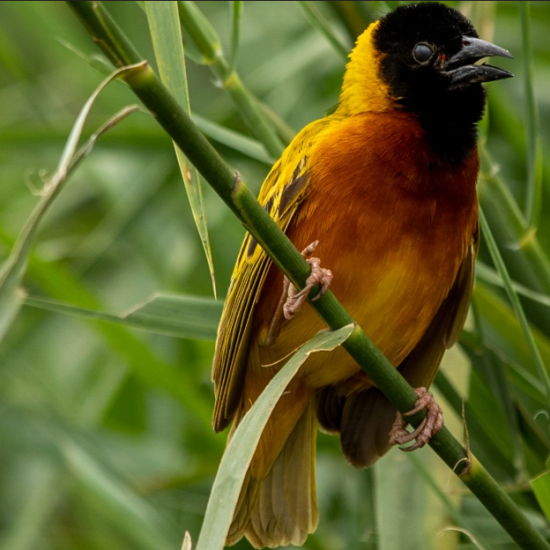
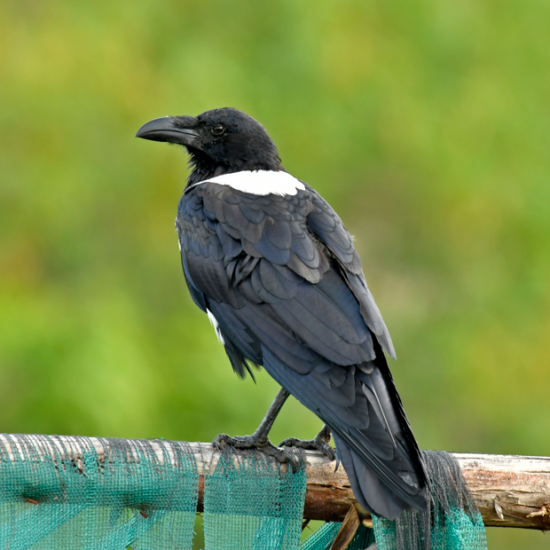
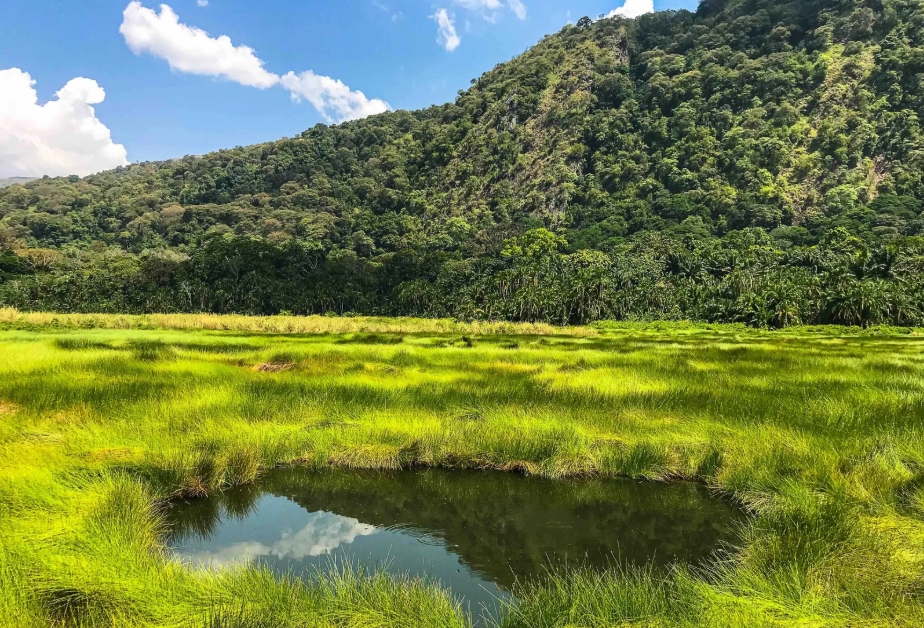
However, the wet season which runs from March to May and from late September to October also is ideal for excellent photography opportunities with emerald green vegetation cover, abundant bird species and dramatic skies. Parks such as Murchison falls National Park, Bwindi Impenetrable National Park and Semliki National Park change rich ecosystems that are condusive for breathtaking and bird photography.
Additionally, photographers should be aware that the dry months of January to February are subject to wildlife viewing, the wet months of March to May are ideal for landscape and birdlife experiences. The dry months of June to September are good for wildlife viewing especially the predators, while October to November are wet and receive fewer crowds.