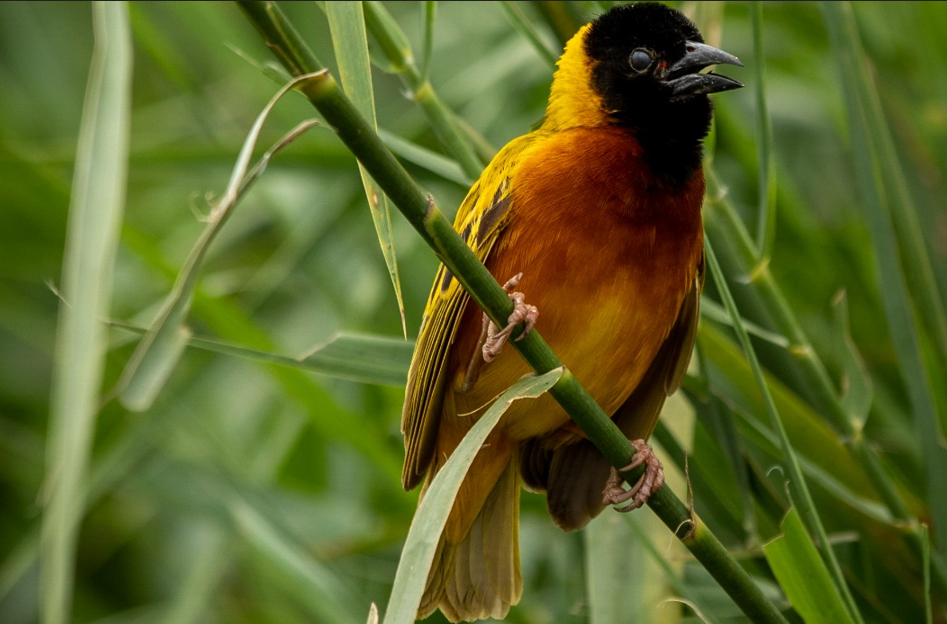
Birding Photography Safaris in Queen Elizabeth National Park.
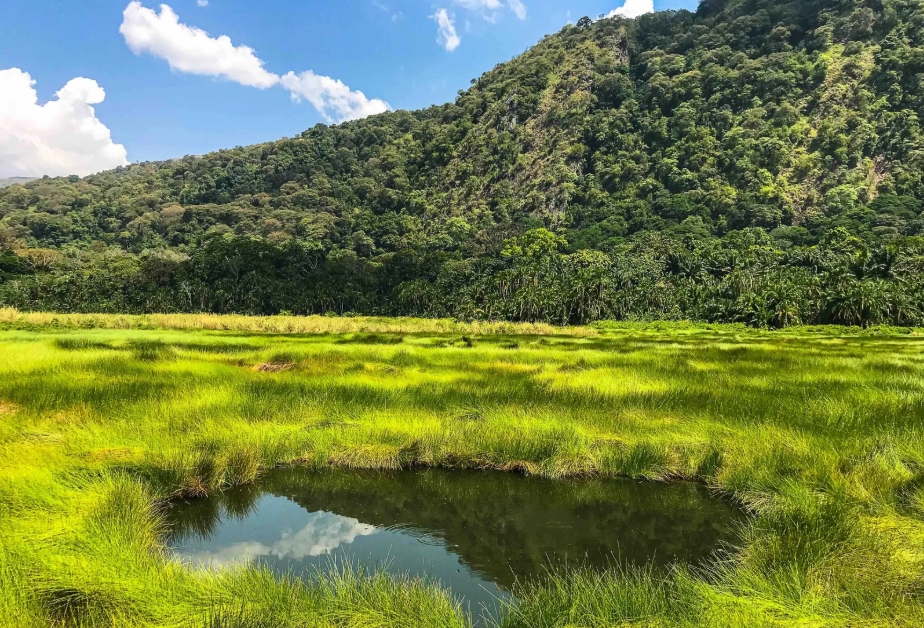
Birding photography safaris in Queen Elizabeth National Park offer an unforgettable opportunity to nature photographers and bird enthusiasts to capture the beauty of one of Africa’s richest bird watching destinations. The park is located in the western part of Uganda and is famous for its rich avian life and wildlife species. It’s one of the most sought-after birding destinations due to its unique bird species, and it’s the only destination in Africa with the largest number of bird species. The park is home to over 600 bird species, including water birds, forest birds, savannah birds, migratory birds and the park’s resident species, which are rare to find anywhere else. The park’s rich avian life is supported by its diverse ecosystems, which provide habitats to various bird species such as savannah grasslands, tropical forests, wetlands, lakes and woodlands, which create good conditions for photographing an incredible variety of bird species.
The park has various sites which are suitable for birding photography, like Kazinga Channel, Maramagambo Forest, Kesenyi Plains, Kyambura Gorge, Mweya peninsula and Ishasha sector, all of which provide excellent chances of encountering different colourful bird species. Birding photography in Queen Elizabeth National Park is best done early in the morning or late afternoon when birds are most active, and this provides excellent chances of getting good shots of various bird species. It’s a guided activity led by an experienced guide who identifies various bird species by listening to their calls and sounds, and gives more information about their behaviours. Whether you are a professional wildlife photographer or an enthusiastic beginner, every game drive, boat cruise and guided nature walk offers unique chances to photograph some of the park’s unique bird species.
Birds to Encounter on Birding Photography Safaris in Queen Elizabeth National Park.
Photographers will find the park a paradise for bird watching with up to 600 bird species to encounter, including migratory birds, water birds, savannah birds, forest birds, and the park’s residents. Some of the birds to encounter on a birding photography in Queen Elizabeth National Park include Shoebill Stork, Great Blue Turaco, Grey-crowned crane, Long-crested Eagle, Black and white Casqued Hornbill, Bateleur, Pied Avocet, White-backed Duck, Black-bellied Plover, Knob-billed Duck, Egyptian Goose, Spur-winged Goose, African Pygmy-Goose, White-faced Whistling-Duck, Yellow-billed Duck, Blue-billed Teal, Blue-billed Teal, African Black Duck, Yellow-billed Duck, Red-billed Duck, Northern Pintail, Green-winged Teal, Helmeted Guineafowl, Western Crested Guineafowl, Nahan’s Partridge, Crested Francolin, Coqui Francolin, Harlequin Quail, Common Quail, Blue Quail, Red-winged Francolin, Ring-necked Francolin, Red-necked Spurfowl, Scaly Spurfowl, Hildebrandt’s Spurfowl, Handsome Spurfowl, Rock Pigeon, Speckled Pigeon, Afep Pigeon, Rameron Pigeon, Western Bronze-naped Pigeon, Red-eyed Dove, Mourning Collared-Dove, Dusky Turtle-Dove, White-naped Pigeon, Western Bronze-naped Pigeon, Ring-necked Dove, Vinaceous Dove, Laughing Dove, Blue-spotted Wood-Dove, Black-billed Wood-Dove, Emerald-spotted Wood-Dove, Blue-spotted Wood-Dove, Tambourine Dove, African Green-Pigeon, Black-bellied Bustard, Denham’s Bustard, Eastern Plantain-eater, Bare-faced Go-away-bird, Rwenzori Turaco, White-crested Turaco, Black-billed Turaco, Black-tailed Godwit, Black-throated Coucal, Blue-headed Coucal, White-browed Coucal, Olive Long-tailed Cuckoo, Levaillant’s Cuckoo, Dideric Cuckoo, Olive Long-tailed Cuckoo, Dusky Long-tailed Cuckoo, Slender-tailed Nightjar, Plain Nightjar, Olive Long-tailed Cuckoo, Pennant-winged Nightjar, Nubian Nightjar, Common Cuckoo, Red-chested Cuckoo, Pied Cuckoo, Freckled Nightjar, Dideric Cuckoo, Blue-headed Coucal, Great Spotted Cuckoo, Montane Nightjar and others.
What to Pack on Photograph Safaris.
Travellers preparing for their birding photography safaris in Queen Elizabeth National Park are advised to pack essential items that will enable them to have a memorable photography safari in the park. They should consider packing memory cards, binoculars, tripods, a camera with a telephoto lens for capturing distant birds, extra batteries, a waterproof backpack, and a rain cover to protect their equipment from unexpected rainfall. Don’t forget to carry comfortable waterproof hiking shoes, a rain jacket, insect repellent, sunscreen, a water bottle, a brimmed hat, a birding checklist, lightweight, long-sleeved shirts and trousers, energy snacks, a power bank for charging devices, and a headlamp.
What is the best time of the Year to do Birding Photography in the Park.
Visitors can do photography safaris in Queen Elizabeth National Park at any time of the year, and the best time depends on the individual’s preferences. Just like any other African park, it receives two seasons: the dry and the wet season, both provides unique opportunities for capturing various bird species. The dry season runs from June to September and from December to February. During this season, there is little to no rainfall, making it easy to access the birding sites, providing a clear view of various bird species and taking good shots. The wet season is the most loved season by birders, which runs from March to May and October to November. This season is characterised by enough rainfall, and the park has sufficient food, which attracts various bird species. This period when migratory birds travel from Europe and Asia in search of good weather conditions and food. It’s the breeding season for various bird species, which provides excellent chances of capturing various bird species without moving deep in the park looking for them.