Safaris in Semuliki National Park
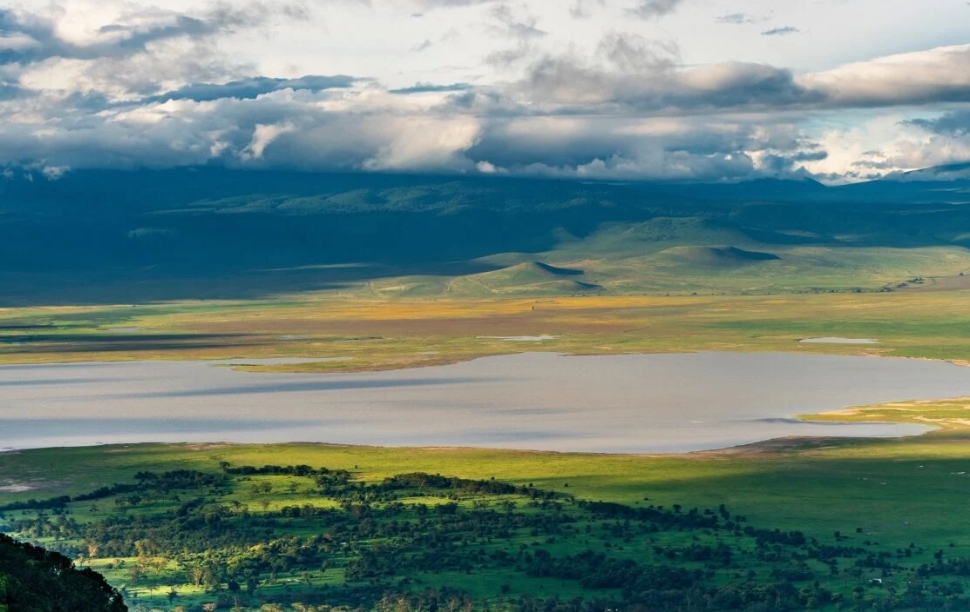
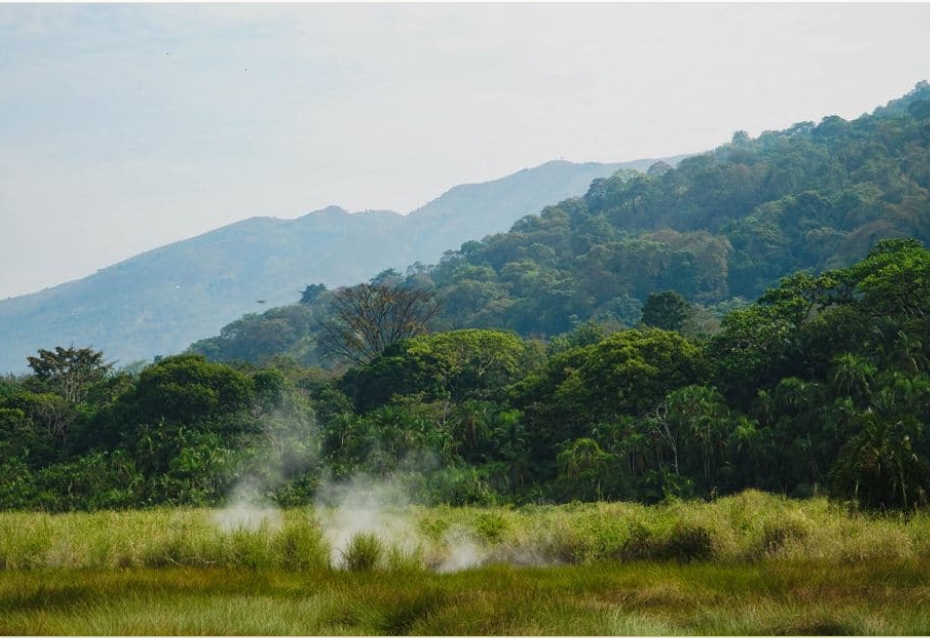
Safaris in Semuliki National Park: Uganda’s national park, Semuliki, is located on the country’s western border with the Democratic Republic of the Congo. The Uganda Wildlife Authority is in charge of Semuliki National Park, one of the country’s recently gazetted national parks. Since its gazetting in 1993, Semuliki National Park has been home to 435 bird species, 9 monkey species, 448 butterfly species, and 53 mammal species.
There are numerous safaris available in Semuliki National Park due to its abundance of attractions. Depending on what they want to see and how much time they have on the safari, visitors do participate in a variety of park activities. Because they are aware of the park’s fascinating activities, a competent tour operator will always select the finest option for their visitors.
Safaris that can be done in Semuliki national park
Butterfly watching safaris
The highest concentration of butterflies in Uganda may be found in Semuliki National Park, where visitors can take butterfly safaris to observe the various species that call the area home. There are more than 448 species of butterflies in Semuliki National Park, and visitors will find more species the more time they spend looking.
Expect to see several butterfly species on your safari such as, euphaedra edwardsii, peneleos Acraea, veined swordtail, euriphene saphirina, blue diadem butterfly, mung bean moth, small black bush brown, Chiasmia fulvisparsa, haritalodes polycymalis, common palm forester, boisduval’s tree nymph, mylantria xanthospila, rhipidarctia crameri, square winged red charaxes, gregori’s brown pansy, simple orange forester, euphaedra hybrida, and coffee berry moth.
Bicyclus mollitia, common pathfinder, toothed stately bush brown, cymothoe ochreata, dark yellow forest sylph, variegated pearl, sarothroceras banaka, bethune baker’s bush brown, neuroxena ansorgei, fulvous hawk, hill bush brown, African caper, marcipalina conjuncta, orange streak Acraea, chirinda bush brown, tailed bush brown, African leaf butterfly, zebra pyrale, common nephele, spiny bollworm, and cucumber moth among others.
Bird watching safaris
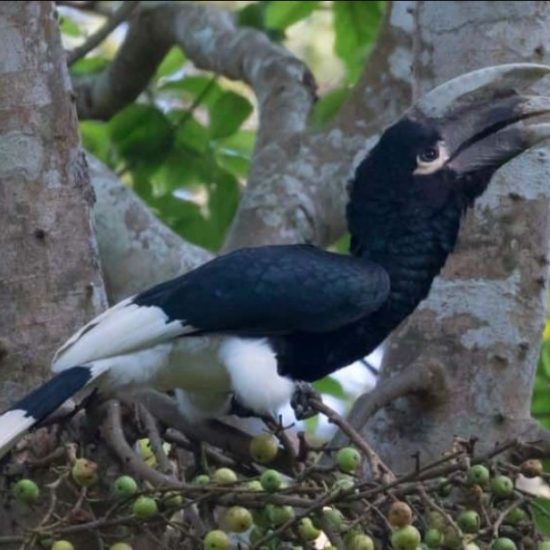
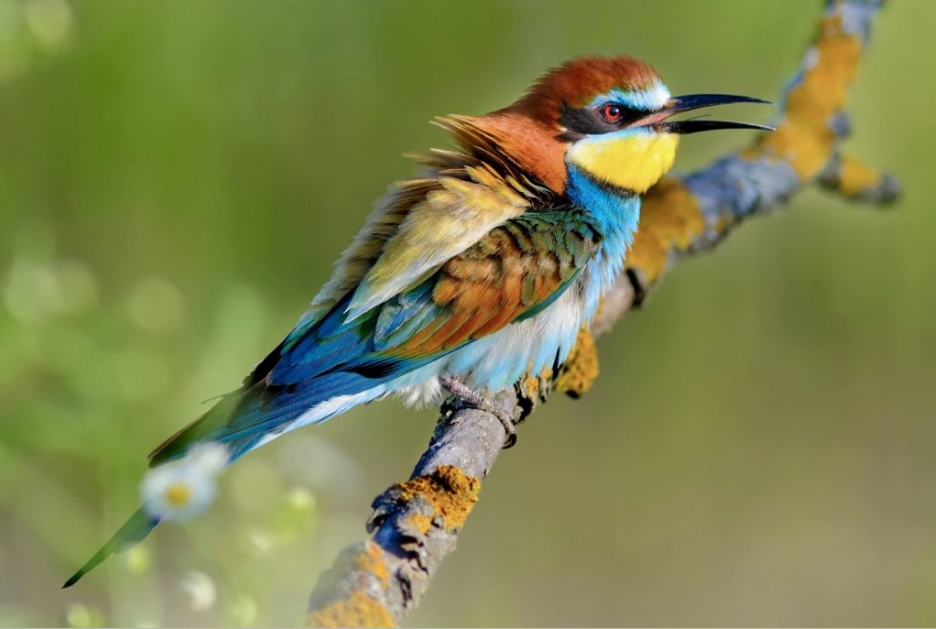
Semuliki National Park is one of the top birding locations in western Uganda, with over 435 bird species identified there. In Semuliki National Park, birdwatchers can go on a bird watching safari and spend a day or two looking for various bird species. It is best to go bird watching with a bird guide, and the armed ranger guides keep visitors safe.
Birdwatchers can see birds like the Great Blue Turaco, Shoe Bill Stork, Orange-cheeked Waxbill, Blue-headed Crested Flycatcher, White-tailed Hornbill, Sassi’s olive greenbul, Capuchin Babbler, Red-billed dwarf hornbill, Yellow-throated Nicator, Northern Bearded Scrub Robin, Hartlaub’s duck, Rufous-sided Broadbill, and Orange-tufted Sunbird, Eastern-bearded Greenbul, Grant’s Bluebill, Fiery-breasted Bush-Shrike, on a safari.
Red-thighed Sparrow Hawk, Red-rumped Tinkerbird, White-throated Blue Swallow, Maxwell’s black weaver, Western Bronze-naped Pigeon, Yellow-throated Nicator, Black Dwarf Hornbill, Crested Malimbe, Purple-breasted sunbird, Blue-billed malimbe, swamp palm bulbul, long tailed hawk, Piping Hornbill, Crested Malimbe, Red-billed Dwarf hornbill, Long-tailed Hawk, Gabon woodpecker, among others.
Cultural safaris
The Batwa pygmies once lived in Semuliki National Park, but they were forced to leave when the region was designated as a national park by the government in 1993. When travelling on a cultural safari, visitors can find the Batwa because they have chosen to reside near the park’s boundaries.
The nearby settlements of Ntandi and Boma are home to the Batwa pygmies of Semuliki National Park. A local guide who is familiar with the many parts of the community can always accompany tourists to these settlements. When visitors arrive in any Batwa community, they are invariably greeted by skilled traditional dancers who perform both singing and dancing.
You will meet a variety of folks at the Batwa houses, each with a unique story to tell and a job description. Traditional healers, farmers, and seniors who narrate tales of past events in the bush comprise the community. You will be able to understand how the Batwa coexisted with wild animals in the forest and rainforest.
Are safaris in Semuliki national park worth the money?
Experienced visitors attest that every safari in Semuliki National Park is worthwhile. You will be happy with your safari in Semuliki National Park since you will see majority of the park’s attractions. In addition to ensuring your safety within the park, armed ranger guides assist you in accessing the majority of its regions.
When to have safaris to Semuliki national park
Although visitors can go on safaris in Semuliki National Park at any time of year, it has been found that the ideal times to visit are during the dry season, which runs from June to September and December to February. This is due to the months’ abundance of sunshine and lack of precipitation. In addition to the short vegetation and pleasant views of park attractions, the walking pathways are dry and easy to navigate during this time of year.
During the rainy season, tourists, especially those on a tight budget, can go on safaris in Semuliki National Park and take advantage of discounted lodging options and tour packages. Visitors should be aware that this is the time of year when the park receives a lot of rainfall, which makes the walking pathways muddy and slick and obscures views of the park’s highlights due to the dense foliage.