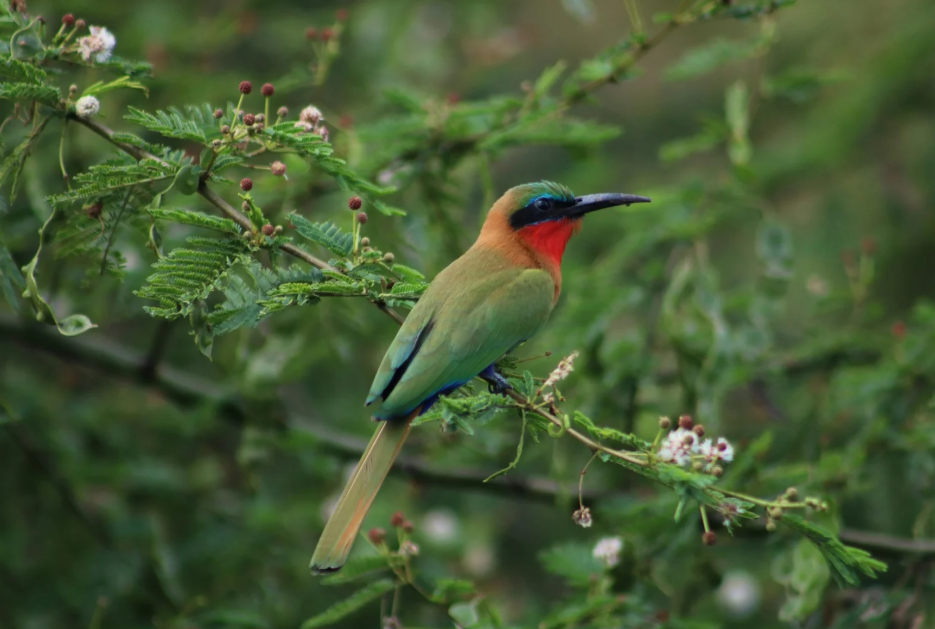
Birding Experience in Semuliki National Park.
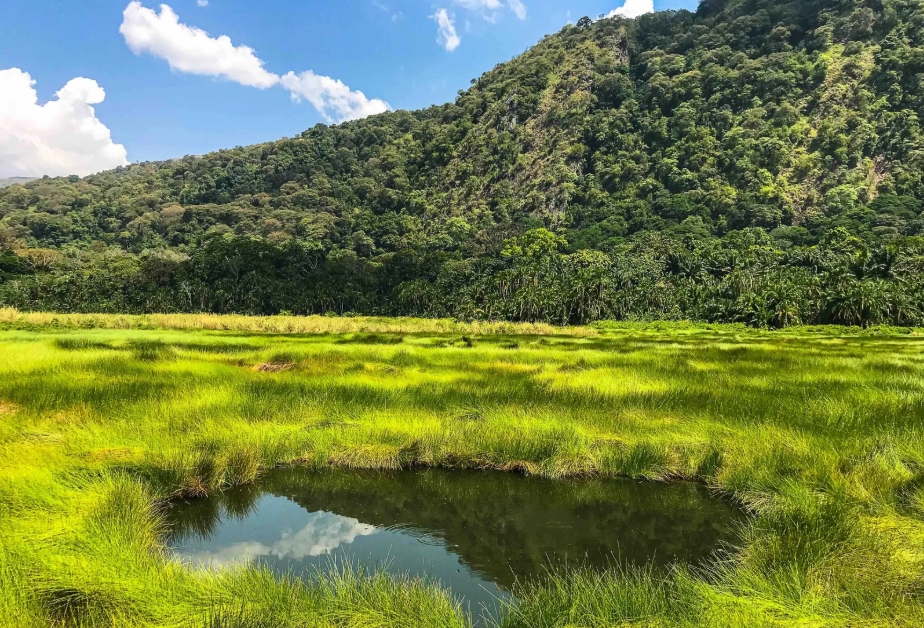
Bird enthusiasts and ornithologists imagine the birding experience in Semuliki National Park while planning their safari in the park, and this blog will discuss the birding experiences in the park. It’s one of the most sought-after national parks in East Africa, situated in the far western corner of Uganda. The park is celebrated for hosting the highest number of forest birds and Guinea-Congo biome species, which are rare to find anywhere else. Semuliki National Park is a prime bird watching destination in Uganda, home to over 455 bird species, according to Aibase, including 5 Albertine Rift endemics, forest birds, water birds, Guinea-Congo biome species, migratory birds and the park’s residents. The park’s rich avian life is supported by its unique ecosystems, which provide habitats for various birds, such as tropical forests, riverine forests, grasslands and swamps. The park has well-maintained birding trails which provide excellent chances for photography and bird watching, such as Kirumia trail, Sempaya trail, and Ntandi trail. These trails cater to all levels of birders, whether you are an experienced birder or a beginner; Semuliki National Park provides unforgettable birding experiences in the Pearl of Africa.
Birds to see on a birding experience in Semuliki National Park.
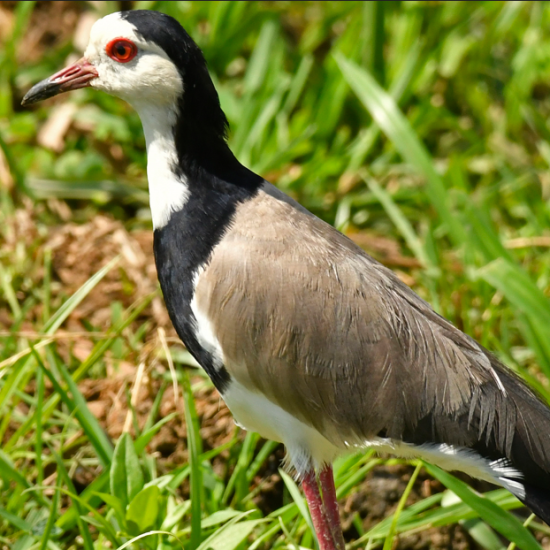
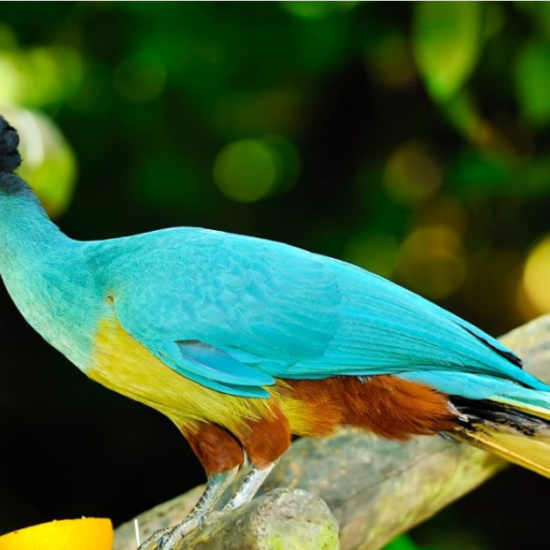
Birders visiting the park will encounter various bird species on their birding safaris, which include Helmeted Guineafowl, Western Crested Guineafowl, Nahan’s Partridge, Latham’s Francolin, Crested Francolin, Ring-necked Francolin, Heuglin’s Spurfowl , Speckled Pigeon, Afep Pigeon, Rameron Pigeon, Western Bronze-naped Pigeon, White-naped Pigeon, Lemon Dove, Mourning Collared-Dove, Red-eyed Dove, Ring-necked Dove, Laughing Dove, Emerald-spotted Wood-Dove, Black-billed Wood-Dove, African Green-Pigeon, Denham’s Bustard, Black-bellied Bustard, Great Blue Turaco, Bare-faced Go-away-bird , Eastern Plantain-eater, Ross’s Turaco, White-crested Turaco, Black-billed Turaco, Black-throated Coucal, Senegal Coucal, Blue-headed Coucal, White-browed Coucal, Black Coucal, Blue Malkoha, Levaillant’s Cuckoo, Pied Cuckoo, Dideric Cuckoo, Klaas’s Cuckoo, Yellow-throated Cuckoo, African Emerald Cuckoo, Dusky Long-tailed Cuckoo, African Cuckoo, Common Cuckoo, Pennant-winged Nightjar, Standard-winged Nightjar, Fiery-necked Nightjar, Plain Nightjar, Freckled Nightjar, Bates’s Nightjar, Long-tailed Nightjar, Square-tailed Nightjar, Mottled Spinetail, Sabine’s Spinetail, Common Swift, Alpine Swift, Scarce Swift, White-rumped Swift, African Palm Swift, Horus Swift, Long-toed Lapwing, Spur-winged Lapwing, Black-headed Lapwing, Senegal Lapwing, Wattled Lapwing, Greater Painted-Snipe, African Jacana, Common Sandpiper, Green Sandpiper, Marsh Sandpiper, Wood Sandpiper, Common Redshank, Curlew Sandpiper, Sanderling, White Pelican, Pink-backed Pelican, Lesser Black-backed Gull, Whiskered Tern, White-winged Tern, Little Grebe, African Openbill, Abdim’s Stork, African Woolly-necked Stork, Saddle-billed Stork, Marabou Stork, Yellow-billed Stork, African Darter, Great Cormorant, Reed Cormorant, African Sacred Ibis, Glossy Ibis, Black-winged Kite, African Harrier-Hawk, White-headed Vulture, Bateleur, Hooded Vulture, Rüppell’s Griffon, Lappet-faced Vulture, Forest Scrub-Robin, White-browed Scrub-Robin, Fire-crested Alethe, White-eyed Slaty-Flycatcher, Blue-shouldered Robin-Chat, Red-chested Owlet, African Wood-Ow, Abyssinian Ground-Hornbill, Forest Scimitarbill, Narina Trogon.
Birding in Semuliki National Park.
Birding experience in Semuliki National Park is one of the most thrilling activities in East Africa, which allows bird enthusiasts and ornithologists to explore the park’s unique bird species. This is a guided activity led by a knowledgeable birder who gives educational information about the bird species and assists travellers by identifying various birds in the park by hearing their melodic sounds and sounds. Birding is best done in the morning hours and late afternoon hours when birds are most active in the park. Birders are advised to prepare a bird checklist while visiting the park, which helps them to search for specific bird species that they are interested in seeing, and it also makes the birding experience more fun as they tick off birds they have encountered. The park has various trails specific to bird watching, which cater to all levels of fitness, whether you are an experienced birder or simply a beginner. Semuliki National Park offers unforgettable bird watching experiences.
What is the Best Time to do Birding.
Visitors can have a thrilling birding experience in Semuliki National Park at any time of the year. The wet season, which runs from October to November and March to May, is the most preferred season by birders. During this season, the park receives enough rainfall, and there is enough food, which attracts migratory birds from Europe and North Africa. This is the breeding season of most bird species in the park, which makes encountering them easier. Bird lovers can also visit the park in the peak season, which runs from June to September and December to February. This period receives little to no rainfall, and the park is drier, which makes it easy to penetrate it.