Rwanda’s Congo Nile Trail Adventure
Gorilla trekking experience in Rwanda is far exceptional compared to the Rwanda’s Congo Nile Trail Adventure. Visitors only consider exploring the Congo Nile dive as an optional activity because gorilla trekking encounters are the most famous adventure activity across the country. The extraordinary efforts made by the Rwandan government to guarantee diversity in its tourist attractions deserve recognition. In regard to embracing Rwanda as one of Africa’s cycling destinations in Africa, the trail was established in 2011 as part of the country’s development in the tourism industry.
This Trail spans over 227-kilometer traversing through Lake Kivu, to Gisenyi’s northern shores and winding on the southern shores of Rusizi District. This trail got its name as a landmark/watershed that splits the Nile and Congo rivers, despite not actually crossing through Congo or anywhere close to the Nile River. Certainly, East Africa’s greatest bike route is the Congo Nile Trail. The greatest way to take in Rwanda’s natural beauty and its purity of fresh air is to visit the Rwanda’s Congo Nile trail adventure.
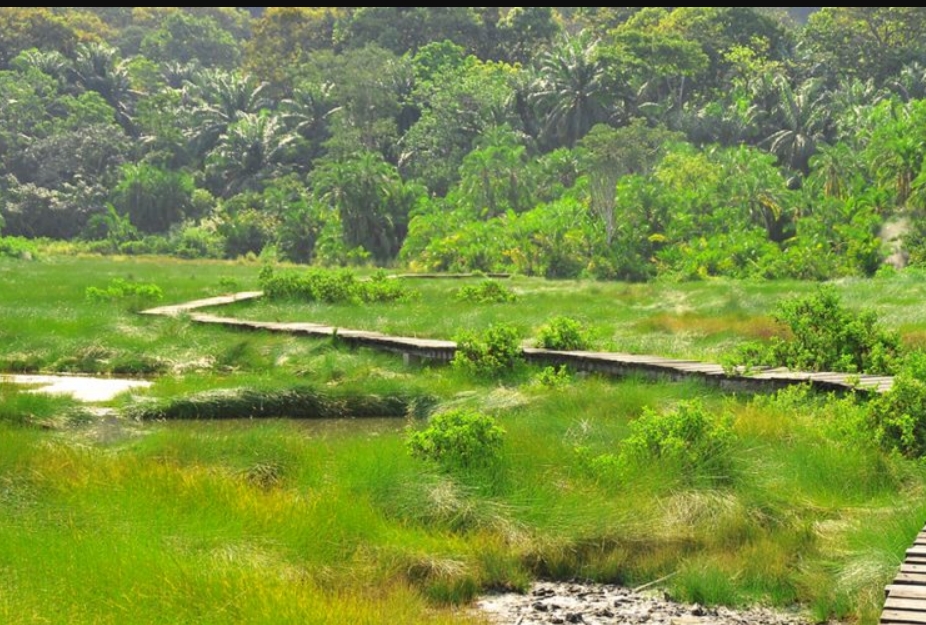
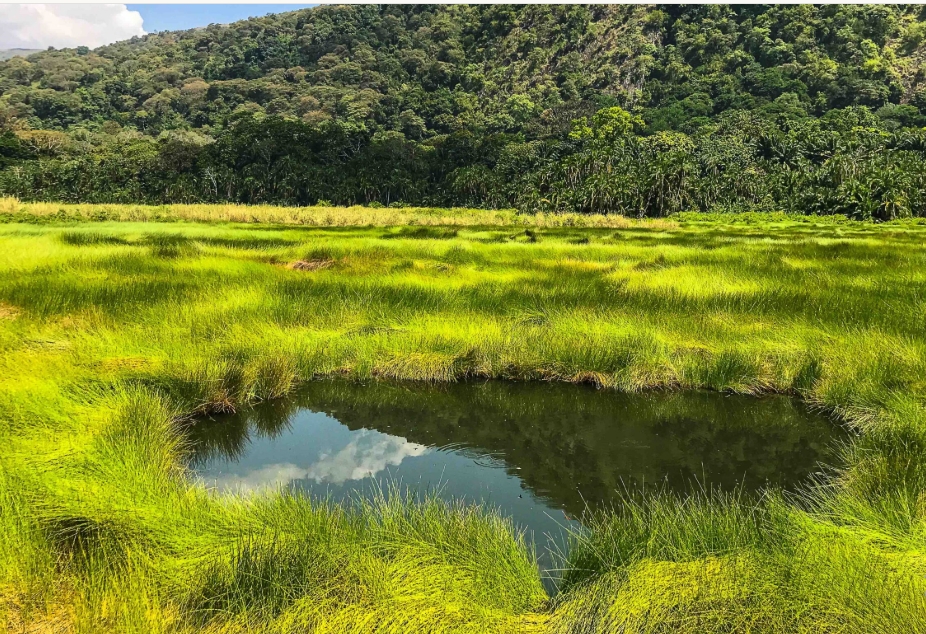
The trail traverses through breathtakingly gorgeous landscapes, such as Nyungwe Forest National Park, the popular undulating hills of Rwanda, Lake Kivu’s crystal-clear waters and beaches, and a few views of the far-off Democratic Republic of the Congo. You can observe the natives going about their everyday lives on their tea, coffee, and banana farms, in addition to the beauty.
Additionally, you travel through little towns, stores, valleys, waterfalls, tiny local marketplaces, and fishing villages where you are greeted warmly by inquiring elders and happy children. Local Rwandan dances may possibly be performed when you visit the Mugonero orphanage. Near the route lies the Kiziba refugee community, which is home to over 17,000 Congolese refugees. Reaching the summit of the Congo Nile is the culmination of it all.
There are various options visitors can use to traverse this trail, these include walking, biking, motorcycling, and driving. Every technique has benefits of its own benefits. Although they can be exhausting, walking and biking are the most effective ways to finish the trail. Through the two approaches, visitors can better engage with the community and enjoy the stunning environment along the way.
In contrast to driving or riding a motorcycle, they are excellent ways to get exercise and make it simple to join other travellers. While biking takes five days, walking the Congo Nile Trail takes ten days. Travellers may choose to finish the trek in segments if time permits. Keep in mind that March through May and October through November are the wet seasons. Some parts of the trail become muddy due to heavy rains, and difficult to go through.
During Rwanda’s Congo Nile Trail adventure, visitors can obtain free maps to help them navigate the path, regardless of the route they take, at the Rwanda Development Board offices in Kigali, Musanze, and Gisenyi. Maps are useful for identifying landmarks, interesting locations, directions, accurate lengths, route adjustments, and the amount of time needed to complete particular trail sections.
The only necessities for a lone traveller in Rwanda are a map, personal supplies, and self-assurance. Additionally, more affluent tourists can hire their own cooks, porters, and guides to travel with them.
Visitors coming to Rwanda are urged to make use of the services of the tour operator to handle all of the groundwork before they arrive. A tour operator can assist in making arrangements for porters, guides, and other requirements while taking your interests, schedule, and financial constraints into account. Caracal Explorers can assist you with renting or purchasing appropriate mountain bikes, as well as the necessary spare parts and maps. Guides, cooks, porters, and transportation to and from the starting and finishing locations are all things we have expertise in setting up.
The Congo Nile trail traverses’ areas with varying features, such as dusty roads, hilly and rocky areas. As you channel into the narrow trails, you will find others descending while others are climbing as well. Road travelers should exercise caution and be aware of local pedestrians, motorcyclists, and cars.
Hiking the Congo Nile Trail
On a road trip through Rwanda, the bus ride from Kigali to Gisenyi takes about 3 hours. Therefore, there is a need to haggle with the bus operators to secure additional seats or space for those planning to carry bikes on them. Alternatively, your tour operator can arrange to transfer you to the starting point in Gisenyi and then pick you up when you are done. It takes a lot longer to go back to Kigali from the finish line. It would take almost 5 hours to return to Kigali if you made a stop in Kamembe.
Purchasing and Renting a Bike
When you are travelling from abroad, it is expensive to move with your own bike. A decent mountain bike may need to be bought or rented from specialised shops in Kigali or once you get to Gisenyi. Bicycle rentals in Gisenyi may be facilitated by some lodges, such as Inzu Lodges, upon request. Make sure you test the bike yourself to make sure you are comfortable riding it and that it is in good mechanical condition. Along with a pump, the bike should include essential spare parts.
Challenges
Completing the trail on foot or by bicycle, you must be at a reasonable level of fitness and experienced with mountain biking. If you are unsure of your general level of fitness, you can choose to finish the path in segments, taking stops to engage in enjoyable and revitalising activities like swimming, watching the waterfalls, or enjoying boat or canoe excursions along Lake Kivu.
Refreshments and en route meals
The trail was designed to pass through trading centres, towns, communities, and marketplaces, where bikers can purchase refreshments like fruits, local cusine, and drinks, as well as interacting with people, as you study their lifestyle.
Accommodation- Rwanda’s Congo Nile Trail Adventure
Despite the accommodation facilities within the region of the trail, most hikers prefer camping near schools, orphanage homes across the village to spend a night or more. However, your tour operator or the Rwanda Development Board can arrange to have tents or connect you to outlets of service providers, especially to those who may be missing the necessary equipment. The sign posts along the trail help hikers to locate several campsites where many of them have tents, meaning that you may instead require light beddings and essentials.
Other accommodation facilities include Cormoran Lodge, Lake Kivu Serena Hotel, Inzu Lodge Gisenyi, Peace Guest House, Bethanie Guest House Kibuye, Moriah Hill Hotel, Paradise Malahide Gisenyi, L’Esparance Guest House, Kinunu Guest House, Kibogora Guest House, Home Saint Jean Kibuye, among others.