Rwanda Birding Adventure
Rwanda Birding Adventure: Rwanda has over 700 bird species found in a diverse protected area, including marshes and farms. Bird watching mainly takes place in Volcanoes National Park, Akagera National Park, Nyungwe Forest National Park, and several marshes. To enjoy birding in Rwanda, be prepared for long hours outdoors and expect significant hiking in some areas, especially in Nyungwe and Volcanoes National Parks.
Birding in Rwanda is a pleasant experience due to the ease of spotting birds and the short distances between protected areas. Good birding locations include swamps by highways and agricultural lands in villages. Volcanoes Park, Nyungwe Forest, and Gishwati-Mukura Park are ideal for seeing rare bird species. Kigali also offers several birding spots to explore.
Top places to visit for bird watching in Rwanda
Akagera National Park
Akagera National Park is one of the leading destinations known for its rich birding excursions in Rwanda. This protected area is home to over 500 bird species, including hornbills, Raptors, Kingfishers, and several savannah, water, and migratory birds. More still, during game drives, guided nature walks, and boat launch, visitors can get up close to enjoy seeing various birds.
Nyungwe Forest National Park
Besides, Nyungwe Forest National Park being a great destination for chimpanzee trekking, it’s also a haven for birding in Rwanda. This park is home to about 300 bird species, including various bird species such as the Red-throated Alethe, Great Blue Turaco, Archer’s Robin-chat, Red-collared Babbler, Kivu Ground Thrush, Mountain Sooty Boubou, several cuckoos, and sunbirds. Birdwatchers can still take guided nature walks traversing the forest to see the park’s skulking birds with breathtaking scenery.
Rugezi Marsh-Rwanda Birding Adventure
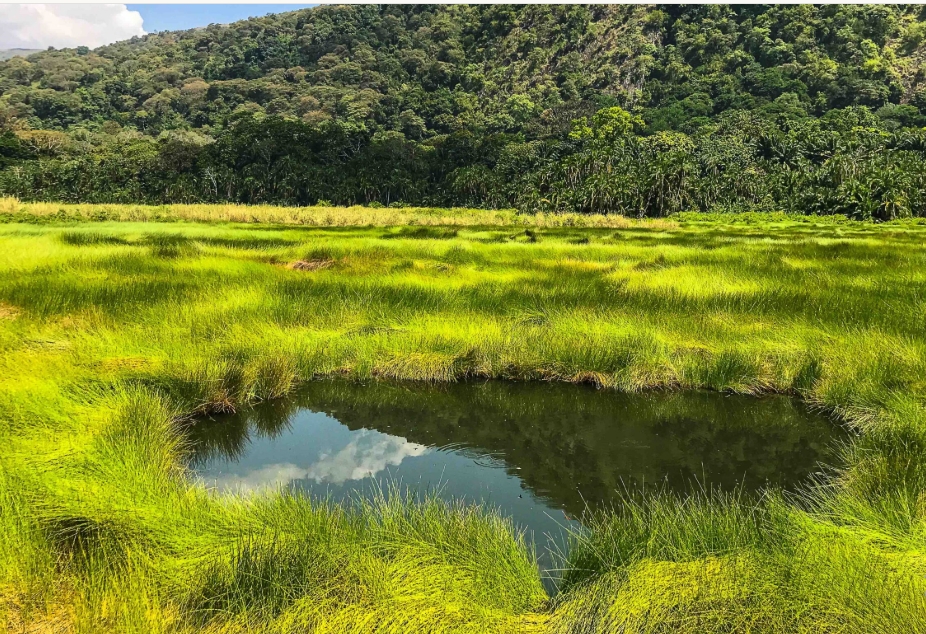
This is one of the prominent wetland areas in Rwanda that offers exceptional birdwatching in the marshy areas of Rugezi. This is a haven for birdlife due to its marshy and swampy surroundings that harbour several bird species, particularly water birds such as Saddle-billed Stork, Goliath Heron, Cattle Egret, African jacana, and Yellow-billed Stork, among others. Birdwatchers can still take a guided nature walk along the marshes, offering them a chance to see several bird species and other wildlife species.
Akanyaru Wetlands
Besides the Rugezi Wetland, Akanyaru is another prominent wetland in the country, known for its rich biodiversity and home to various bird species, especially water birds such as Yellow-billed Stork, Grey Crowned crane, African Darter, Cormorants, African Jacana, Malachite Kingfisher, Hadada Ibis, Pelikans, and Herons. Bird enthusiasts can still take a guided nature walk to see unique birds and other wildlife species.
Volcanoes National Park-Rwanda Birding Adventure
Volcanoes National Park is an excellent spot for gorilla trekking and bird watching, featuring over 170 bird species like sunbirds, weavers, and waxbills. Visitors can join guided walks to explore the birds and scenic views. Other key birding places in Rwanda include the Congo Nile Trail, the Butare Arboretum, and Gishwati-Mukura National Park. Caracal Explorers can assist in creating a personalized itinerary based on your interests and travel needs.
Birding safari Code of conduct in Rwanda
Travellers planning to visit Rwanda for birding excursions should always pay heed and follow the Code of Conduct as a way of ensuring your safety and the protection of the birds and their natural setting. Some of the guidelines include the following:
Do not feed the birds-Rwanda Birding Adventure
Visitors should take note of this! Feeding these birds in most cases can change or disrupt their natural setting in terms of diet. Therefore, avoid giving food to these birds and also you are advised not to litter the park premises or do not leave any food behind or open your food containers in your safari vehicles since these wildlife species are wild in nature.
Respect the birds and their natural habitats.
During birding in Rwanda’s protected birding areas, it’s quite important to know and take note that you are a guest in their natural setting, and these birds like any other wildlife species deserve their rights of living in harmony such as with out making loud noise, distorting and trampling the vegetation cover, shouting at them, disturbing their nests which may scare them away. Therefore, visitors are urged always to remain on the designated trails.
Follow Park regulations- Rwanda Birding Adventure
Travellers visiting these protected areas, especially national parks, game reserves, and sanctuaries, it is paramount to abide by the park rules and regulations for safety measures, such as staying on the designated trails and not to off track, avoid littering, respecting wildlife and their natural habitats as well among others.
Use binoculars and cameras responsibly.
Since most of the visitors, especially birdwatchers always come with essential tools such as cameras, binoculars, and telescopes, among others, visitors are advised to use them responsibly. When taking photos, avoid using the flash since this can disturb the birds and their environment as a way of scaring them away. Therefore, it’s better to use your binoculars, or spotting scope/ telescope to see birds from a distance and avoid moving to close to these birds.
Knowledgeable and licensed guide
For travellers to ensure a successful and safe birding experience, it is recommended to hire the services of a reputable, experienced, and licensed birding guide. The guide contributes greatly to the success or failure of your birding safari. Knowledgeable guides can help you identify various bird species, together with information about their behavior and natural habitat. Additionally, they can help you abide to the code of conduct and ensure that you enjoy and have a responsible and ethical birding experience.
Conclusion
Following Rwanda’s birding adventure, the above guidelines enable birdwatchers and nature lovers to successfully enjoy an ethical and responsible birdwatching not only in Rwanda but also in other birding destinations, as well as a way of safety measures in conserving birdlife habitats.