Albertine Rift Endemic Birds in Gishwati Mukura National Park
Albertine Rift Endemic Birds in Gishwati Mukura National Park: Albertine Rift endemic birds refer to birds that are unique and restricted to the Albertine Rift. It is in this region where Gishwati Mukura National Park is situated, a biogeographically special region in central and East Africa defined by diverse ecosystems of misty montane woodlands and high altitude that support special microhabitats with a unique and exceptional number of endemic wildlife species.
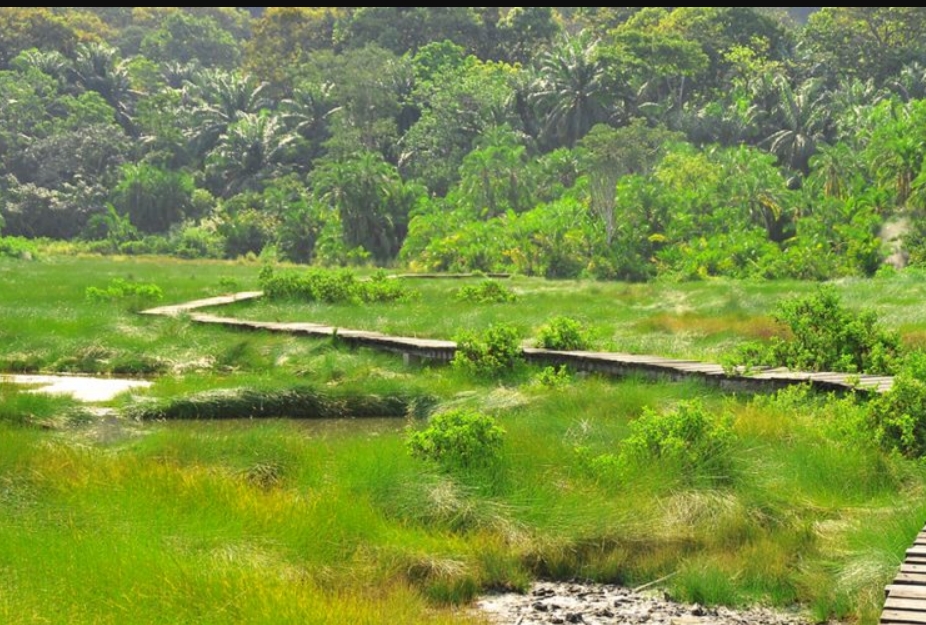
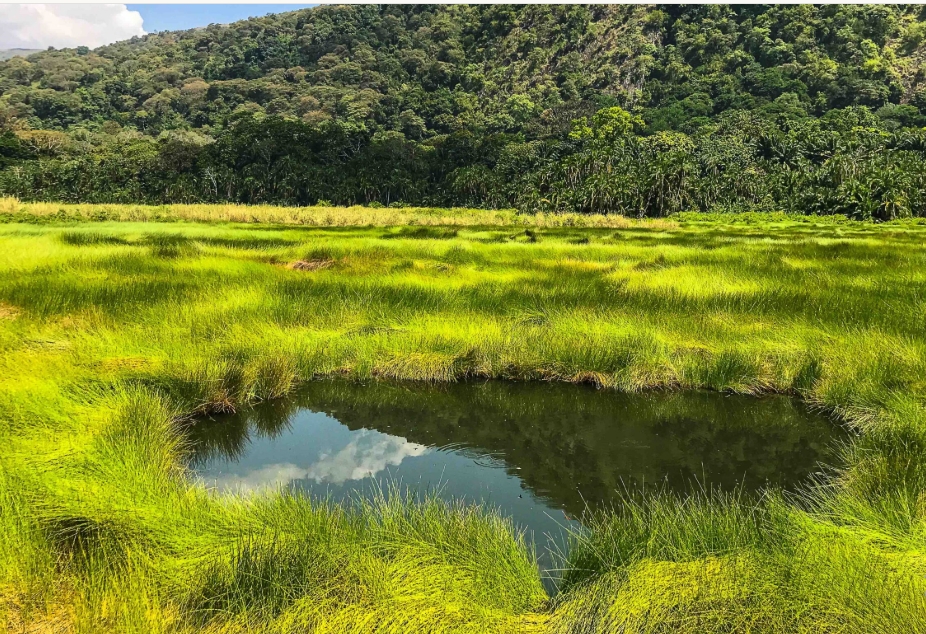
Gishwati Mukura National Park is a newly established park in Rwanda that attracts many visitors, especially birdwatchers and nature lovers. It is home to over 232 bird species, including 20 that are only found in the Albertine Rift, such as the White-necked Raven and Great Blue Turaco.
The park spans about 3,558 hectares and has over 60 tree species and various wildlife. Created in September 2015, the park offers great birding opportunities. With an experienced guide, you can spot birds like the Regal Sunbird and Ruwenzori Turacos.
Gishwati-Mukura National Park has a wet and cool climate with consistent temperatures year-round, around 19°C during the day and 11°C at night. Bring warm, waterproof clothing and good hiking shoes. This type of climate within the Albertine Rift offers a conducive environment to birdlife due to a diverse habitat. Below are some of the Albertine Rift Endemic bird species to see in Gishwati Mukura National Park.
Albertine Rift Endemic Birds in Gishwati Mukura National Park
- Rwenzori Nightjar
- Red-faced Woodland Warbler
- Yellow-eyed Black Flycatcher
- Strange Weaver
- Rwenzori Batis
- Red-throated Alethe
- Stripe-breasted Tit
- Archer’s Robin-chat
- Purple-breasted Sunbird
- Regal Sunbird
- Rwenzori Double-collared Sunbird
- Dusky Crimsonwing
- Grauer’s Swamp Warbler
- Rwenzori Turaco
- Willard’s Sooty Boubou
- Rwenzori Apalis
- Hansome Francolin
- Mountain Masked Apalis
- Grauer’s Warbler
- Kivu Ground Thrush
- Blue-headed Sunbird
Other notable bird species
- Scaly-throated Honeyguide
- Luhder’s Bush-shrike
- Narina Trogon
- Cinnamon-chested Bee-eater
- Red-chested Flufftail
- African Hill babbler
- Mountain Buzzard
- Albertine Boubou
- Hooded Vulture
- Martial Eagle
- White-browed Crombec
- Black Goshawk
- African Stonechat
- Angola Swallow
- Cape Wagtail
- Pied Crow
- Tawny Eagle
- African Pipit
- Grey-headed Kingfisher, among others.
Other wildlife includes:
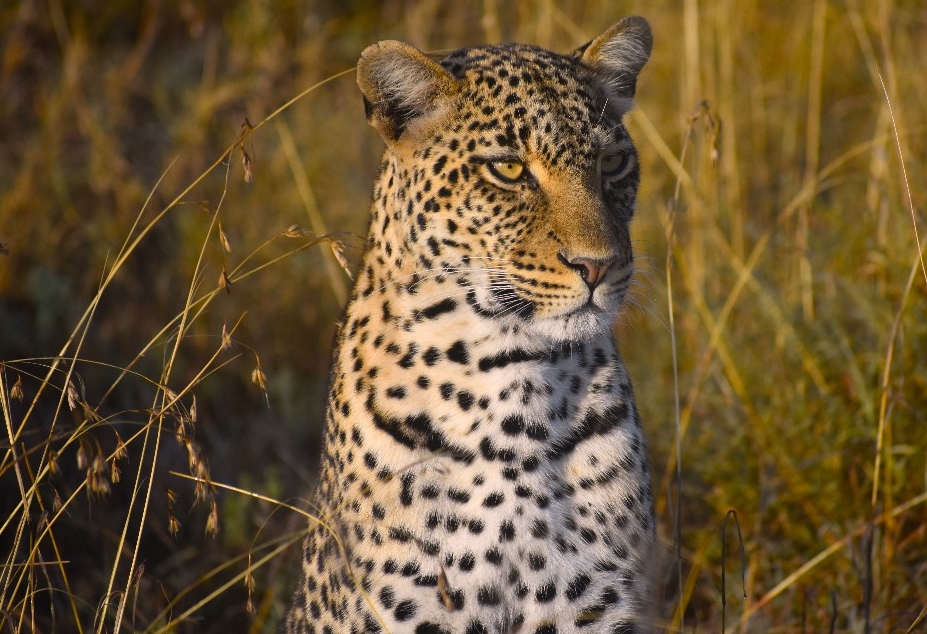
- Chimpanzees are a key attraction.
- Golden monkeys
- L’hoest monkeys.
- Servaline Genet
- Black fronted duiker
- African Civet
- Rwenzori sun Squirrel
- Side-striped jackals
- Rwenzori three-horned chameleon
What is the best time to visit the Park
Birding in Gishwati-Mukura National Park is good all year, but the best times are from January to June when birds are active. However, April is very wet, leading to interruptions due to rain. The dry season from June to September and December to February is ideal for birding and chimpanzee trekking because the trails are dry. Additionally, from November to April, the park attracts migratory birds. Overall, while birding is always possible, visiting during the dry season offers the best experience.
Dry Season (June to September)
Gishwati-Mukura National Park is wet year-round, but has a dry season from June to September. During June, July, and August, skies are clear, making hiking great. Daytime temperatures are around 19°C, and drop to 11°C at night. In September, the rain increases.
Wet Season (October to May)
You can expect regular rainfall with dry, sunny periods in between. Most rain happens in the afternoons, so mornings are ideal for activities. October, November, and December have a lot of rain, with November being the peak month. January and February are drier. From March to May, rain increases, peaking in April when hiking trails become slippery.
Getting to Gishwati Mukura National Park
Gishwati Mukura National Park can be reached by air or road. Visitors can fly into Kigali International Airport, and then drive for about 3-4 hours over 170 kilometers to the park. Alternatively, a chartered flight takes around 45 minutes. From Gisenyi (Rubavu), it is 35 kilometers away by road, and from Ruhengeri, it is 70 kilometers, taking 1-2 hours by road at an average speed of 60 km/h.