Birds to See in Gishwati Mukura National Park
Birds to See in Gishwati Mukura National Park, this newly established national park is one of the best birdwatching spots in Rwanda that attracts quite a number of visitors, especially birdwatchers and nature lovers. This maiden park is home to over 232 bird species, including 20 species that are endemic to the Albertine Rift. Some of these endemic birds include the White-necked Raven, Great Blue Turaco, Blue-headed Sunbird, and Black billed Turaco, among others.
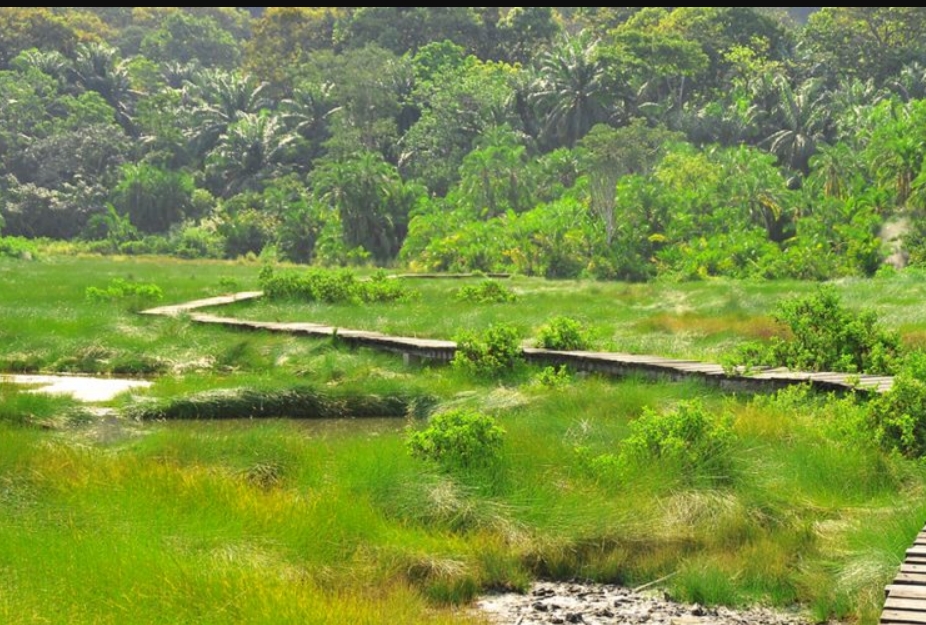
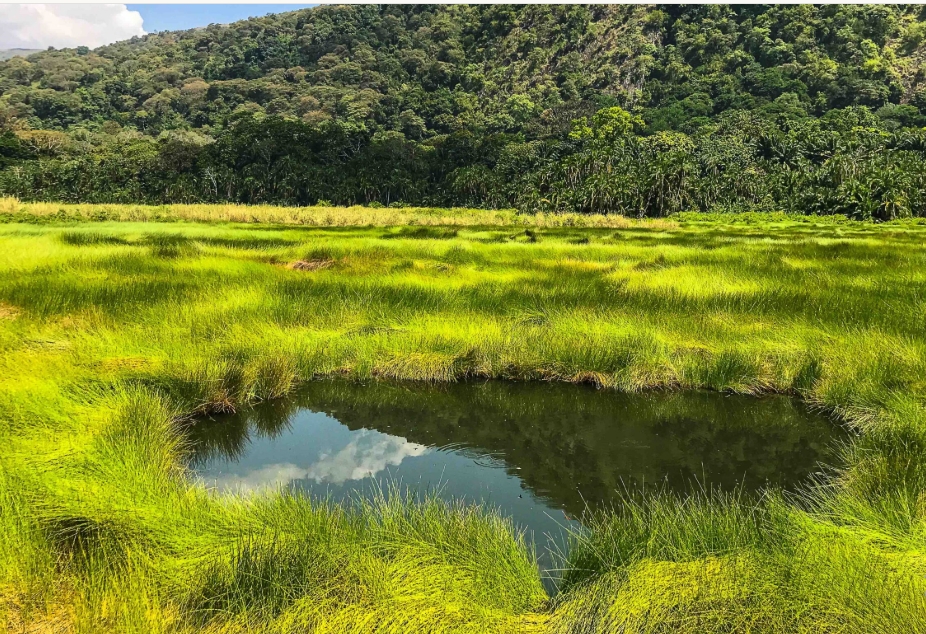
The park covers about 3,558 hectares in Rwanda’s Ngororero and Rutsiro districts and features over 60 tree species and diverse wildlife. During the 1994 genocide, many Rwandese found refuge in these forests, which led to issues like farming, deforestation, and illegal mining. Established in September 2015, Gishwati Mukura National Park offers good birding opportunities. With an experienced guide, you can spot many birds, including the Regal Sunbird, White-necked Raven, Great Blue, and Ruwenzori Turacos.
Birds to see in Gishwati Mukura National Park.
Birdwatchers who are planning to visit Rwanda should not miss out on species such as Purple-breasted Sunbird, Lagden’s Bushrike, Grey Crowned Crane, White-browed Crombec, Rwenzori Hill Babbler, Hooded Vulture, Red-throated Alethe, Rwenzori Turaco, Northern Double-collared Sunbird, Grauer’s Swamp Warbler, Purple-breasted Sunbird, Tullberg’s Woodpecker, Mountain Yellow Warblers, Rwenzori Batis, Dusky Crimsonwing, Martial Eagle, Black Crowned Waxbill, Strange Weaver, Regal Sunbird, and others.
Other birds include the Black-throated Apalis, Tawny Eagle, Malachite Sunbird, Mountain Buzzard, Blue-spotted Wood-Dove, Black Goshawk, Gray-headed Kingfisher, Rwenzori Batis, African Pipit, Black Cuckoo, Dusky-brown Flycatcher, African Stonechat, Hadada Ibis, Augur Buzzard, Cape Wagtail, Narina Trogon, Tropical Boubou, Black Cuckooshrike, Pied Crow, Angola Swallow, Stuhlmann’s Starling, Blue-headed Sunbird, Western Citril, among others. However, there is much more to Gishwati Mukura National Park than birding. The park houses other wildlife species such as the intelligent chimpanzees, olive baboons, red-tailed monkeys, duikers, and several other species.
How to access Gishwati Mukura National Park
The park can be accessed by both air and road transport; the entry point into Rwanda is through Kigali International Airport. By road, it takes about 3-4 hours covering over 170 kilometers from Kigali. More still, Gishwati Mukura National Park can also be accessed by air, using a chartered flight which takes about 45 minutes. However, from Gishenyi (Rubavu) by road, the distance covers 35 kilometers, and from Ruhengeri, it covers about 70 kilometers, and the maximum duration from these two points it takes 1-2 hours at an average speed of 60km per hour all over Rwanda by law.
Best Time to go birding in Gishwati Mukura National Park
Birding in Gishwati-Mukura National Park is good year-round, but the best time is from January to June when birds are most vocal. However, April can be very rainy, making trails slippery. The dry season, from June to August and December to February, is ideal for visiting as there is little rainfall, making it easier to navigate the park and enjoy activities like chimpanzee trekking. The park also attracts migratory birds from November to April.
Other Activities
Gishwati National Park offers more than birdwatching; it features chimpanzee trekking, hiking, biking the Congo Nile Trail, nature walks, and cultural experiences with nearby communities. These activities draw many visitors to explore its natural beauty.
Wildlife species
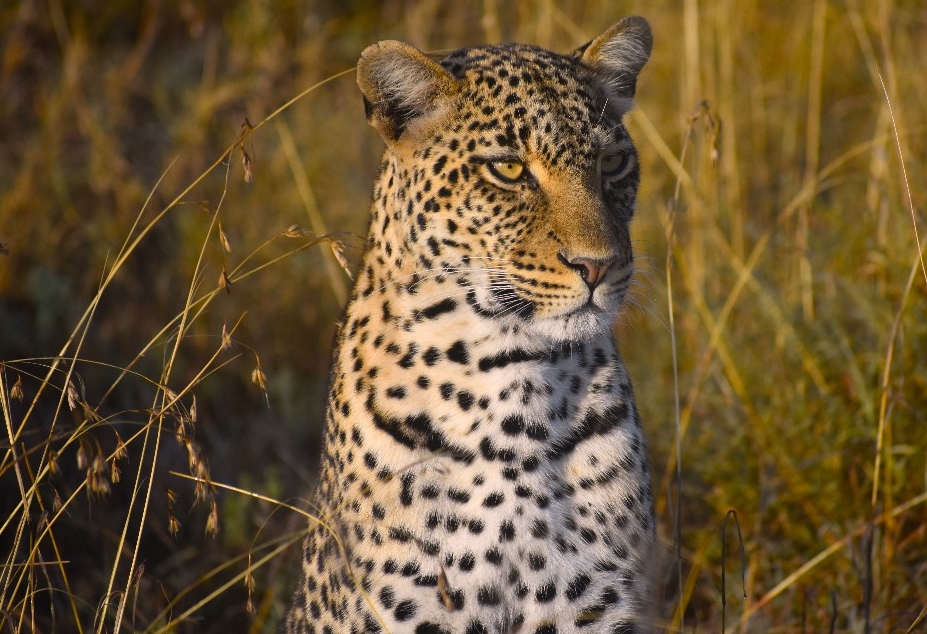
Since chimpanzees are the primary source of attraction, they as well share the forest with other primates such as the rare golden monkeys, L’hoest monkeys that are both enedemic to the Albertine Rift. Other wildlife species include the Servaline Genet, black fronted duiker, African Civet, Rwenzori sun Squirrel, side-stripped jackals, and they are occasionally seen trotting on the trail, and the rare Rwenzori three horned chameleon, among others.
What to pack for a birding tour in Gishwati Mukura National Park
If you are going on a birding safari in Gishwati Mukura National Park, Rwanda, you should pack binoculars, a good camera, and field clothes like rain gear and hiking boots. Bring light, closed, waterproof shoes, insect repellent, toiletries like tissues and hand sanitizer, a light backpack, extra batteries, and a power bank. Where to stay in Gishwati Mukura National Park on your birding tour in Rwanda?
Accommodation
Gishwati Mukura is a new national park in Rwanda with few lodging options. Birdwatchers can enjoy luxurious facilities like Forest of Hope and Gishwati Lodge, which offer activities such as chimpanzee tracking, nature walks, and photography. The lodge has six rooms for up to 12 guests and campsites for budget travelers.