Bird Species in Nyungwe Forest National Park
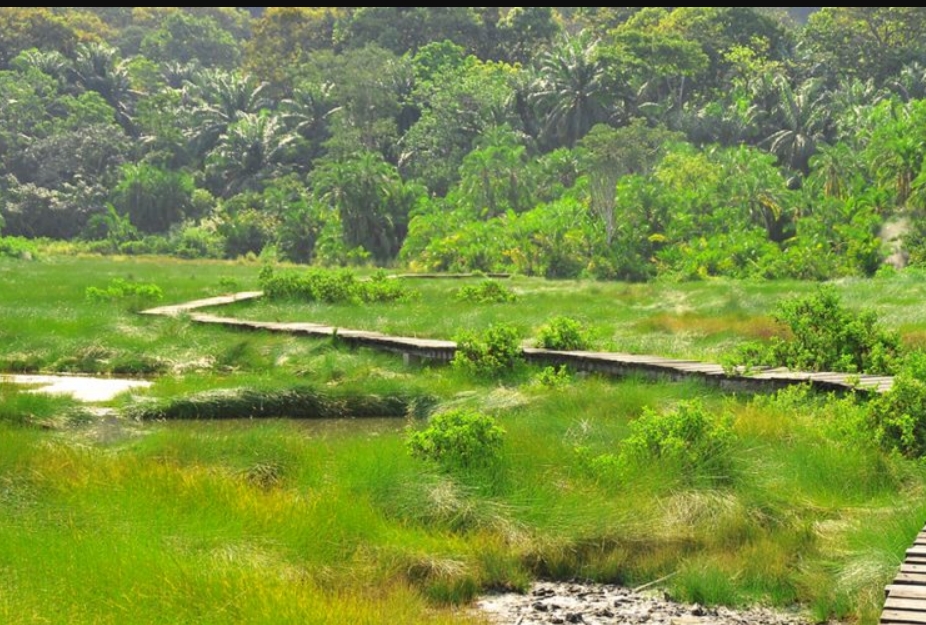
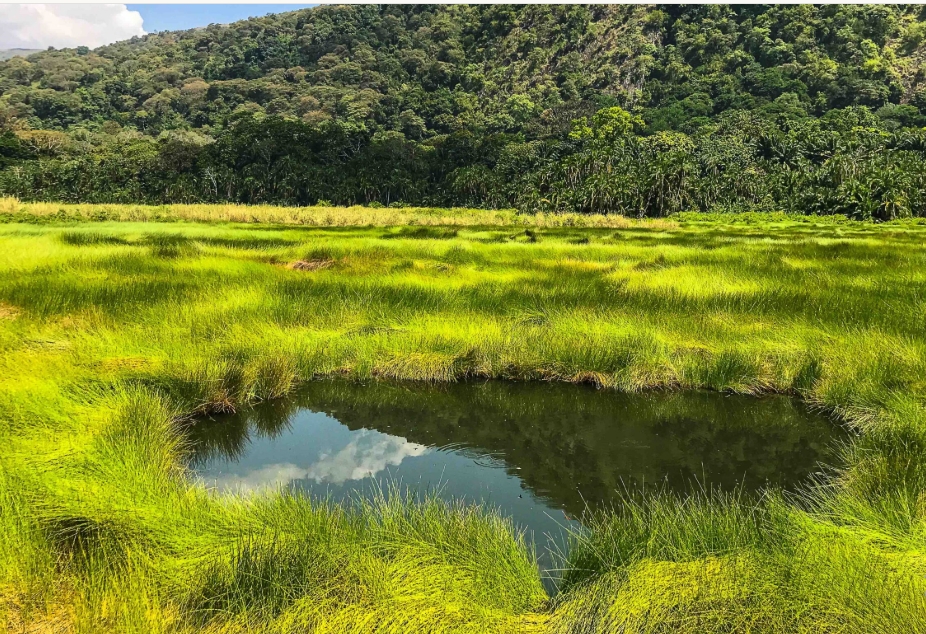
Bird species Nyungwe Forest National Park: This is one of the premier bird-watching destinations in Rwanda, boasting over 310 bird species, including notable ones like the Great Blue Turaco, Blue-headed Sunbird, Albertine Owl, and Rwenzori Turaco. Located in the western region of the country, it is one of Africa’s oldest and best-preserved montane rainforests. The park features diverse ecosystems, including forests, wetlands, and woodlands, that provide habitats for numerous bird species. In addition to its rich avian diversity, Nyungwe Forest National Park is home to more than 13 primate species, 1,019 tree species, 85 mammal species, 120 butterfly species, and 37 reptile species.
Visitors to Nyungwe can participate in various activities such as canopy walks, bird watching, nature walks, hiking, chimpanzee trekking, and colobus monkey trekking, attracting travelers from around the world. Bird enthusiasts will find the park to be a true haven, offering opportunities to observe various bird species, including those endemic to the Albertine Rift.

African Pied Wagtail
Bird species to see in Nyungwe Forest National Park.
Yellow-eyed Black Flycatcher, Stripe-breasted Tit, Handsome Francolin, Neumann’s Warbler, Red-collared Mountain Babbler, Red-throated Alethe, Mountain Masked Apalis, Dusky Crimsonwing, Dwarf Honeyguide, Purple-breasted Sunbird, Archer’s Robin Chat, Regal Sunbird, and the rare Ruwenzori Turaco are some of the remarkable bird species found in this region. Additionally, the Blue-headed Sunbird, Collared Apalis, Strange Weaver, Albertine Owlet, and Rockefeller’s Sunbird add to the diverse avian population, alongside the Ruwenzori Double-collared Sunbird, Dusky Twinspot, Grauer’s Rush Warbler, Shalley’s Crimsonwing, Ruwenzori Hill Babbler, and Grauer’s Broadbill, Red-collared Babbler.
Other noteworthy species include the Kungwe Apalis, Yellow-throated Nicator, Willard’s Sooty Boubou, and Doherty’s Bushshrike. Chapin’s Flycatcher and Red-faced Crimsonwing are also present, along with the Great Blue Turaco, Black-billed Turaco, and various herons such as the Black Crake, Common Sandpiper, Yellow-backed Weaver, and Papyrus Canary, African Pied Wagtail, Bar-tailed Trogon, Black-and-white Casqued Hornbill, and Crowned Hornbill contribute to the richness of this ecosystem.
In terms of pigeons, the African Green Pigeon, Olive Pigeon, and Tambourine Dove are notable highlights. The Grey Parrot, Black Bee-eater, White-headed Woodhoopoe, and Yellow-spotted Barbet add further diversity. Meanwhile, species like the Brown-capped Weaver, Olive Thrush, African Dusky Flycatcher, Grey-chested Illadopsis, and Scaly-breasted Illadopsis enhance the landscape.
Moreover, the Mountain Oriole, Chestnut Wattle-eye, Grosbeak Weaver, Dusky-blue Flycatcher, and Hairy-breasted Barbet showcase the variety of habitats available. Not to overlook, the Cattle Egret, Little Egret, Grey Crowned Crane, Black-crowned Night Heron, Squacco Heron, Black-headed Heron, and Grey Heron provide an interesting mix of aquatic bird species.
The region is also home to the African Sacred Ibis, White-faced Whistling Duck, Yellow-billed Duck, and Spur-winged Goose. Common species include the Red-eyed Dove, Bronze-naped Pigeon, and various owls like the African Scops Owl and African Wood Owl. Cuckoo species such as the Red-chested Cuckoo, Barred Long-tailed Cuckoo, and African Emerald Cuckoo can also be found here.
Finally, the Olive Woodpecker, Yellow-crested Woodpecker, Golden-crowned Woodpecker, Ashy Flycatcher, Kivu Ground Thrush, Holub’s Golden Weaver, Black-necked Weaver, and Stranger Weaver, along with Waller’s Starling, Red-headed Malimbe, Little Greenbul, Slender-billed Greenbul, Variable Sunbird, Copper Sunbird, Malachite Sunbird, Baglafecht Weaver, Snowy-headed Robin-chat, White-eyed Slaty Flycatcher, Sharpe’s Starling, and Vieillot’s Black Weaver round out this impressive list of avian life.
Best Time to Visit Nyungwe
Bird species in Nyungwe National Park can be seen year-round, but the best times to visit are during the dry seasons, typically from December to February and from June to September. During these months, there is minimal rainfall, making the birding trails less muddy and slippery, which facilitates easier access to the park and birding locations.
While the wet season, from March to May and October to November, is characterized by heavy rainfall, it still offers opportunities for birdwatching. This time can be advantageous for budget travelers, as travel companies and accommodations often provide discounts during the wet season.