Chimpanzees in Semuliki National Park
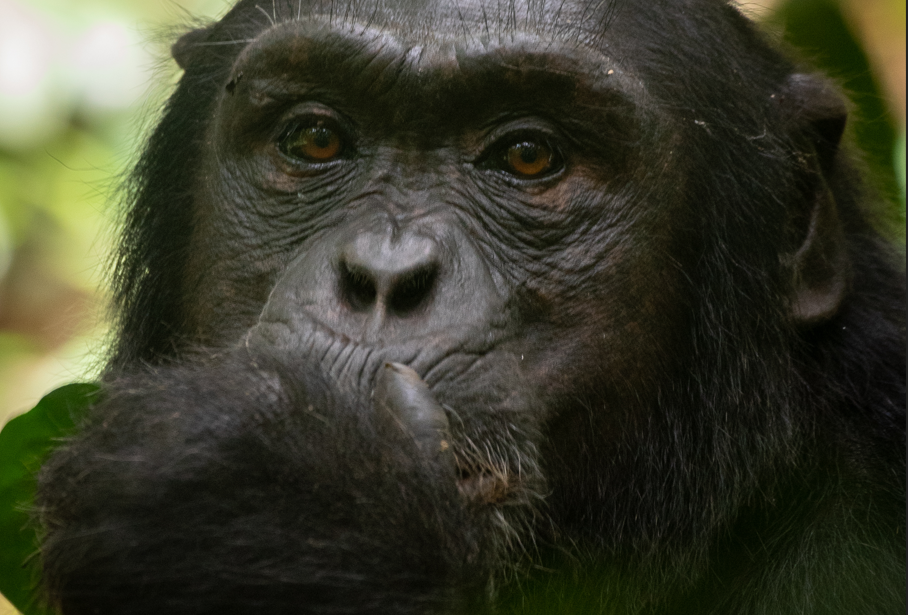
Chimpanzees in Semuliki National Park: The intelligent chimpanzees are part of the great ape family that includes gorillas, humans, bonobos and orangutans. They are known for being close cousins of man sharing about 98.8% of DNA with human beings. This is one of the primary reasons as to why travellers especially nature lovers and primatologists move from different parts of the world and come to Uganda to see unique chimpanzees.
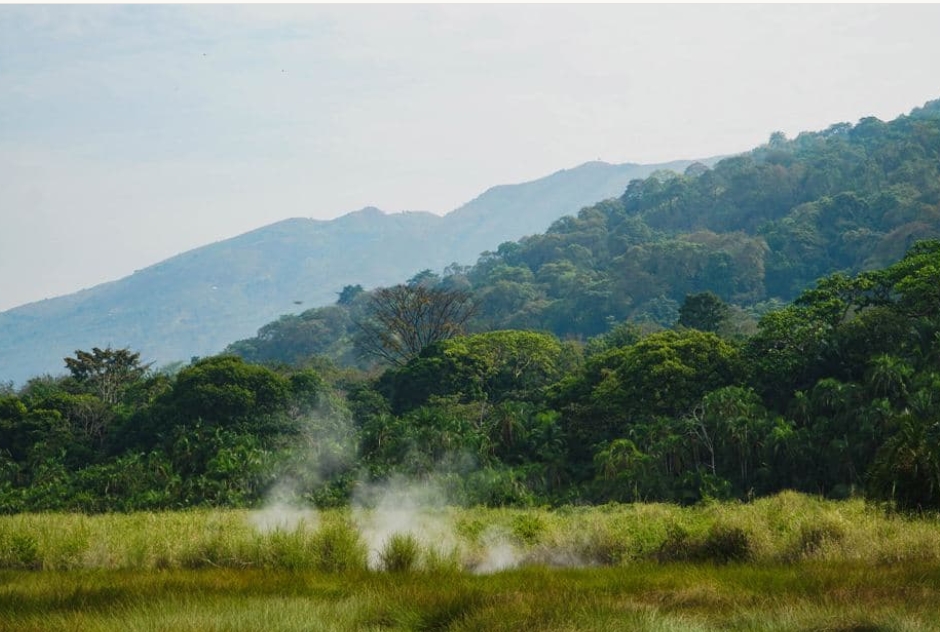
Uganda is one of the few countries in Africa, if not world wide to have the highest population of chimpanzees totalling to over 5000 individuals. In Uganda, chimpanzees are found in so many places and Semuliki Park is one of them. Semuliki national park is located along the border of Uganda with the Democratic Republic of Congo in Bundibudgyo district south of Lake Albert. One of Uganda’s smallest parks with over 220 sq. Km. It was gazetted in 1993 by the Uganda Wildlife Authority to protect its attractions of the park including chimpanzees and other species.
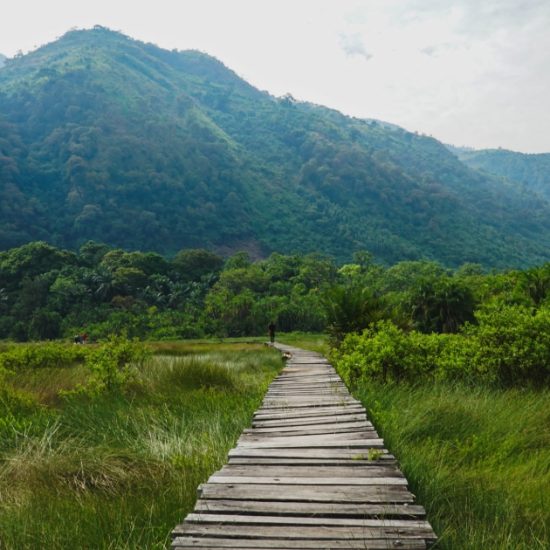
Not so many chimpanzees are in Semuliki but travellers can have chance on a luck day to see the few that are there can be trekked. So, the chimpanzees in Semuliki national park have been habituated and are open for chimpanzee trekking activities. Chimpanzees of Semuliki national park live in the lowland tropical rainforest and that is where visitors can find them during nature walk safaris.
Other animals in Semuliki national park
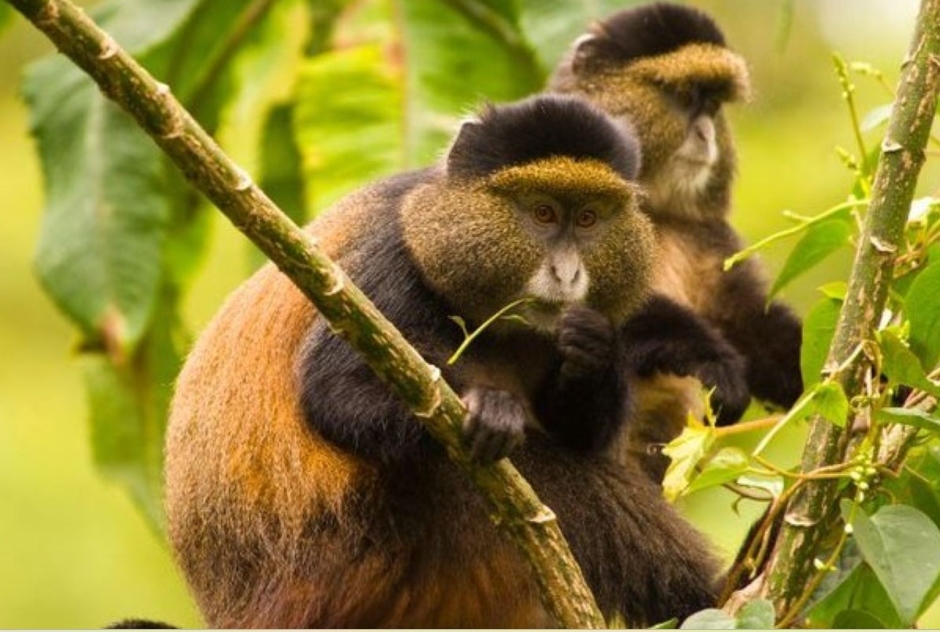
In addition to chimpanzees, Semuliki National Park is home to 53 animals and eight other primates. When visitors participate in the various park activities, all of these are visible. Forest elephants, leopards, Uganda kobs, blue monkeys, warthogs, crocodiles, olive baboons, sitatungas, forest giant squirrels, mangabeys, forest buffaloes, de Brazza’s monkeys, hippos, side stripped jackals, red colobus monkeys, black and white monkeys, and vervet monkeys are just a few of the creatures found in Semuliki National Park.
Other Wildlife Species (Birds)
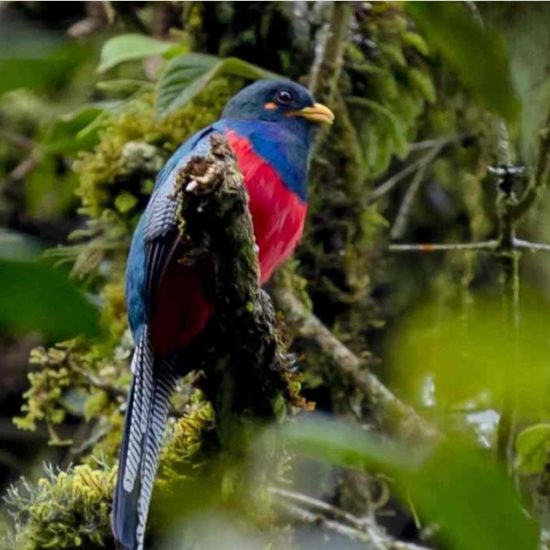
Birds to see in semuliki include Brown-chested alethe, hairy-breasted barbet, Blue-headed coucal, shoebill, yellow-throated cuckoo, Klaas’s cuckoo, yellow-throated tinkerbird, little greenbul, African grey parrot, grey-crowned crane, red-chested cuckoo, and Ayres’s hawk, African palm swift, wahlberg’s eagle, mountain buzzard, brown snake eagle, white-throated blue swallow, black-winged stilt, African sacred ibis, white-crested hornbill, eagle can all be seen in the Bwamba forest.
African woolly necked stork, Chocolate backed kingfisher, olive sunbird, Lizard buzzard, red billed dwarf hornbill, Common sandpiper, blue spotted wood dove, African pied hornbill, blue cheeked bee eater, barn swallow, lesser stripped swallow, little egret, white spotted flufftail, green white eye, white thighed hornbill, spur winged Lawping, grey kestrel, piping hornbill, African harrier hawk, shinning blue kingfisher, grey headed sunbird, long crested eagle, bronze naped pigeon, yellow billed stork yellow breasted forest robin.
Getting to Semuliki National Park
Semuliki is accessible to visitors by air or by car. Travellers typically take the road to go to the park from Kampala or Entebbe, passing through Mityana, Mubende, Kyegegwa, Kyenjojo, Fort Portal, and Bundibugyo. Travellers have a fantastic perspective of the many sites along the way, and the trip takes five to six hours.
Any of the regional airlines, such as Bar Aviation Uganda and Aerolink Uganda, are still available to those who wish to take flights to Semuliki Park. These airlines operate flights to Kasese Airstrip from Entebbe Airport and Kajjansi Airstrip. Travellers would need to spend many hours travelling by road from Kasese airport to Semuliki National Park.
Best Time to See Chimpanzees of Semuliki National Park
Chimpanzees can be seen by visitors to Semuliki National Park throughout the year, however certain months are better than others. The greatest times to see chimpanzees in Semuliki National Park are during the dry season, which runs from June to September and December to February. This is because to the trekking routes’ dryness and ease of traversing, as well as their short foliage and favourable chimpanzee views.
When visiting Semuliki Park during the wet season, visitors can still spot chimpanzees. Travellers should be aware that there is a lot of rain and little sunshine during the rainy season, which runs from March to May and October to November. Trekking trails are muddy and slick during the rainy season, and the dense undergrowth makes it difficult to see certain chimpanzees.