Honeymoon Safari Experience in Semuliki National Park
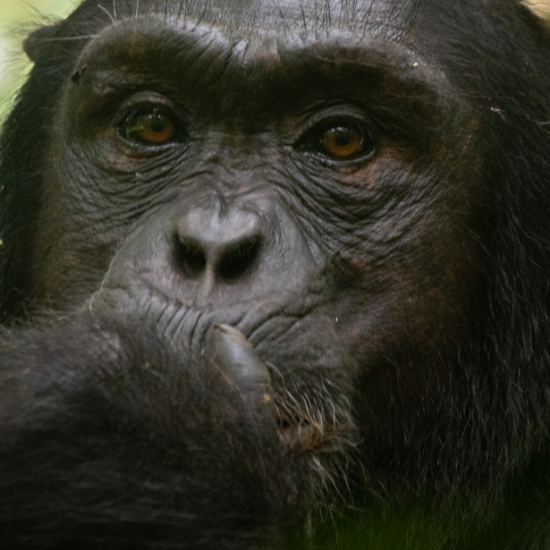
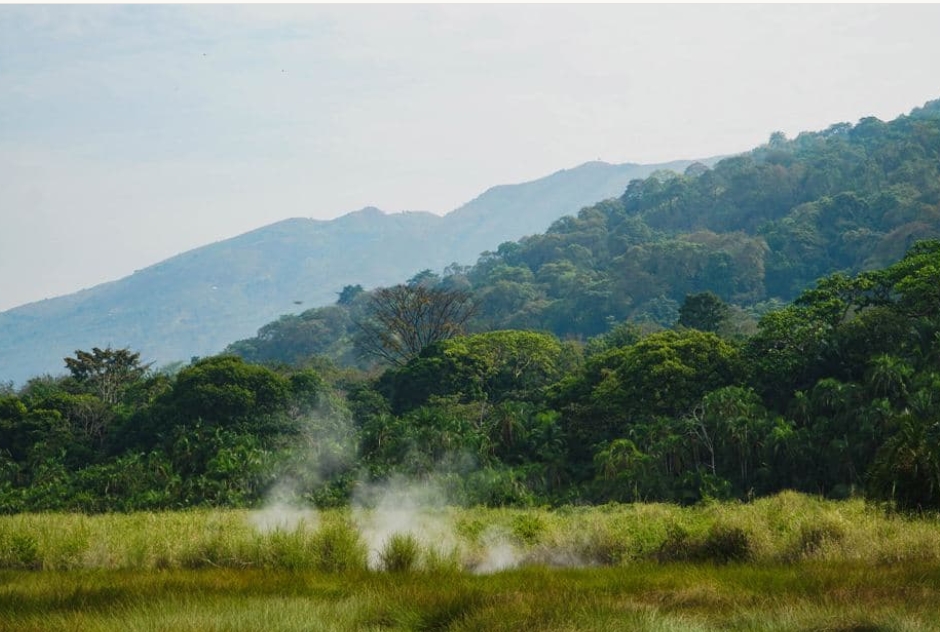
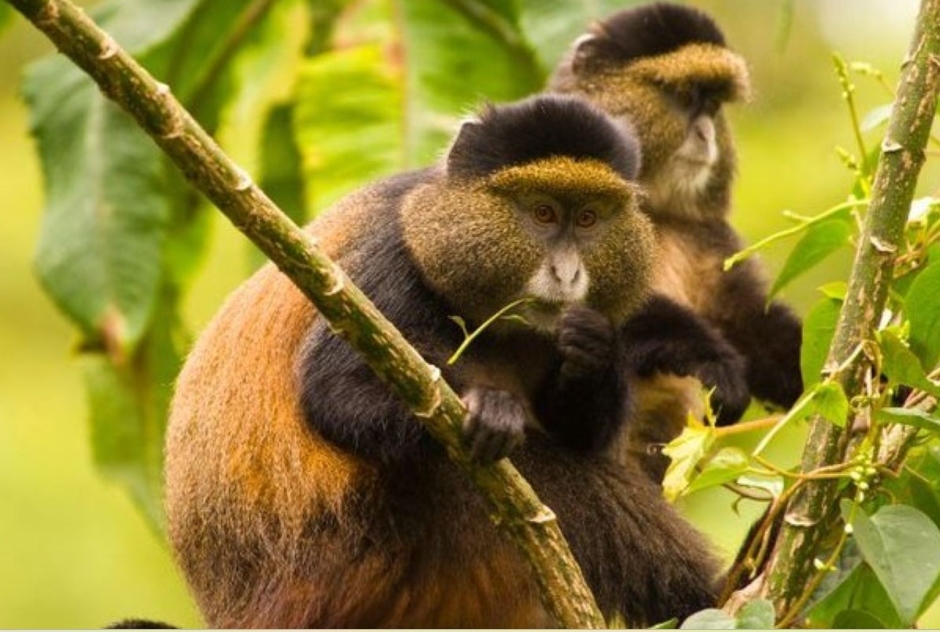
Honeymoon Safari Experience in Semuliki National Park: A honeymoon safari in Semuliki National Park is a safari experience that blends adventure, wildlife, and a romantic gate away among couples. Semuliki National Park is one of the best national parks in Uganda to visit during your honeymoon safari. Semuliki Park is located in western Uganda on the borders of the Democratic Republic Congo where it hosts 53 mammals, 9 primates, 453 bird species, 448 butterfly species, and 2 hot springs.
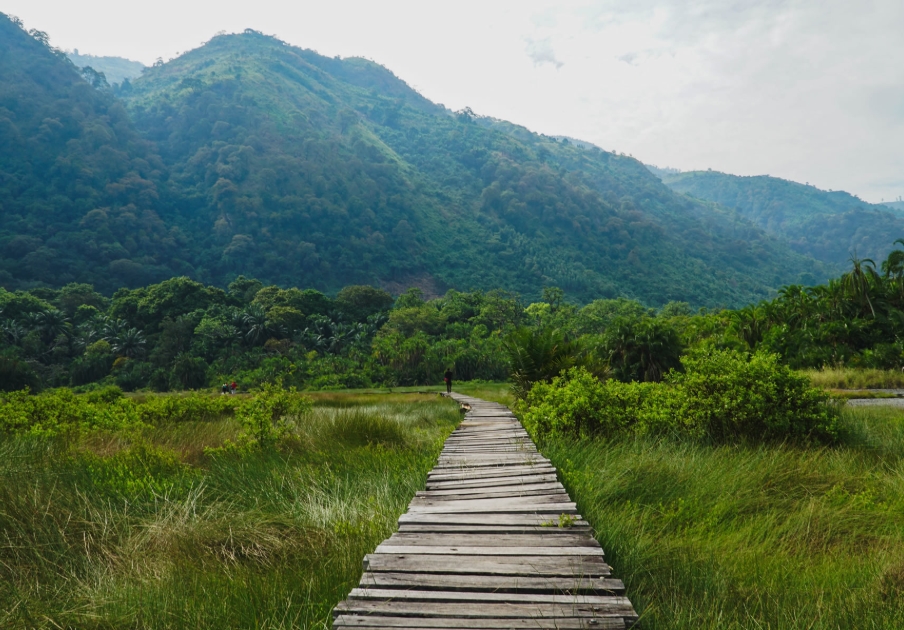
As honeymooners, this adventure safari will offer you chance to enjoy the beautiful scenery, unique wildlife, culture, and walks to the hot springs. Participating in some of the activities organized in the park will enable you have fun as part of creating amazing memories on your honeymoon safari.
During your honeymoon safari in Semuliki, you will have chance to explore the beauty of one of Uganda’s hidden gems in Semuliki Park. Besides the breathtaking landscape on your way to Semuliki, travellers, nature lovers and honeymooners have an opportunity of seeing some of the park’s top attractions, these include wildlife including mammals and bird species, hotsprings, Batwa people, butterflies, among others.
All the above attractions can be seen during various activities for honeymooners in Semuliki National Park in as discussed below.
Activities to do by Honeymooners in Semuliki National Park
Birding
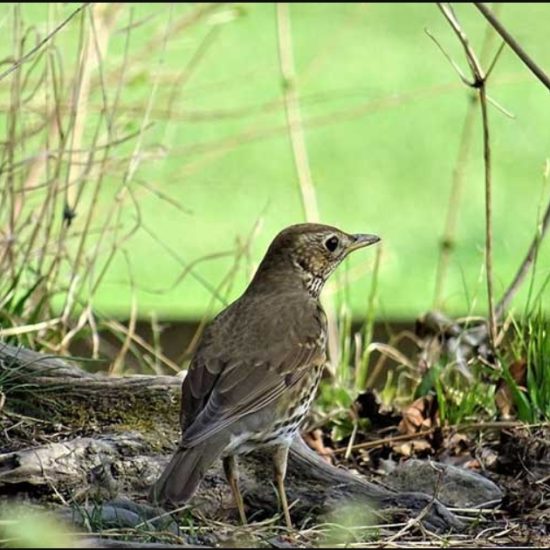
Honeymoon Safari Experience in Semuliki National Park: Semuliki Park is home to over 435 different species of birds, thus one activity you may engage in while there is bird watching. More than half of the known bird species may be seen in the greenery of Semuliki National Park, so honeymooners who enjoy birds can go bird watching. The activity is led by armed ranger guides.
Bird species to see in Semuliki Park by honeymooners include Eastern-bearded greenbul, Shoe bill stork, Grauer’s cuckoo-shrike, Leaf-love, Grant’s bluebill, Yellow-throated cuckoo, Ross’s Turaco, Yellow-throated nicator, Black-dwarf hornbill, yellow-throated nicator, Red-rumped Tinkerbird, White-throated Blue Swallow, Piping Hornbill, White-bellied kingfisher, Hartlaub’s duck, Maxwell’s black weaver, Black Dwarf Hornbill, White-crested hornbill, and Orange-tufted sunbird.
Other birds include the Yellow-throated Nicator, Western Bronze-naped Pigeon, African pygmy goose, Spot-breasted Ibis, great white pelican, Crested Malimbe, Red-billed dwarf hornbill, Malachite kingfisher, Spotted honeyguide, of Semuliki Park include Congo serpent eagle, Gabon woodpecker, Bates nightjar, Capuchin Babbler, Long tailed hawk, Sassi’s olive greenbul, Chestnut owlet, Black-throated coucal, Red-billed Dwarf hornbill, Dusky nightjar, Black-chinned Quail Finch, and Orange-cheeked Waxbill, among others.
Batwa Cultural Visit
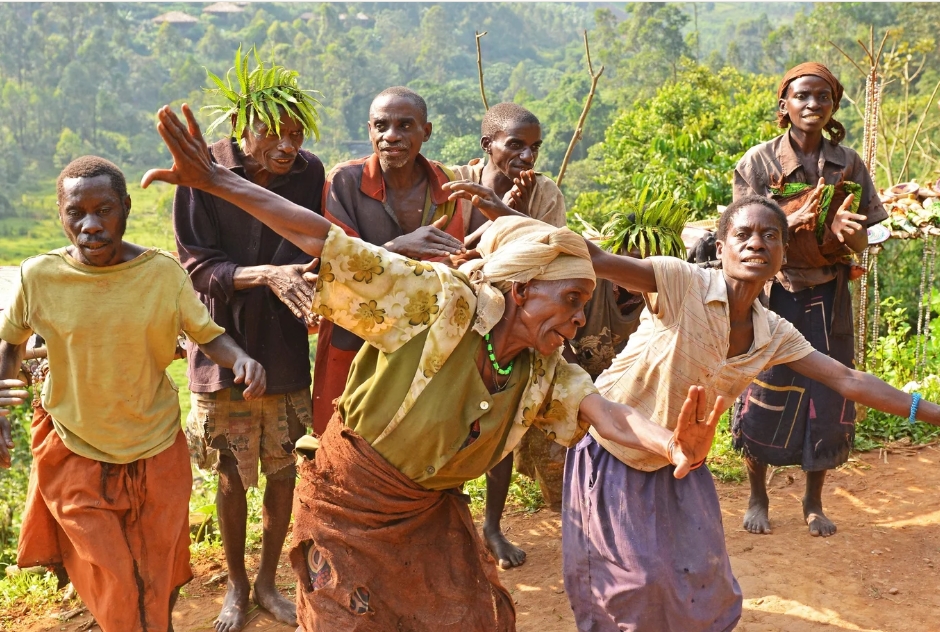
Honeymoon Safari Experience in Semuliki National Park: Every traveller who is passionate about African culture would definitely love to visit Batwa on a safari to Semuliki national park. Batwa who used to live in the forest of Semuliki park before it was gazetted now lives around the park boundaries in villages like Ntandi and Boma where tourists can meet them.
You can engage with the Batwa and gain some insight into their way of life and occupation by visiting them. You can visit any of the Batwa’s villages with the help of a local guide. Traditional dancers from the area will greet you upon arrival, and you will then be shown around various homes. Additionally, you will encounter elderly people who will share tales from long ago.
Accommodation on a Honeymoon Safari in Semuliki National Park
Due to the scarcity of lodging options in Semuliki National Park, honeymooners who wish to stay in better accommodations must book early to avoid last minute disappointments. Among the top lodges in Semuliki Park for a honeymoon safari are Semuliki Safari Lodge, Kyaninga Lodge, and Ntoroko Game Lodge.
What is the Best Time to Have Honeymoon Safaris in Semuliki National Park?
The best time to go on a honeymoon safari in Semuliki National Park is during the dry season, but it can happen at any time of year. Every year, the dry season, which runs from June to September and December to February, is marked by lots of sunshine and little to no rainfall. The park’s walking trails are dry and easy for lovers to navigate, and the short, dispersed greenery offers nice views of the park’s attractions.
Semuliki Park is open to lovers whose honeymoons fall during the rainy season. However, honeymooners should be aware that there will be little sunshine and a lot of rain from March to May and October to November. As a result, the foliage is dense and tall, making it difficult to see park attractions, and the walking routes are muddy and slick.