Is Semuliki National Park Worth Visiting
Is Semuliki National Park Worth Visiting is a frequently asked question by travellers planning their safari in the park. Yes, Semuliki is worthy of visiting, and this is witnessed in this article as discussed below. Uganda supports diverse attractions such as wildlife and vegetation zones that people flock to all year round to explore the beauty of Semuliki National Park.
Semuliki National Park is among the newly gazetted national parks located in western Uganda in the Bundibugyo district along the border of Uganda with the Democratic Republic of Congo. It was established in 1993 as a national park and today protects over 53 mammals, 9 primates, 435 bird species, and 448 butterflies.
Visitors should expect a lot during their safari in Semuliki National Park since the park has several attractions they can see and those they can actively participate in once they indulge in various park activities. Some of these activities include nature walks, hotspring visits, birding, butterfly watching, and cultural tours. All these will offer you a chance to explore the beauty and attractions of the park.
Attractions to See on a Safari in Semuliki National Park
Animal Species
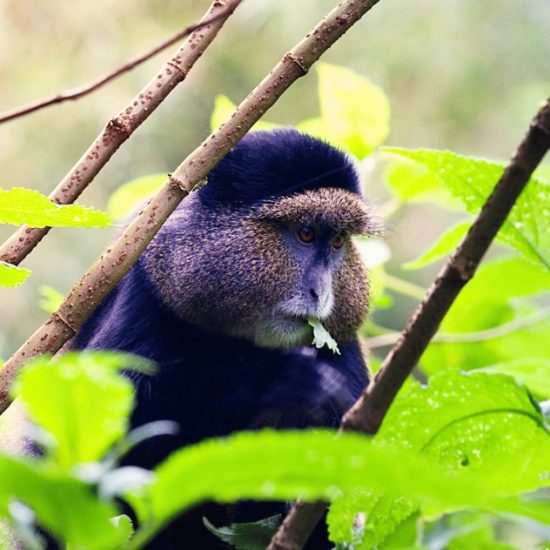
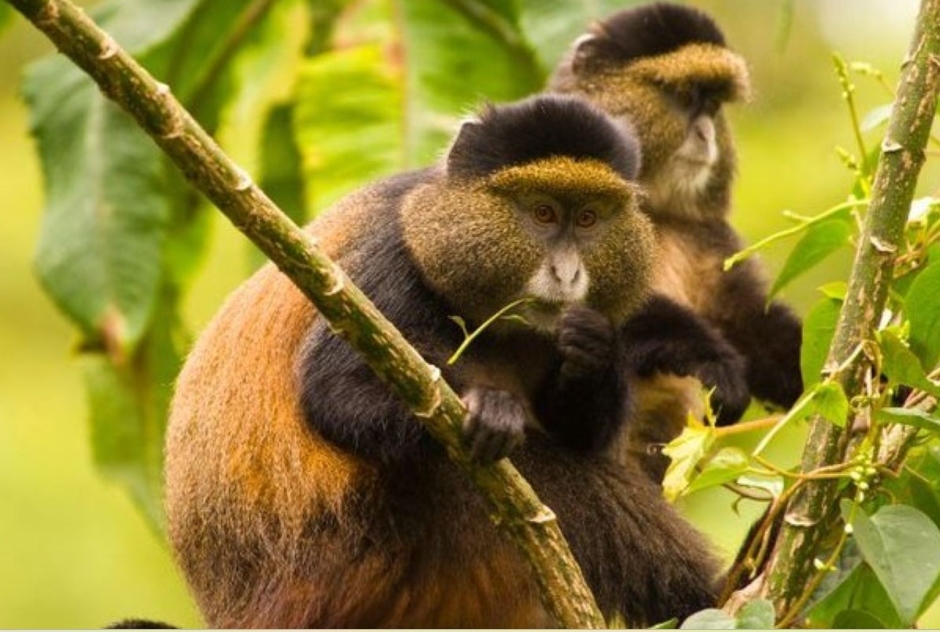
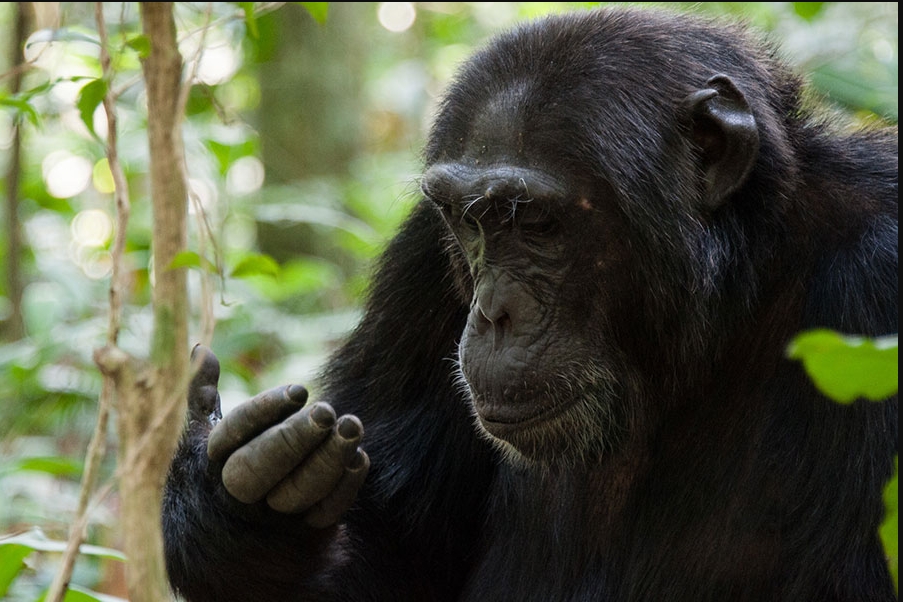
Chimpanzees are among the 9 primates and more than 53 mammals found in Semuliki National Park. The majority of these creatures can be seen during park activities, including nature walks, chimpanzee viewing, and many more while on a safari at Semuliki National Park. De Brazza’s monkeys, vervet monkeys, red colobus monkeys, blue monkeys, black and white monkeys, olive baboons, and mangabeys are among the primates found in Semuliki National Park.
Forest red elephants, Uganda kobs, crocodiles, sitatungas, warthogs, forest giant squirrels, hippos, leopards, forest buffaloes, and side-striped jackals are just a few of the mammals that visitors can anticipate seeing. Semuliki National Park does not offer game drives; thus, visitors may only observe these creatures on nature walks.
Bird species in Semuliki
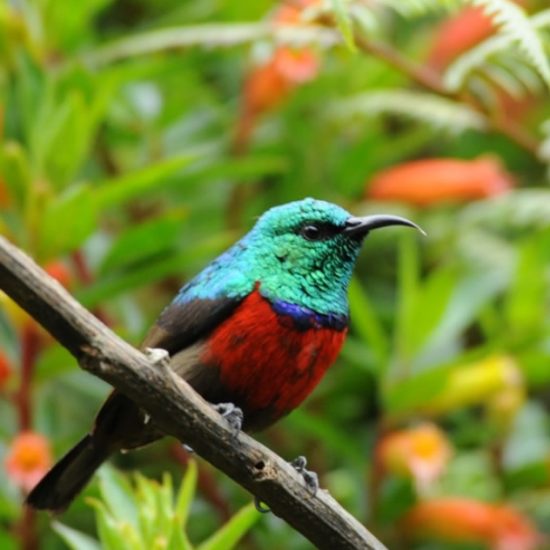
Semuliki National Park hosts over 435 bird species, most of which can be spotted by birdwatchers on a birding safari in the park. Bird species to see include the orange-cheeked waxbill, great blue turaco, white-throated blue swallow, white-crested hornbill, blue-headed crested flycatcher, black dwarf hornbill, lemon-bellied crombec, white-thighed hornbill, black dwarf hornbill, and lyre-tailed honeyguide.
Other birds are the purple-breasted sunbird, crested malimbe, red-billed dwarf hornbill, white-bellied kingfisher, chestnut owlet, black dwarf hornbill, yellow-throated nicator, shoebill stork, Grauer’s cuckoo-shrike, Hartlaub’s duck, swamp palm bulbul, Zenker’s honeyguide, spot-breasted ibis, Gabon woodpecker, long-tailed hawk, Congo serpent eagle, and black-casqued wattled hornbill, among others.
Butterflies
The park hosts the highest population of butterflies in Uganda, totaling over 448 species. On a safari to the park, nature lovers with a passion for butterflies should expect to see a good number of them. These butterfly species include common nephele, widespread forester, zebra pyrale, Euphaedra rattrayi, Euphaedra hollandi, Euphaedra alacris, common mother of pearl, Becker’s creamy yellow glider, and Cadarena pudoraria, the coffee berry moth.
Marcipalina umbrosa, Andriasa contraria, pikachu moth, veined swordtail, Cymothoe confusa, Catuna crithea, Euphaedra eberti, Neuroxena ansorgei, common glider, Amata marina, common glassy Acraea, Euphaedra edwardsii, Mylantria xanthospila, Biston abruptaria, Nemetes sailer, mulberry hawkmoth, angular glider, Lycoa Acraea, and Choroclanis virescens are additional butterflies that can be seen in Semuliki National Park.
Hot springs in Semuliki Park
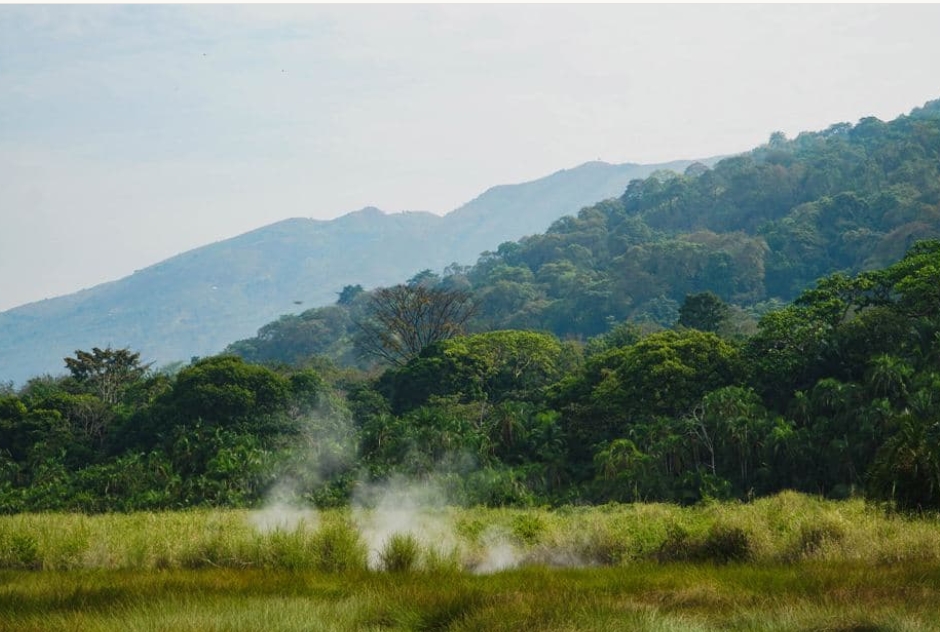
Is Semuliki National Park Worth Visiting: There are two hot springs within Semuliki National Park that visitors are welcome to use whenever they happen to visit. There are two types of hot springs in Semuliki Park: female and male, with the former being more well-liked. The water in the female hot spring is over 100 degrees Celsius, and the way the geyser releases its water is breathtaking.
The waters in Semuliki Park’s hot springs, particularly the female hot springs, are so hot that visitors can boil eggs if they have the time. When tourists have the opportunity to visit Semuliki Hot Springs, they will be ecstatic to witness the hot water boiling and shooting out of the ground. You will be able to witness some of the park’s wildlife species that live in the greenery around the hot springs.
Cultural visits to local villages
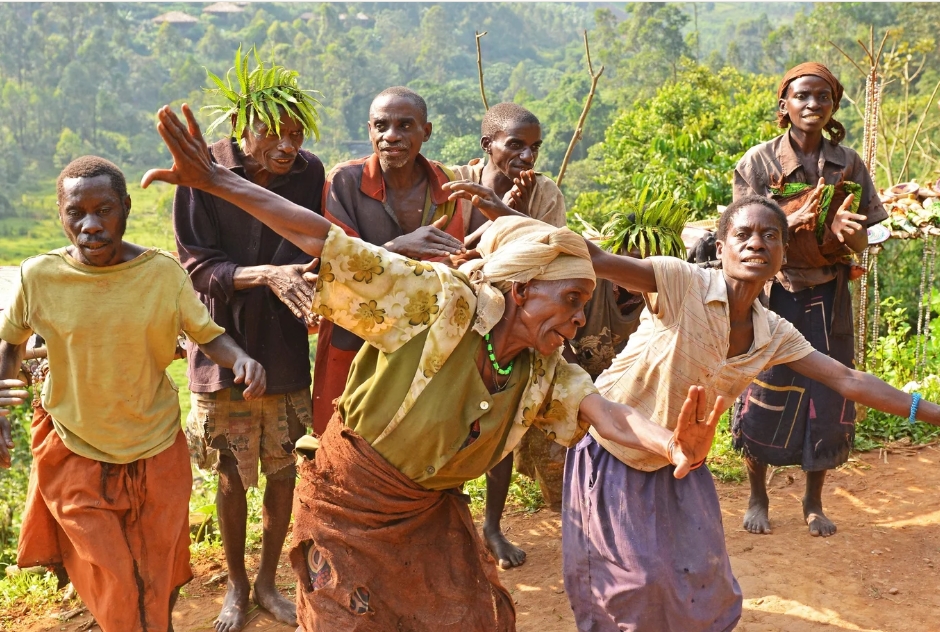
Uganda is home to numerous cultures, including the Batwa Pygmies in the vicinity of Semuliki National Park. Before the authorities drove them out while they were gazetting the park, the Batwa pygmies had been residing inside Semuliki National Park for many years. They chose to remain close to the park after being evicted, and they are now located at Ntando Villa or Boma Village.
If you enjoy African culture, you ought to expect to see the Batwa pygmies during your safari in Semuliki Park. You can learn about their culture, hear tales from the past, and discover what they do for a living now by visiting the Batwa. The Batwa’s traditional dancers entertain visitors and teach them how to cook and even sew clothing.
Wide range of accommodation options
Semuliki National Park is able to accommodate a large number of visitors who choose to spend one or more nights there. There are several different lodging alternatives available in the national park, ranging from affordable to luxurious. Inside or outside the national park, a visitor stays in a lodging that fits their budget. Camping enthusiasts can stay at the Bumaga campsite with their own tents or rent them from the park.
When is the best time to visit Semuliki
Is Semuliki National Park Worth Visiting: Travelers can visit Semuliki National Park at any time of year. However, the dry season, which runs from June to September and December to February, is the ideal time to visit. The majority of park activities are made possible by the favorable weather at this time, which is marked by little to no rainfall and lots of sunshine. The vegetation is short and offers nice views of the sights, while the walking routes are dry and simpler to stroll on.
During the rainy season, which runs from March to May and October to November, visitors can still visit Semuliki Park. Visitors should be aware that certain park activities are impacted by the excessive rainfall and lack of sunshine during this time. In addition to making the walking routes muddy and slick, excessive rainfall encourages the rapid development of vegetation, which obscures views of several of the park’s highlights.