Birds of Queen Elizabeth National Park.
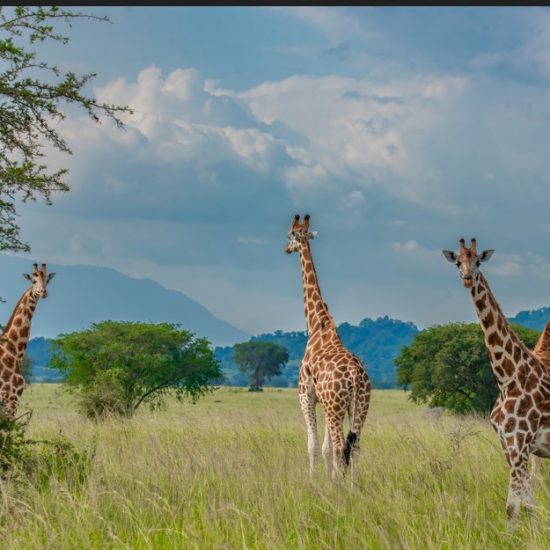
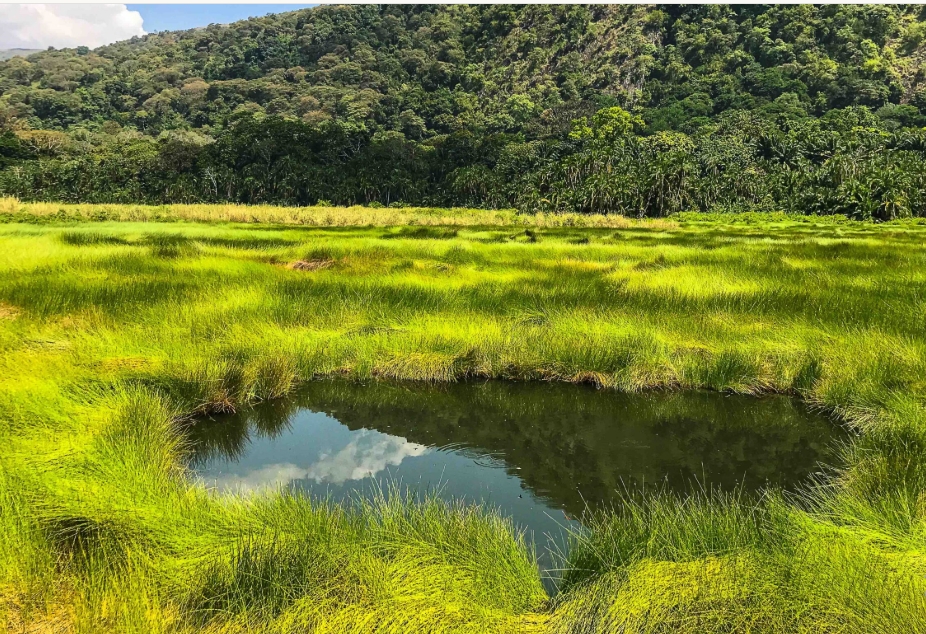
Birds of Queen Elizabeth National Park: Queen Elizabeth National Park is a true birder’s haven situated in the southwestern region of Uganda. The park was categorised as an important birding area by BirdLife International due to its rich birdlife. It’s one of the most visited national parks in Uganda, attracting visitors from around the world to explore the park’s wonders. Queen Elizabeth National Park is blessed with various natural systems, including wetlands, woodlands, tropical forests, lakes, and savannah grasslands that provide a habitat to various wildlife species.
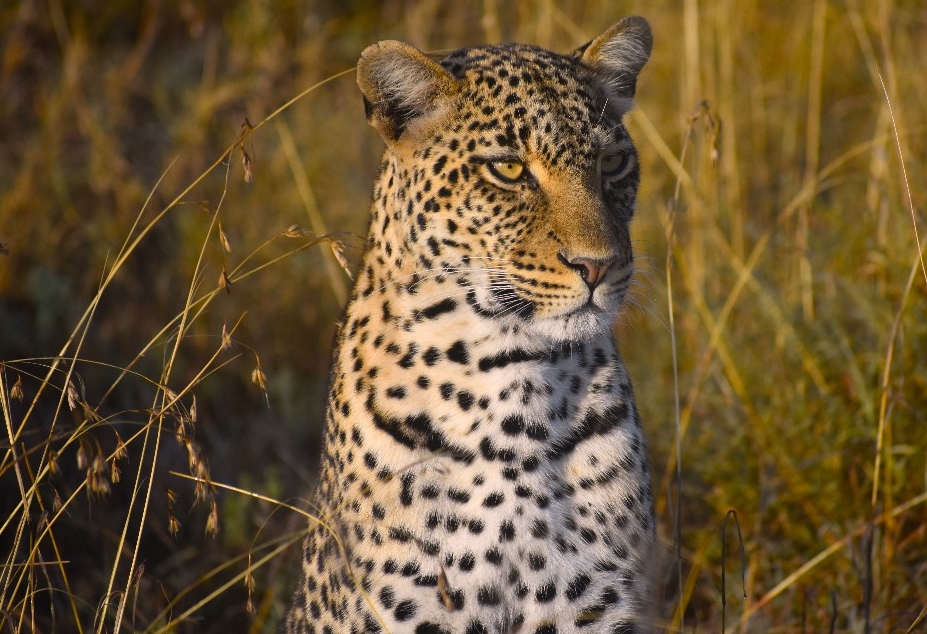
It hosts up to 97 mammal species including the African Big Four, elephants, lions, leopards and buffaloes, 12 primate species, such as the playful chimpanzees. Queen Elizabeth National Park is home to over 600 bird species, including the migratory birds, forest birds, water birds and savannah bird species. This makes it the only park in East Africa with highest number of bird species. It has various spots suitable for birding with unique bird species like Kyambura Gorge, Katungulu Bridge, Maramagambo Forest, Kasenyi, and Mweya Peninsula. This blog will give you a list of birds to encounter on your bird watching safari in the park.
Birds of Queen Elizabeth National Park.
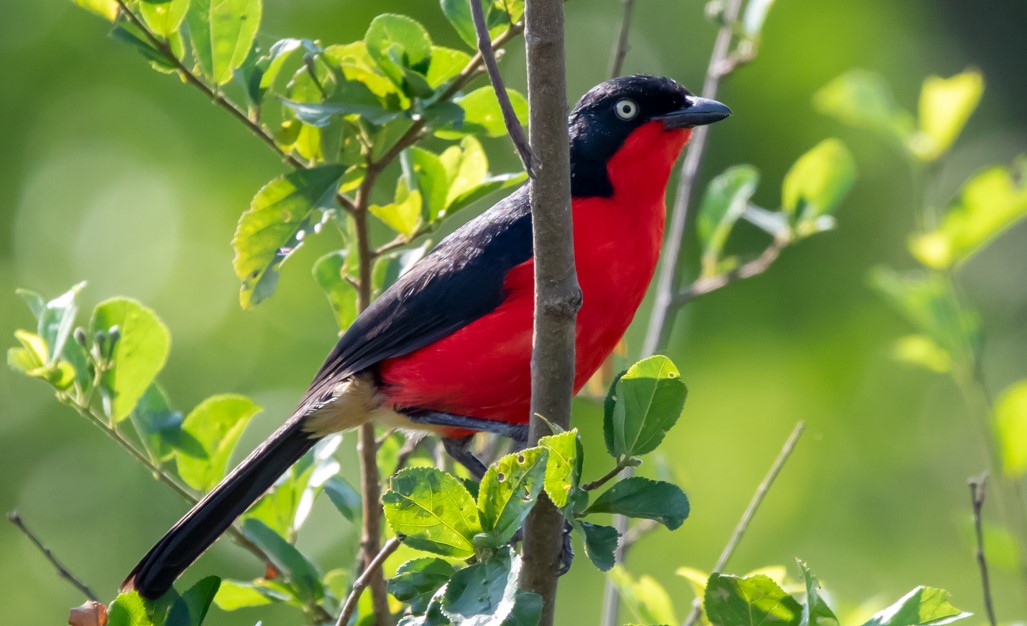
Bird lovers will find the park a paradise for bird watching, with over 600 bird species. It gives visitors an opportunity to explore the park’s birding sites, such as Mweya Peninsula, Katungulu Bridge, Kyambura Gorge, Maramagambo Forest, Katwe, all providing unique opportunities of spotting unique bird species. Bird species to encounter on a birding safari in the park include Crested Guineafowl, Nahan’s Partridge, Crested Francolin, the elusive Shoebill Stork, Bateleur, Pied Avocet, White-backed Duck, Black-bellied Plover, Knob-billed Duck, Egyptian Goose, Spur-winged Goose, African Pygmy-Goose, White-faced Whistling-Duck, Yellow-billed Duck, Great Blue Turaco, Grey-crowned crane, Long-crested Eagle, Red-billed Duck, Northern Pintail, Green-winged Teal, Helmeted Guineafowl, Western Coqui Francolin , Harlequin Quail, Common Quail, Blue Quail, Red-winged Francolin, Ring-necked Francolin, Red-necked Spurfowl, Scaly Spurfowl, Hildebrandt’s Spurfowl, Handsome Spurfowl , Rock Pigeon, Speckled Pigeon, Afep Pigeon, Rameron Pigeon, Western Bronze-naped Pigeon, Red-eyed Dove, Mourning Collared-Dove, Black and white Casqued Hornbill, Blue-billed Teal, Blue-billed Teal, African Black Duck, Yellow-billed Duck.
Others include, Black-throated Coucal, Blue-headed Coucal, White-browed Coucal, Olive Long-tailed Cuckoo, Levaillant’s Cuckoo, Dideric Cuckoo, Olive Long-tailed Cuckoo, Dusky Long-tailed Cuckoo, Slender-tailed Nightjar, Plain Nightjar, Olive Long-tailed Cuckoo, Black-winged Pratincole, Marabou Stork, Black Heron, Slender-billed Gull, Greater Flamingo, Reed Cormorant, Great Crested Grebe ,Dusky Turtle-Dove, Black-billed Wood-Dove, Emerald-spotted Wood-Dove, Blue-spotted Wood-Dove,Tambourine Dove, African Green-Pigeon, Black-bellied Bustard, Denham’s Bustard, Eastern Plantain-eater, Bare-faced Go-away-bird, Rwenzori Turaco, White-crested Turaco, Black-billed Turaco, ,Black-tailed Godwit, Pennant-winged Nightjar, Nubian Nightjar, Common Cuckoo, Red-chested Cuckoo, Pied Cuckoo, Freckled Nightjar, Dideric Cuckoo, Blue-headed Coucal, Great Spotted Cuckoo, Montane Horus Swift, Gray-throated Rail, African Finfoot, Spotted Thick-knee, Eurasian Thick-knee, Pied Avocet, Senegal Thick-knee, Nightjar, African Emerald Cuckoo, Black Cuckoo, Dideric Cuckoo, Alpine Swift, Cassin’s Spinetail, Alpine Swift, Mottled Swift, Common Swift, Little Swift, African Crake, Lesser Moorhen, African Swamphen, Red-knobbed Coot, , Forbes’s Plover, Crowned Lapwing, Common Ringed Plover, Long-toed Lapwing, Caspian Plover, Pacific Golden-Plover, Three-banded Plover, Brown-chested Lapwing, Kittlitz’s Plover, Green Sandpiper, Terek Sandpiper, Green Sandpiper, Common Greenshank, Ruddy Turnstone, Great Snipe, Lesser Jacana, Dunlin, Black-rumped Buttonquail, Rock Pratincole, White-naped Pigeon, Western Bronze-naped Pigeon, Ring-necked Dove, Vinaceous Dove, Laughing Dove, Blue-spotted Wood-Dove, and more.
Best Time for Birding in the park.
The park can be visited throughout the year, and the best time to see birds of Queen Elizabeth National Park hinges on an individual’s interest. It receives two season: the wet season and the dry season. The wet season runs from October to November and March to May, this season receives enough rainfall, and the tracks are muddy and slippery making it challenging to penetrate it. The dry season runs from June to September and December to February, during this period the park receives no rainfall and the tracks are dry making it easy to penetrate it.