Birds of Nyungwe Forest National Park.
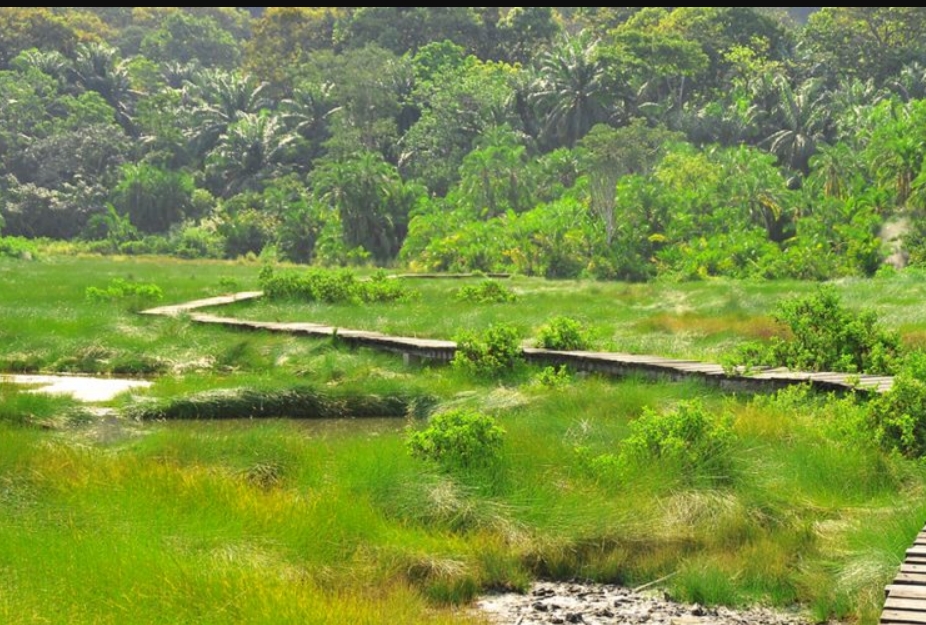
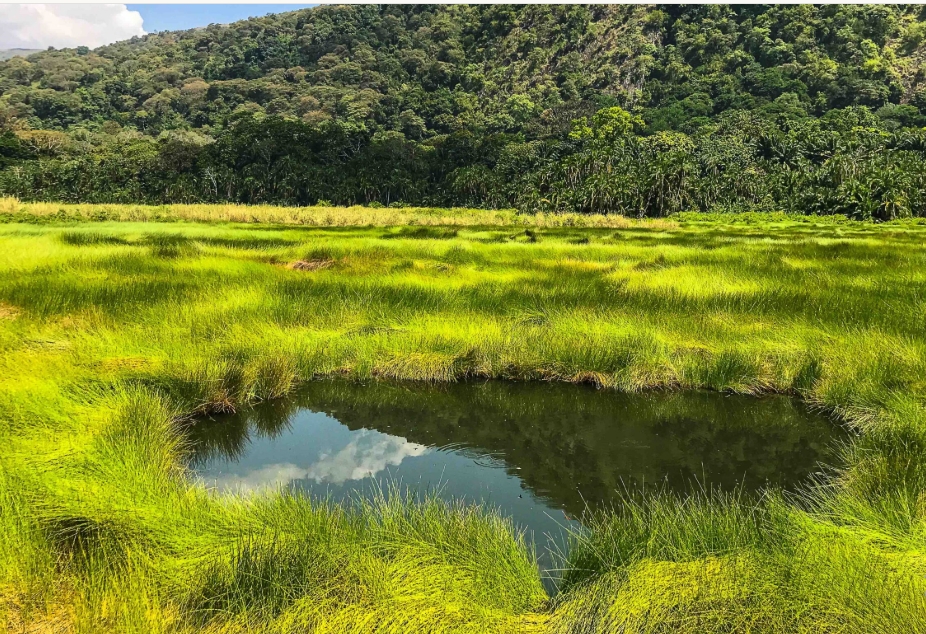
Birds of Nyungwe Forest National Park: It is one of the most visited sites for bird watching in Rwanda, situated in the southwestern region. It’s one of the remaining ancient tropical rainforests in Africa, covering an area of about 1019 square kilometres. Famous for its diverse ecosystems like woodlands, wetlands, grasslands, and forests, which provide a habitat for its rich biodiversity. The park hosts over 13 primate species, 120 butterfly species that beautify the park, 1687 plant species, including orchids.
Bird lovers will find the park a haven for bird watching due to its rich birdlife with over 322 bird species, of which 29 bird species are endemic to the Albertine Rift valley, and they are unique to only this region. The park is one of the important places for bird watching in Rwanda and a UNESCO heritage site due to its rich biodiversity. It has various activities that tourists can enjoy while in the park, including the famous canopy walk, chimpanzee trekking, nature walk, hiking, colobus monkey tracking and bird watching, as it’s the best place to enjoy a bird watching safari in Rwanda.
Birds of Nyungwe Forest National Park.
- Collared Sunbird.
- Blue-headed Sunbird.
- Spotted Eagle-Owl
- Black-necked Weaver
- Red-headed Weaver
- Red-necked Spurfowl
- Scaly Spurfowl
- Blue Quail
- Red-winged Francolin
- Common Quail
- Handsome Spurfowl
- Red–wringed Francolin
- Harlequin Quail
- Purple-breasted Sunbird.
- Olive Sunbird.
- Scarlet-chested Sunbird.
- Red- chested Sunbird
- Bronze Sunbird
- Regal sunbird
- Rockefeller’s Sunbird
- Variable Sunbird.
- Copper Sunbird
- Northern double-collared sunbird
- Swamp Flycatcher
- African Dusky Flycatcher
- Ashy Flycatcher
- Yellow-eyed Black- Flycatcher
- Cape Robin-chat
- Red-Capped Robin-chat
- Archer’s Robin-Chat
- Red-throated Alethe
- Sooty chat.
- Black-necked Weaver
- Red-headed Weaver
- Holub’s Golden-Weaver
- Village Weaver
- Dark-backed Weaver
- Strange Weaver
- Brown-capped Weaver
- Lesser Masked-weaver
- Red-collared Mountain-Babbler
- Arrow-Marked Babbler
- Black-Lored Babbler
- Red-chested Owlet
- Albertine Owlet
- African Wood-Owl
- Abyssinian Owl
- Spotted Eagle-Owl
- Black-billed Turaco
- Ross’s Turaco
- Rwenzonri Turaco
- Great Blue Turaco
- Lemon Dove
- Red-eyed Dove
- Afep Pigeon
- Speckled Pigeon
- Dusky Turtle-Dove
- Mourning Collared-Dove
- Ring-necked Dove
- Laughing Dove
- Emerald-spotted Wood –Dove
- African Green-Pigeon
- Tambourine Dove
- Namaqua Dove
- Pied Cuckoo
- Thick-billed Cuckoo
- Blue Malkoha
- White- browed Coucal
- Red-chested Cuckoo
- African Emerald Cuckoo
- Black Cuckoo
- Klaas’s Cuckoo
- Willow Warbler
- Brown Woodland-Warbler
- Red-faced Woodland-Warbler
- Wood Warbler
- Kungwe Apalis
- Black-throated Apalis
- Green-backed Camaroptera
- Rwenzori Apalis
- Chestnut-throated Apalis
- Gray Apalis
- Yellow-breasted Apalis
Best Time to do birding Nyungwe.
The best time to see the birds of Nyungwe Forest National Park depends on the visitor’s preferences. Nyungwe Forest National Park can be visited throughout the year, and it experiences two seasons: the wet season and the dry season. The wet season, which runs from March to May and October to November, is the most liked season for bird lovers, which is characterised by enough rainfall, and the birding trails are muddy and slippery, making it challenging to walk in the forest. During this period, there is plenty of food in the park, and birds don’t move deep into the forest to search for food. This makes spotting various bird species easy, and this is the breeding season for the majority of bird species. Birding can be combined with chimpanzee trekking, as the wet season is the best time to do chimpanzee trekking in Nyungwe Forest National Park.
Travellers can also do birding in the dry season, which runs from June to September and December to February. During this season, there is little to no rainfall, and the birding trails are dry, making it easy to penetrate the forest. However, during this season, birds move deep into the forest in search of food since the park has insufficient food, which requires visitors to move deep into the forest to search for birds.