Birds of Lake Mburo National Park.
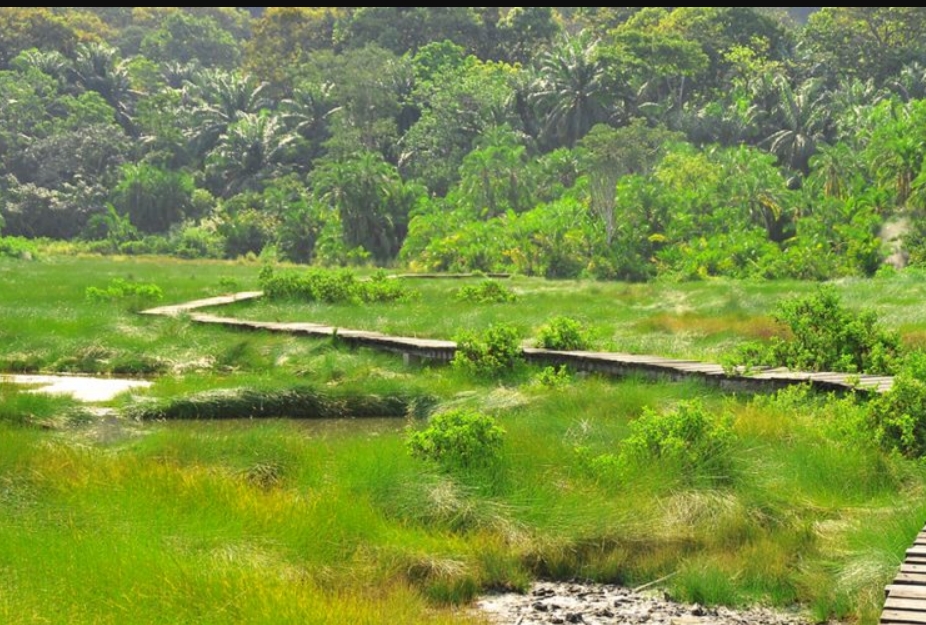
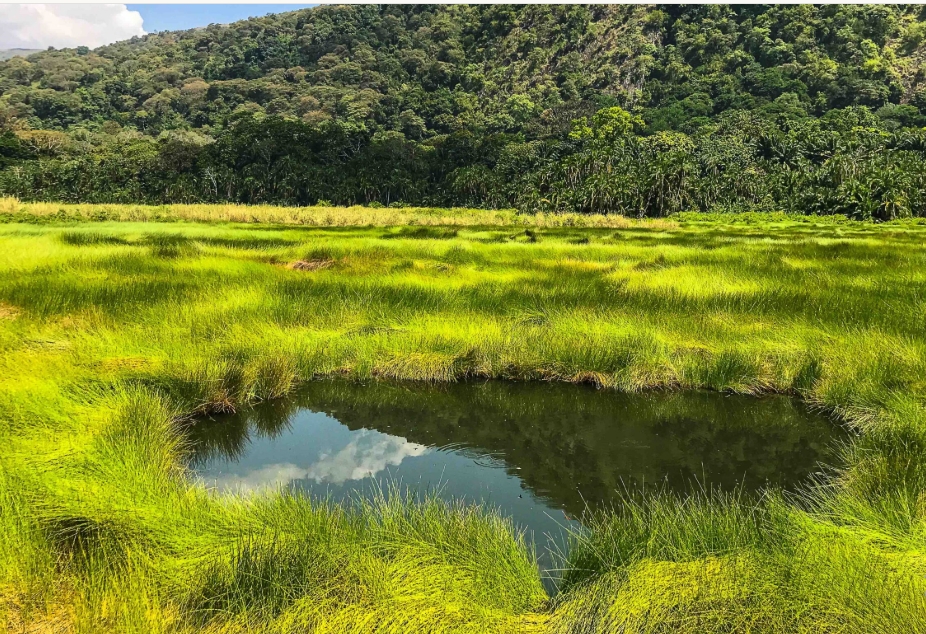
Birds of Lake Mburo National Park: Lake Mburo National Park is one of the best bird watching destinations in Uganda, situated in the western part of Uganda. It’s around 230 kilometers from Kampala to the park, making it the nearest national park in Uganda. The park is known for being part of the Zambezian Biome, which provides unique opportunities for bird watching. Lake Mburo National Park hosts over 340 bird species, including acacia woodland birds, savannah birds, water birds, migratory birds and forest bird species, which are supported by its unique natural systems like acacia woodlands, savannah grasslands, lakes and wetlands that provide habitats to various bird species. Birds of Lake Mburo National Park can be seen on guided nature walks, game drives, walking safaris and on boat cruises. There are various sites that ate specifically used for watching birds like Rubanga Forest, Warukiri and Miriti marshes. They all have unique bird species and provide exceptional birding experiences.
Birds of Lake Mburo National Park.
Rwenzori Turaco, Shoebill, White-faced Whistling-Duck, Mourning Collared-Dove, Fulvous Whistling-Duck, Red- faces Barbet, White-backed Duck, Knob-billed Duck, Egyptian Goose, Spur-winged Goose, African Pygmy-Goose, Blue-billed Teal, Yellow-billed Duck, Red-billed Duck, Helmeted Guineafowl, Western Crested Guineafowl, Crested Francolin, Coqui Francolin, Ring-necked Francolin, Red-winged Francolin, Handsome Spurfowl, Scaly Spurfowl, Red-necked Spurfowl, Speckled Pigeon, Rameron Pigeon, White-naped Pigeon, Dusky Turtle-Dove, Red-eyed Dove, Ring-necked Dove, Vinaceous Dove, Laughing Dove, Emerald-spotted Wood-Dove, Black-billed Wood-Dove, Blue-spotted Wood-Dove, Tambourine Dove, Namaqua Dove, African Green-Pigeon, Black-bellied Bustard, Great Blue Turaco, Bare-faced Go-away-bird, Eastern Plantain-eater, Ross’s Turaco, Black-billed Turaco, Black-throated Coucal, Senegal Coucal, Blue-headed Coucal,White-browed Coucal, Black Coucal, Blue Malkoha, Great Spotted Cuckoo, Levaillant’s Cuckoo, Pied Cuckoo, Dideric Cuckoo, Klaas’s Cuckoo, Yellow-throated Cuckoo, African Emerald Cuckoo, Dusky Long-tailed Cuckoo, Barred Long-tailed Cuckoo, Black Cuckoo, Red-chested Cuckoo, African Cuckoo, Common Cuckoo, Fiery-necked Nightjar, Swamp Nightjar, Plain Nightjar, Freckled Nightjar, Slender-tailed Nightjar, Square-tailed Nightjar, Mottled Spinetail, Sabine’s Spinetail, Scarce Swift, Alpine Swift, Mottled Swift, Common Swift, African Swift, Little Swift, Horus Swift, White-rumped Swift, African Palm Swift, White-spotted Flufftail, Buff-spotted Flufftail, Red-chested Flufftail, African Crake, Lesser Moorhen, Eurasian , Pennant-winged Nightjar, Standard-winged Nightjar
Western Cattle-Egret, Goliath Heron, Purple Heron,Yellow-billed Egret, Western Cattle-Egret, Hamerkop, Pink-backed Pelican, Great White Pelican, Great White Pelican, Black-winged Kite, African Harrier-Hawk, Palm-nut Vulture, Moorhen, Red-knobbed Coot, African Swamphen, Black Crake, African Finfoot, Gray Crowned-Crane, Senegal Thick-knee, Water Thick-knee, Black-winged Stilt, Pied Avocet, Common Ringed Plover, Three-banded Plover, Long-toed Lapwing, Spur-winged Lapwing, Senegal Lapwing, Crowned Lapwing, Wattled Lapwing, Brown-chested Lapwing, Kittlitz’s Plover, Greater Painted-Snipe, Lesser Jacana, African Jacana, Eurasian Whimbrel, Jack Snipe, African Snipe, Common Snipe, Common Sandpiper, Green Sandpiper, Marsh Sandpiper, Wood Sandpiper, Common Greenshank, Temminck’s Stint, Ruff, Small Buttonquail, Bronze-winged Courser, Gray-hooded Gull, Lesser Black-backed Gull, African Skimmer, Gull-billed Tern, Whiskered Tern, Gull-billed Tern, Greater Flamingo, Lesser Flamingo, Little Grebe, Little Grebe, African Openbill, Black Stork, Abdim’s Stork, African Woolly-necked Stork, Saddle-billed Stork, Marabou Stork, Yellow-billed Stork, Great Cormorant, Great Cormorant, Glossy Ibis, African Sacred Ibis, Hadada Ibis, Tawny Eagle, Western Barn Owl, African Wood-Owl, Southern White-faced Owl, Spotted Eagle-Owl, Verreaux’s Eagle-Owl, Pearl-spotted Owlet, Southern White-faced Owl, Narina Trogon, Common Hoopoe, Green Woodhoopoe, Forest Scimitarbill, Abyssinian Ground-Hornbill, Black-billed Woodhoopoe, Forest Scimitarbill, Congo Pied Hornbill, Crowned Hornbill, Congo Pied Hornbill, African Gray Hornbill, Black-and-white-casqued Hornbill, Red-throated Bee-eater, White-throated Bee-eater, Northern Carmine Bee-eater, Yellow-throated Longclaw, Yellow-fronted Canary, Papyrus Canary, Streaky Seedeater, Thick-billed Seedeater, Brown-rumped Bunting, Cabanis’s Bunting, Golden-breasted Bunting, Cinnamon-breasted Bunting , African Spoonbill, Dwarf Bittern, Little Bittern, Black-crowned Night Heron, Little Egret, White-backed Night Heron, Rufous-bellied Heron, African Cuckoo-Hawk, European Honey-buzzard, White-headed Vulture, Lappet-faced Vulture, Hooded Vulture, African Hawk-Eagle, Martial Eagle, Booted Eagle, among others.
Best Time to do birding in the Park.
Visitors can see birds of Lake Mburo National Park at any time of the year; it experiences two seasons, the wet and dry seasons. The dry season runs from December to February and from June to September. During these months, the park receives no to little rainfall, making it easy to penetrate it. The wet season runs from October to November and March to May; these months receive abundant rainfall, and the park is always wet, making it hard to penetrate. However, this season favours budget travellers, Lodges and travel agencies tend to give discounts.