Birding Safaris in Semuliki National Park.
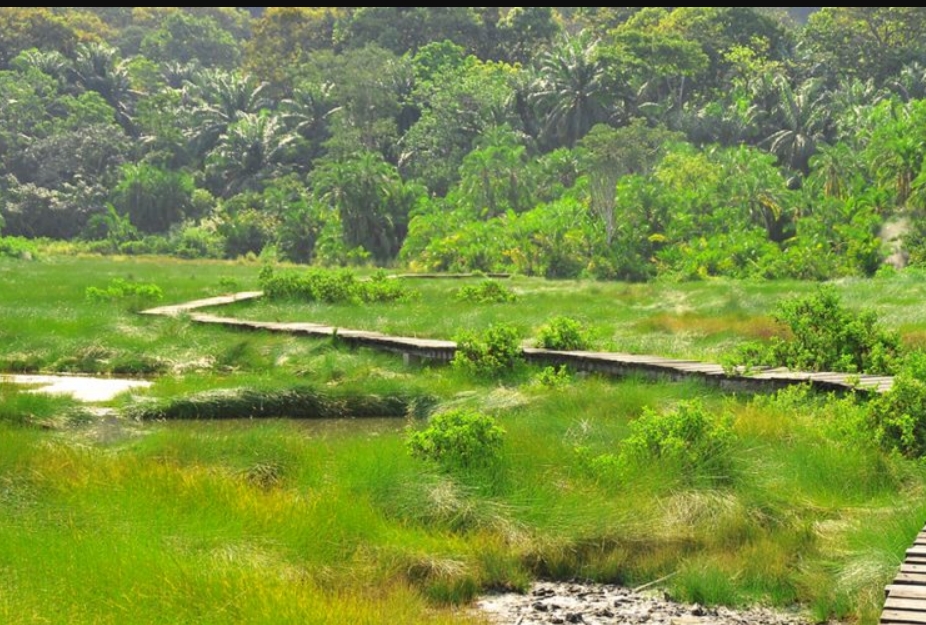
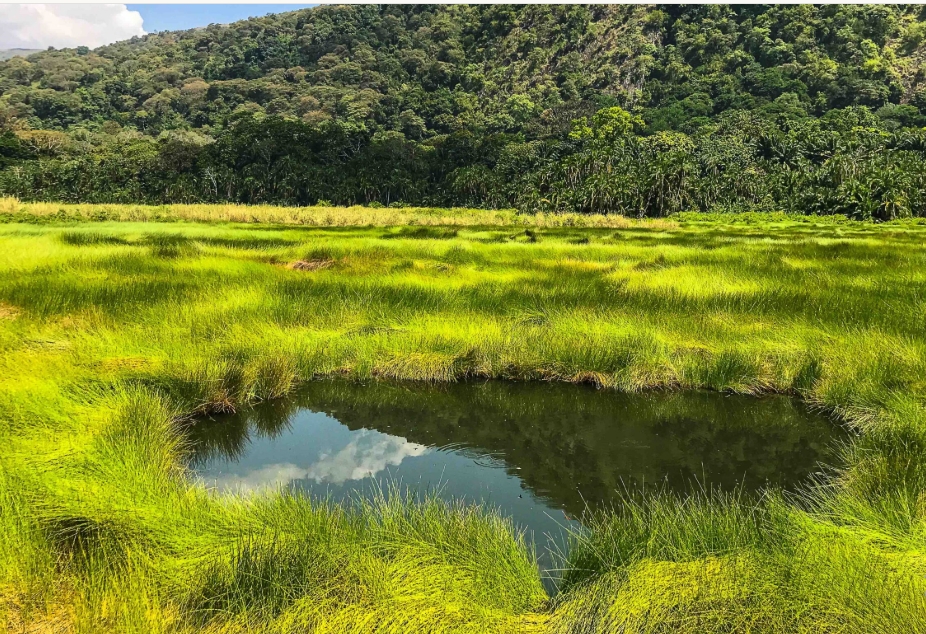
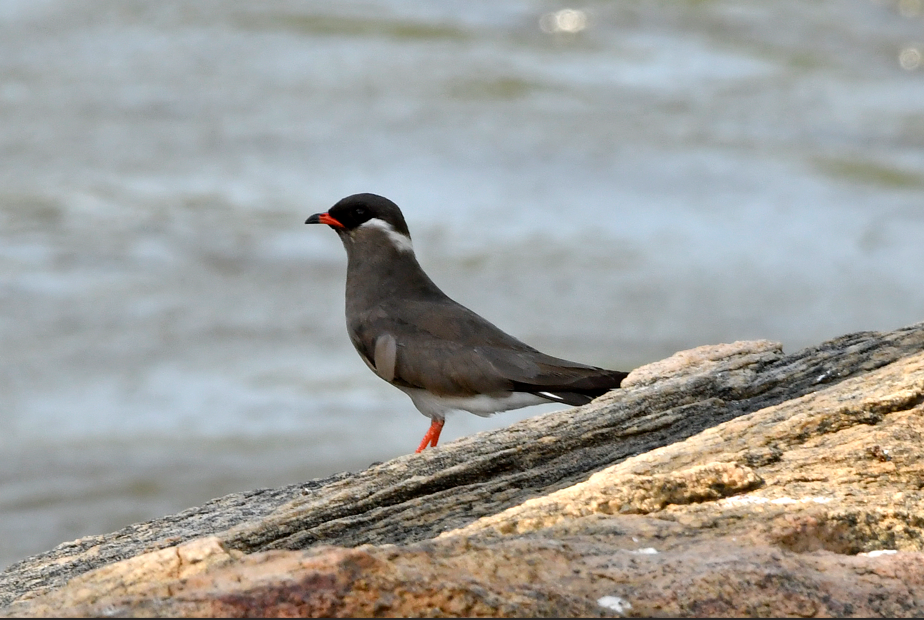
Birding Safaris in Semuliki National Park are one of the most exciting safaris to enjoy in Uganda, located in the southwestern region of the country. Semuliki National Park is one of the most sought-after bird watching destinations by bird enthusiasts planning their safaris in Uganda. The park is famous for hosting the highest number of forest birds and Guinea-Congo biome bird species, some of which are rare to find anywhere else in Uganda. The park has a mix of ecosystems such as wetlands, tropical forests, rivers, and grasslands, which provide habitats for various birds. It hosts up to 450 unique bird species, including 40% of Uganda’s forest birds, water birds, 130 Guinea-Congo biome bird species, with over 46 species which are found nowhere else in East Africa, 5 Albertine endemic species and the park’s endemic species, which are found nowhere else in the country. Semuliki National Park has different birding trails, which cater to all levels of travellers, whether you are an experienced birder or a beginner. Each trail has unique bird species, like Kirumia trail, Ntandi trail, Sempaya trail and areas along Semuliki River. The park offers excellent chances for photographers to capture stunning images of various bird species.
Birds to see on Birding Safaris in Semuliki National Park.
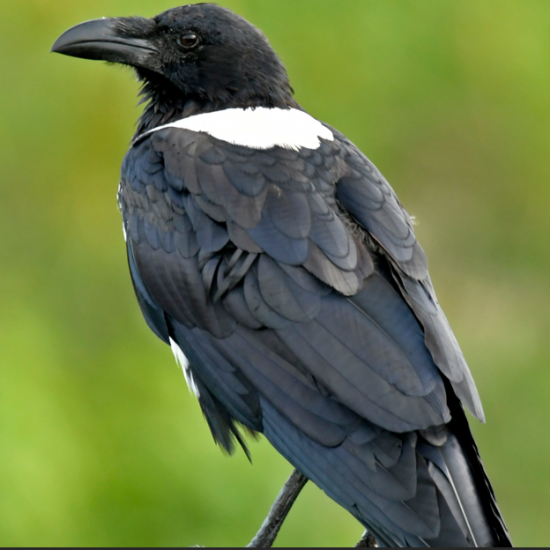
Nature enthusiasts and bird lovers will find the park a haven for birding, with over 455 bird species that reside in the park, making it the best destination in Africa with the highest number of forest bird species. The species to encounter on the safari include Purple Heron, Goliath Heron, Hamerkop, Osprey, Great White Pelican, Great White Pelican, Rüppell’s Griffon, Lappet-faced Vulture, Forest Scrub-Robin, White-browed Scrub-Robin, Fire-crested Alethe, White-eyed Slaty-Flycatcher, Blue-shouldered Robin-Chat, Red-chested Owlet, African Wood-Ow, Abyssinian Ground-Hornbill, Forest Scimitarbill, Narina Trogon, Blue-naped Mousebird, Orange-cheeked Waxbill, Eastern Long-tailed Hornbill, Blue-breasted Bee-eater, White-thighed Hornbill, Crowned Hornbill, Blue-breasted Bee-eater, Cinnamon-chested Bee-eater, Olive Bee-eater, European Bee-eater, African Pygmy Kingfisher, Malachite Kingfisher, Blue-breasted Kingfisher, Pied Kingfisher, Chocolate-backed Kingfisher, Blue-throated Roller, Red-faced Barbet, Northern Red-fronted Tinkerbird, White-crested Turaco, Black-billed Turaco, Black-throated Coucal, Senegal Coucal, Blue-headed Coucal, White-browed Coucal, Black Coucal, Blue Malkoha, Levaillant’s Cuckoo, Pied Cuckoo, Dideric Cuckoo, Klaas’s Cuckoo, Yellow-throated Cuckoo, African Emerald Cuckoo, Dusky Long-tailed Cuckoo, African Cuckoo, Common Cuckoo, Pennant-winged Nightjar, Standard-winged Nightjar, Fiery-necked Nightjar, Plain Nightjar, Freckled Nightjar, Bates’s Nightjar, Long-tailed Nightjar, Square-tailed Nightjar, Mottled Spinetail, Sabine’s Spinetail, Common Swift, Alpine Swift, Scarce Swift, White-rumped Swift, African Palm Swift, Horus Swift, White-spotted Flufftail, Buff-spotted Flufftail, Black-bellied Bustard, Great Blue Turaco, Bare-faced Go-away-bird , Eastern Plantain-eater, Ross’s Turaco White-faced Whistling-Duck, Fulvous Whistling-Duck, Knob-billed Duck, Hartlaub’s Duck and more.
Best Time for Birdwatching Safaris in the Park.
Birding safaris in Semuliki National Park can be done year-round, and the best time depends on an individual’s interests. The park receives two seasons, the wet season and the dry season, both of which provide memorable birding experiences. The wet season is the most liked period by bird enthusiasts; it runs from October to November and March to May. During this period, the park receives enough rainfall, and plant and tree species bear fruits, which provide abundant food for the birds. This attracts various bird species, including the migratory birds that travel from Europe in search of food. This is the breeding season for most birds in the park, which makes it easy to spot them. However, bird lovers should be aware that the park is always muddy in this period. Bird lovers can also enjoy birding during the dry season, which runs from June to September and December to February. There is little to no rainfall in this season; the park is dry, making it easy to penetrate.