A Travel Guide to Lake Mburo National Park
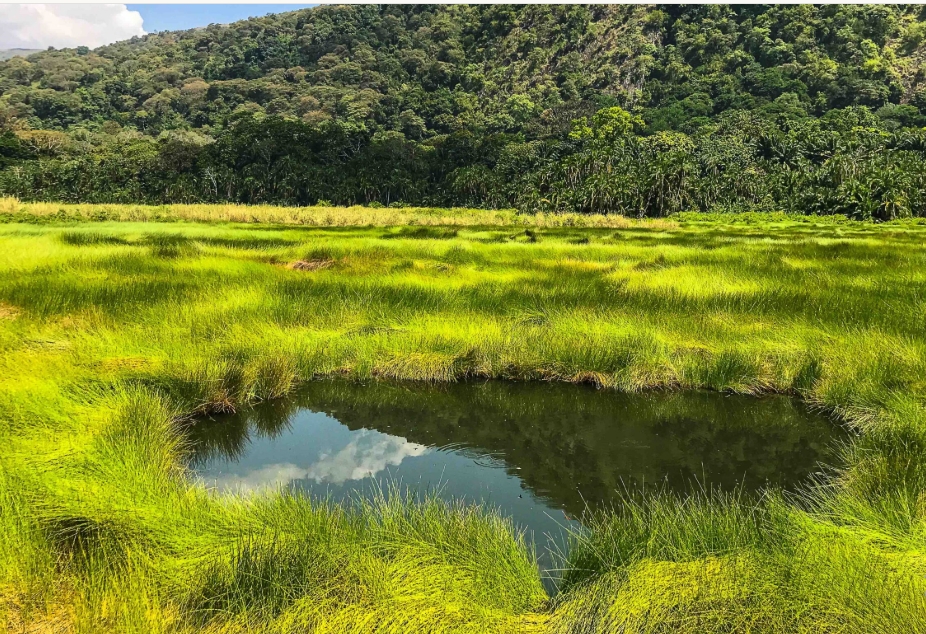
A Travel Guide to Lake Mburo National Park: Lake Mburo National Park is one of Uganda’s smallest parks and ranks as the country’s smallest savanna parks. However, by far the most diverse protected area in terms of biodiversity, including savannah plains, wetlands, and water bodies, all that support a rich diversity of wildlife species, including game and birdlife species.
All these make it stand out as a gem that should not be missed on your Ugandan safari. This is the nearest park to Kampala city that is easily visited compared to other savannah parks such as Murchison Falls National Park and Queen Elizabeth National Park, making it the most accessible and convenient or easily visited on a short trip from the capital, Kampala.
Lake Mburo National Park covers a size of 270 km², with an altitude of 280-1520 m above sea level. It hosts quite a big number of mammals, amounting to over 68 species, and over 350 bird species. The park’s attractions offer various activities such as game drives, birdwatching, walking safaris, horse riding, cycling, community visits, and others.
What to do in Lake Mbulo National Park
Game Drives
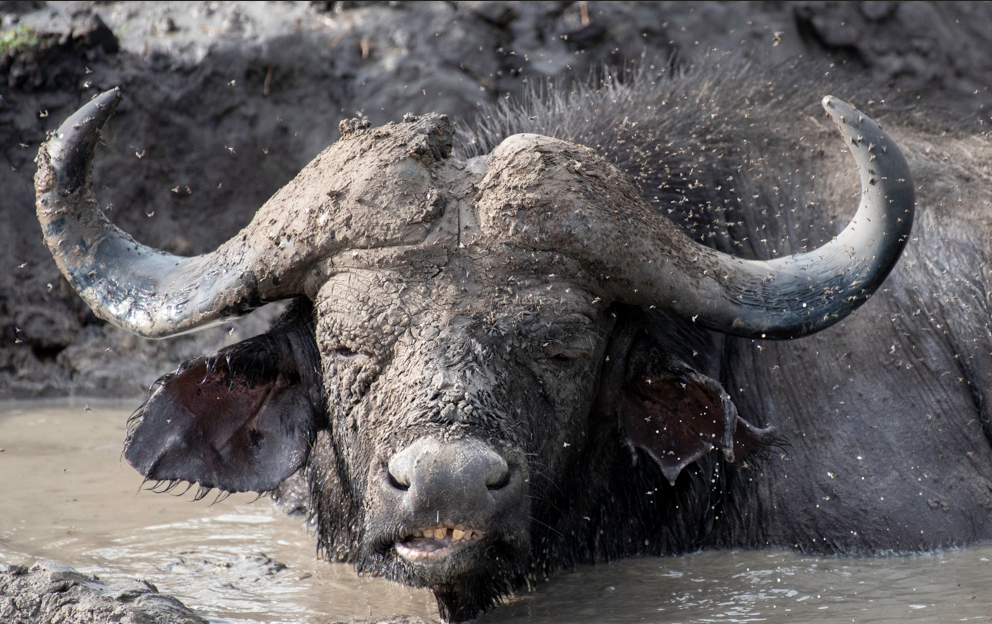
The park offers visitors classic game drives that enable nature lovers to spot various animals by getting close to diverse wildlife species, including large populations of impalas, plain zebras, topis, common eland, the largest of the antelopes, Cape buffalo, Defassa waterbuck, bushbuck, dwarf mongoose, and more.
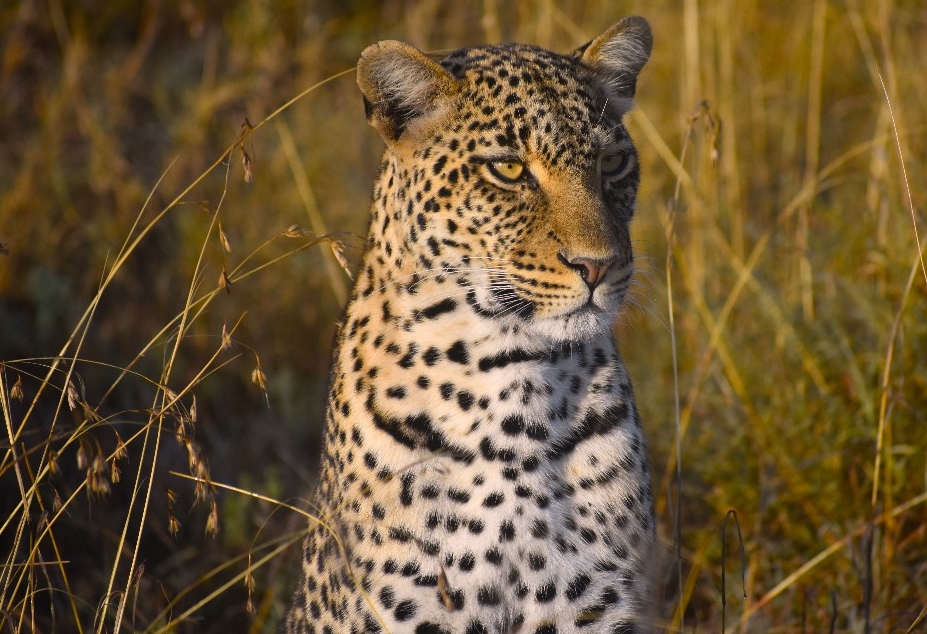
The recently introduced Nubian giraffe, formerly Rothschild’s giraffe, has settled in well, as seen on many drives. The park ranks low on big cats, with lions completely absent, but hyenas and leopards, although shy, still occur in secluded and wooded tracts and are often seen on early morning and night game drives.
Boat Cruise
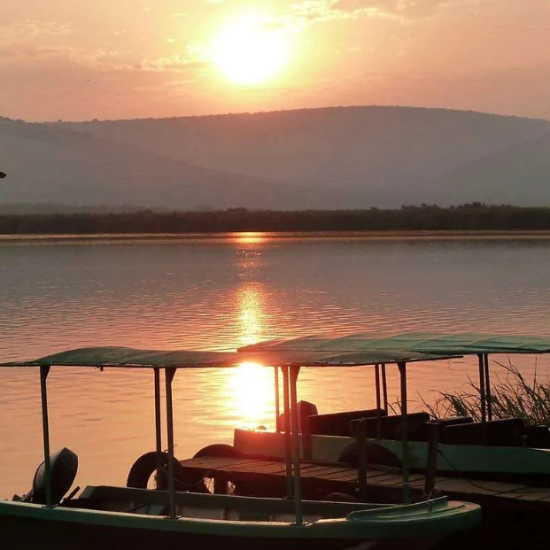
A boat cruise safari follows the papyrus and wooded-edged Lake Mbulo National Park, getting you close to herds of hippos, Nile crocodiles, Nile monitors, spotted otters, and a healthy checklist of birds. Boat safari schedules leave in the morning and afternoon.
Birdwatching
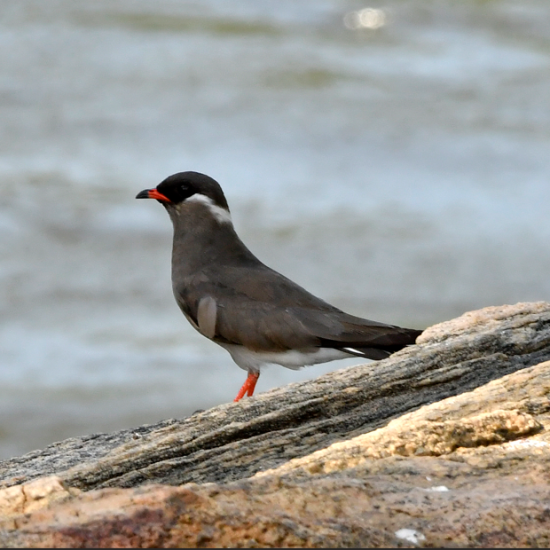
A Travel Guide to Lake Mburo National Park: Lake Mburo is one of Uganda’s top birding hotspots and features on any classic Uganda birding tour. Although smaller in size, Lake Mburo NP protects a diversity of habitats ranging from vast wetlands, savanna woodlands, and forests where a checklist of up to 350 species occurs. Here is our detailed birding blog about this incredible hotspot and key highlights.
Species highlights here include the shy African Finfoot, often seen on a boat cruise along Lake Mburo; the Red-faced Barbet; the Southern Black-flycatcher; the African Finfoot; the Tabora Cisticola; the Black-collared Barbet, also an East Africa endemic; and more acacia-associated specialists.
Ankole Long-horned Cattle Experience
While here at Lake Mburo National Park, take a cultural experience with the Ba-Hiima people, an ancient cattle-keeping community that lives around this park. Known for their love of the beautiful Ankole long-horned cattle, a visit to their homesteads gives one insight into various traditions and culture and an opportunity to participate in their ordinary lifestyle of cow grazing, milking, and ghee making; taste the local traditional dishes; and connect to the friendliness and hospitality of this culture.
Nature Walks, and Adventure Activities
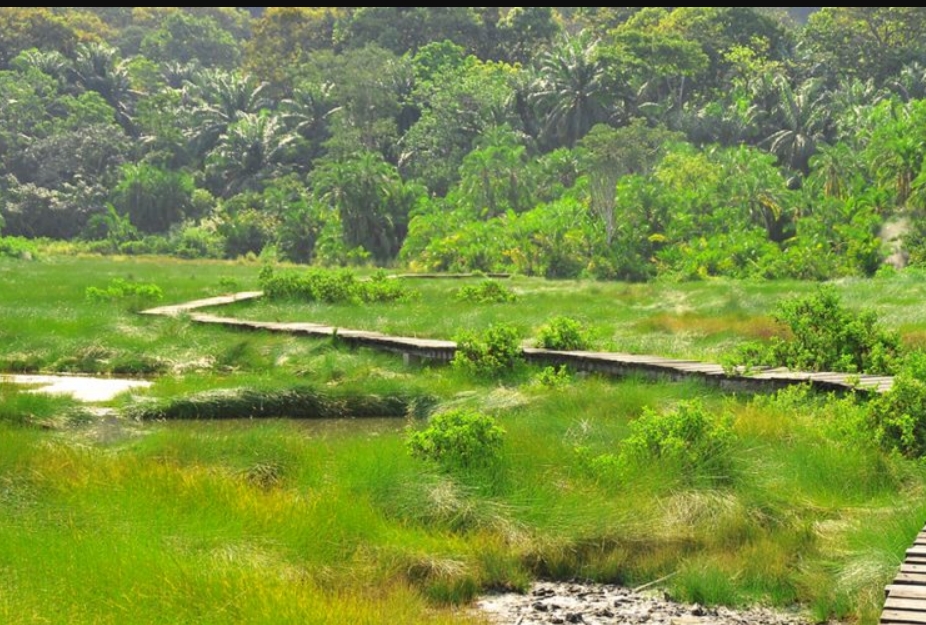
A Travel Guide to Lake Mburo National Park: The best way to explore this true African wilderness of Lake Mbulo NP is surely on foot! The absence of large herbivores, including elephants and big cats, has made Lake Mburo National Park a haven of adventure activities, offering you an opportunity to explore this vast beauty of wilderness on foot, on a bike, or on horseback. These interpretive nature walks will awaken your senses to nature as you hear and interpret diverse sounds, sights, markings, and smells of the wilderness.
On foot, you get a different perspective of nature and its residents. You experience first-hand the beauty and charm of nature, getting you up close and personal to the unique diversity, including Nubian giraffe towers as they delicately feed on several thorn-protected acacia tree species; get to interact with zebra herds, topi; and watch the graceful impala, warthog, and even the shyest, biggest antelope, the common eland and waterbuck.
The acacia woodlands host a variety of birdlife, including Nubian Woodpecker, Meyer’s Parrot, Striped Kingfisher, Tabora Cisiticola, Bare faced Go Away Bird, Ruppel’s Starlings, Lilac-breasted Roller, Trilling Cisticola, Black-headed Gonolek, Double- toothed Barbet Papyrus Gonolek, and more.