Animals of Kibale Forest National Park
Animals of Kibale Forest National Park: Kibale Forest National Park is a stunning natural area in Uganda, known for being the top chimpanzee tracking spot. It covers 766 square kilometers of mostly forest and stretches nearly 50 kilometers south from the Fort Portal-Kampala Road to the Queen Elizabeth National Park border.
Established as a forest reserve in 1932, it became a national park in 1993, connecting with Queen Elizabeth National Park to create a 180-kilometer wildlife corridor for animals like lions and buffalo. The park headquarters hosts briefings for chimpanzee tracking and is the main hub for tourist activities, centered at the Kanyanchu Visitors’ Centre.
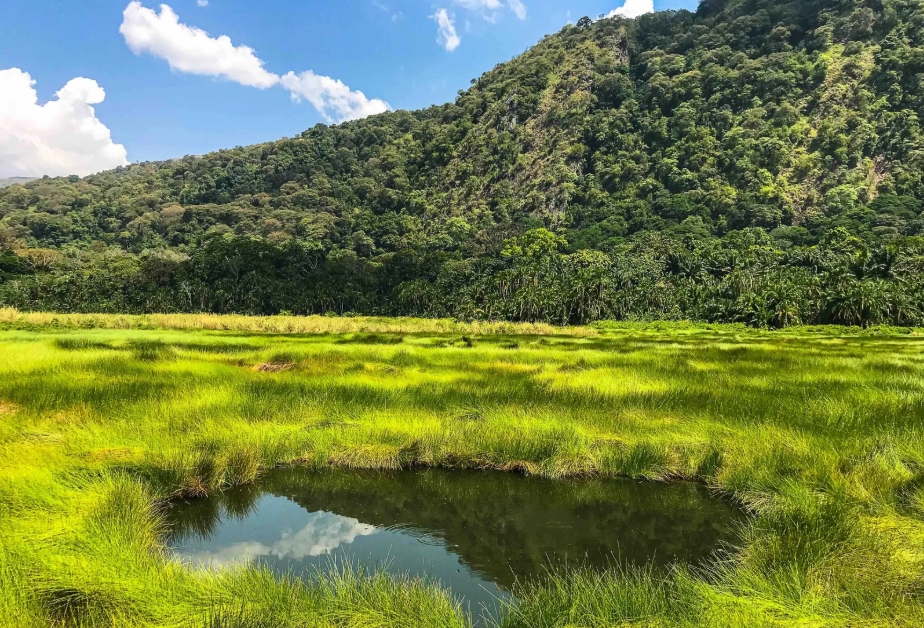
Kibale Forest National Park features a rainforest with large-buttressed mahoganies, swamps, and tall fruiting figs, reaching 60 m high. It is located at an elevation of 1,100-1,590 meters and has over 229 tree species. Unlike the nearby Budongo forest, Kibale was not heavily cut down until the 1950s for timber for the Kilembe copper mine. Controlled deforestation has helped preserve its hardwood trees.
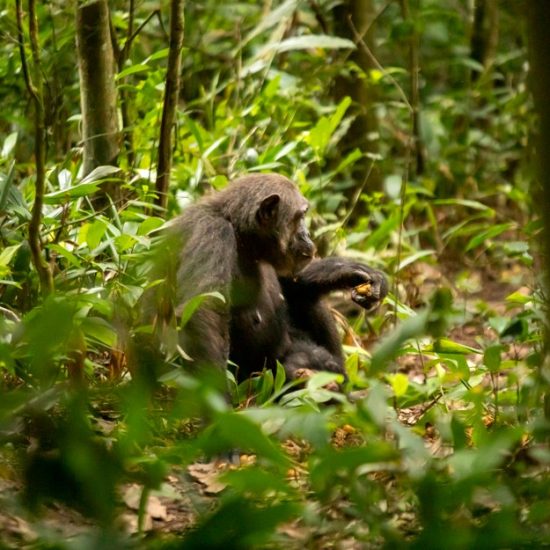
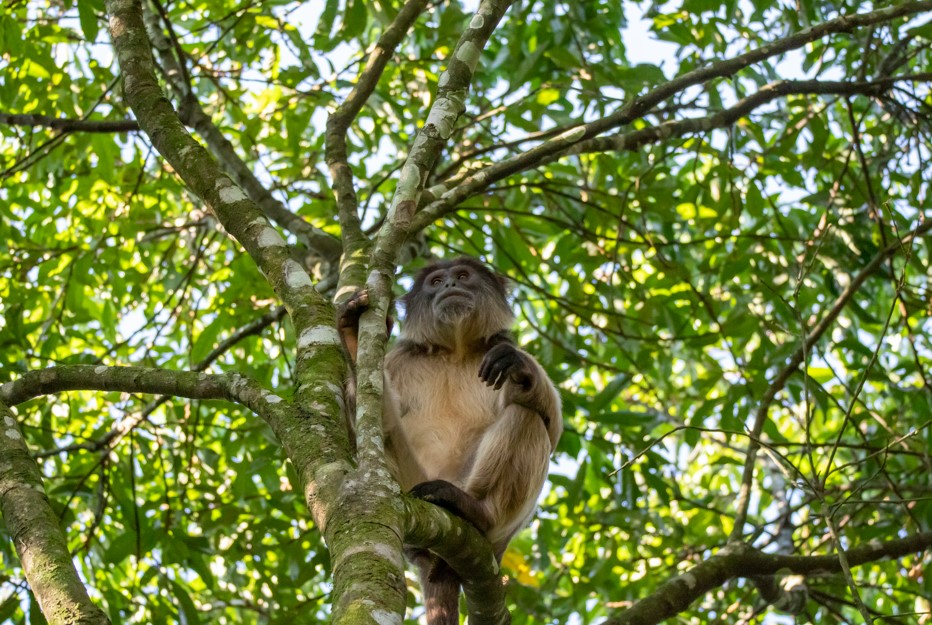
Kibale Forest National Park hosts the highest number of primates in Africa. The park has 13 primates, including the chimpanzees, which number over 1500. The forest is also home to the last population of Uganda red colobus and the beautiful L’Hoest’s monkey.
The forest is also home to other primates such as black and white colobus monkeys, red-tailed monkeys, vervet monkeys, olive baboons, blue monkeys, Demidoff’s galago, grey-cheeked mangabeys, patas monkeys, Uganda red colobus, and pottos.
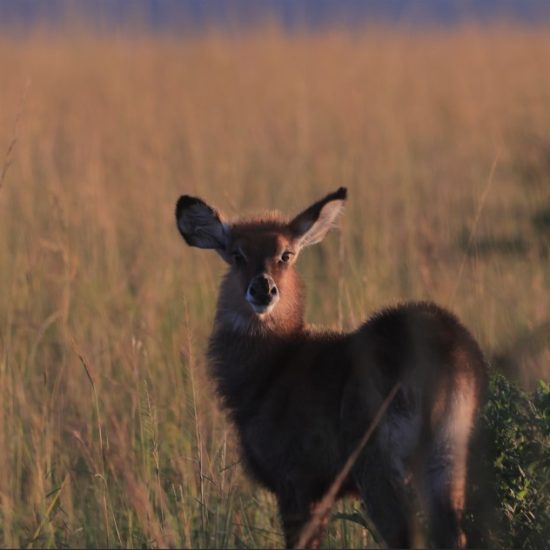
Apart from mammals, Kibale National Park is home to over 70 mammal species, such as African buffalo, bushbucks, duikers, lions, giant forest hogs, sitatungas, bush pigs, leopards, mongooses, African elephants, and other creatures that can be found here.
The park also has over 250 butterfly species, 70 reptiles with the largest being the Nile crocodile, and over 375 species of birds finding their home in this forest. The bird species in Kibale Forest National Park include the barn swallow, collared apalis, black bee-eater, African pitta, blue-headed bee-eater, little greenbul, black-headed oriole, African jacana, brown-chested alethe, black-billed turaco, black and white shrike flycatcher, Abyssinian ground thrush, crowned eagle, masked apalis, Nahan’s francolin, and African emerald cuckoo, among others.
Within Kibale National Park lies the last remaining significant area of pre-montane forest on the continent of Africa, with over 229 tree species. Yet, remarkably, 23% of this park, famed for its forests, is open savannah vegetation where even lions, African elephants, and other animals can be found.
Tourist activities in the Kibale Forest National Park
Chimpanzee trekking- Animals of Kibale Forest National Park
Chimpanzee trekking is the most popular activity in Kibale Forest National Park for tourists. Visitors who visit this park get an opportunity to trek with chimpanzees or habituate them for a half-day or a full day. Chimpanzee trekking in Kibale Forest National Park begins at 8:30 am at Kanyacu Visitor’s Center with a short briefing about the rules and regulations of chimpanzee trekking before an armed ranger guide leads you into the forest to search for these primates. Chimpanzee trekking in Kibale Forest National Park takes 2-4 hours, depending on the location of these primates.
Kibale trekking permits for Kibale Forest National Park cost $250 for foreign nonresidents, $200 for foreign residents, and shs180,000 for East African citizens. These rates include the nature walk fee, guide fee, and park entrance fee. Chimpanzee habituation experience is also done in Kibale National Park, and it costs $300 for foreign non-residents and $250 for non-foreign residents, while citizens of East Africa pay UGX250,000. The rates include a guide fee and park entrance fees for 4 hours.
Birding in Kibale Forest National Park
Kibale forests have more than 375 bird species that have been identified so far, including six endemics to the Albertine Rift area. Bird lovers can spot these beautiful birds during guided nature walks in the forest. You can spot different bird species on these walks, including the four that are endemic to the region—the Cassin’s spinetail, Nahan’s francolin, blue-headed bee-eater, and masked apalis.
Other bird species in Kibale forest national park include brown chested alethe, black-billed turaco, black and white shrike flycatcher, barn swallow, dusky crimsoning, collared appalis, black bee eater, Abyssinian ground thrush, crowned eagle, , brown eared woodpecker, African emerald cuckoo, blue-throated roller, black billed weaver, zebra waxbill, blue-throated roller, African green pigeon, black headed oriole,yellow spotted nicator, little greenbul, ash flycatcher, chubb’s cisticola, black capped waxbill, Africa shrike flycatcher, yellow rumped tinker bird, African dusky flycatcher, blue breasted kingfisher, African black headed oriole, African- pied wagtail, African jacana, African pitta, somber greenbul, and white collared olive among others.
Nature walks- Animals of Kibale Forest National Park
Primate walking is another excellent African safari activity that you can engage in on a safari in the Kibale Forest National Park, located in the western part of the country. The primate tracking first session starts at the Kanyanchu visitor center early at 8:00 am, and the afternoon walk starts at 2:00 pm, both with a briefing. Each primate walk lasts between 2 and 3 hours, depending on various factors such as the speed of the trekkers, the nature of the terrain, and the time of the year.
During the primate walk in Kibale National Park, you have an opportunity to spot different animals such as chimpanzees, red-tailed monkeys, black and white colobus monkeys, vervet monkeys, olive baboons, blue monkeys, L’Hoest’s monkeys, Demidoff galagos, grey-cheeked mangabeys, Uganda mangabeys, patas monkeys, pottos, African buffalo, African elephants, bushbucks, duikers, lions, giant forest hogs, sitatungas, bush pigs, leopards, and mongooses.
What is the best time to go chimpanzee trekking in Kibale Forest National Park
Chimpanzee trekking in Kibale Forest National Park can be done at any time of the year, but the best time to have the fun of this activity is during the dry season, which happens from December to February and June to September. During the dry season, the roads leading to the park are passable, there is little or no rainfall, the forest is less dense, making chimpanzees easier to see, and the trails are not muddy.
Accommodation in Kibale Forest National Park
Kibale Forest National Park has a wide range of accommodation facilities where you can stay during your safari tour, depending on your travel budget. These accommodation facilities range from budget to mid-range to luxury, including Chimps Nest, Primate Lodge Kibale, Kibale Forest Camp, Nyinabulitwa Country Resort, Safari Camp, Kanyanchu River Camp, Mountains of the Moon Hotel, Chimpanzee Forest Guest House, Ndali Kasenda Lodge, Papaya Lake Lodge, Amarada Rift Valley Lodge, Kyanika Lodge, Isunga Lodge, Kibale Safari Lodge, and Kibale Forest Cottages, among others.
What is the best time to do birding in Kibale National Park
Birding in Kibale National Park can be done at any time of the year, but some months are better than others. The best months are March to May and September to November, when migratory birds from Europe are coming into the country. During these months, there are plenty of fruits, so food is abundant, and most of the birds are in their breeding plumage.
How to get to Kibale Forest National Park
Kibale National Park is situated on the western side of the country in Kabarole District and can be accessed by road transport from Kampala via Mubende–Fort Portal or Kampala via Masaka–Mbarara to Kamwenge to Kibale, which takes about a 5-6 hour drive in a comfortable 4×4 safari vehicle.