Activities to Do on Short Safaris in Semuliki National Park
Activities to Do on Short Safaris in Semuliki National Park: Travellers planning to do short safaris in Semuliki National Park should know that not every activity can be done within such a limited time. Some visitors are drawn to the park thinking that two days are enough to do forest walks, hot spring visit, Batwa, boat ride among others. This may not be possible despite its small size of about 220 sq km, but the park is characterized with a lowland tropical rainforest, with hot temperatures and the roads are slow. For travellers with one or two days, you are advised to participate in two or three activities in order to enjoy the experience.
Short safaris in Semuliki Park are designed for travellers with limited time but would love to explore nature at its best. A short safari to Semuliki national park offers visitors an opportunity to explore wildlife, beautiful lowland tropical rainforest, and several other wonders that the park has to offer. Travellers who are short of time, Semuliki National Park is among the best places to go because it’s located 5 to 6 hours’ drive on road from Kampala/Entebbe.
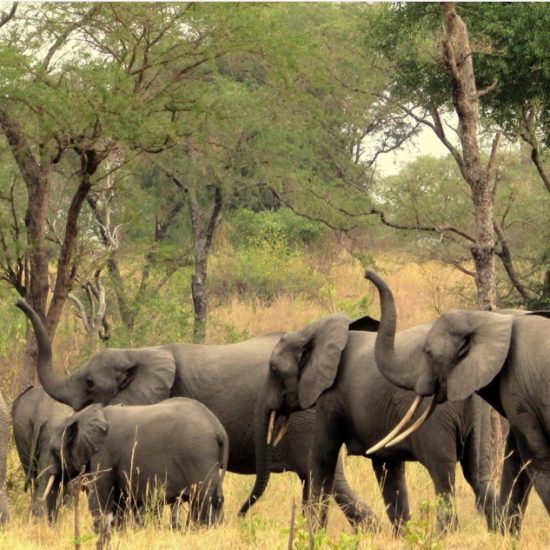
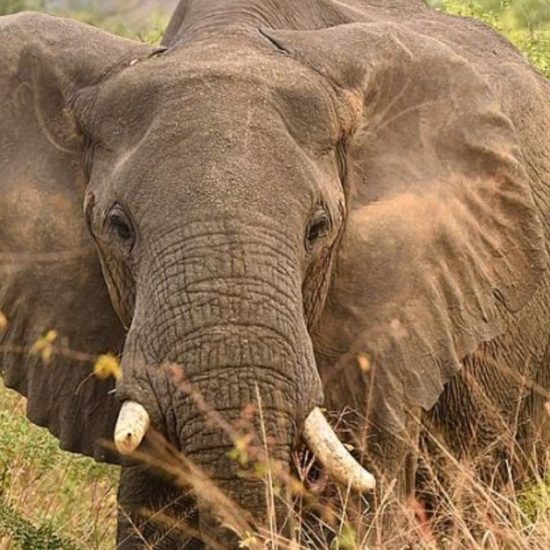
The park has numerous attractions visitors can see on a short safari and among them include mammals, primates, birds, hot springs, butterflies, and the Batwa. Travellers are advised to participate in major activities due to limited time on a safari. A short safari to Semuliki National Park can be a fly-in or a 3 days safari experience if tourists are to use road transport.
The magical hot springs are a must-see for the majority of visitors to Semuliki National Park. Both the male and female hot springs are situated within Semuliki National Park. While on a safari at Semuliki National Park, visitors can take a short distance to the hot springs, guided by armed ranger guides who will enlighten and provide visitors with various park facts.
Activities to Do on Short Safaris in Semuliki National Park
Bird Watching
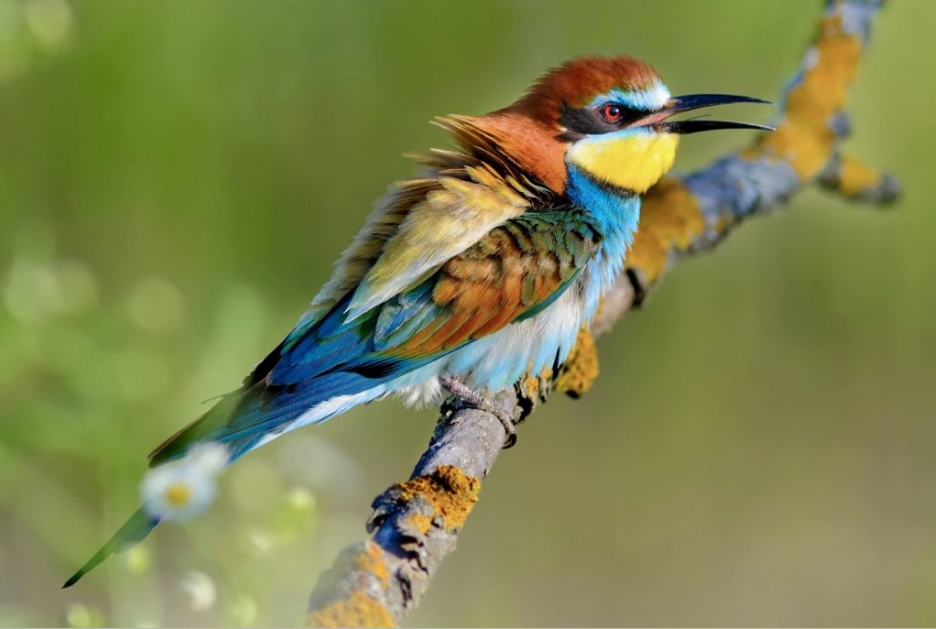
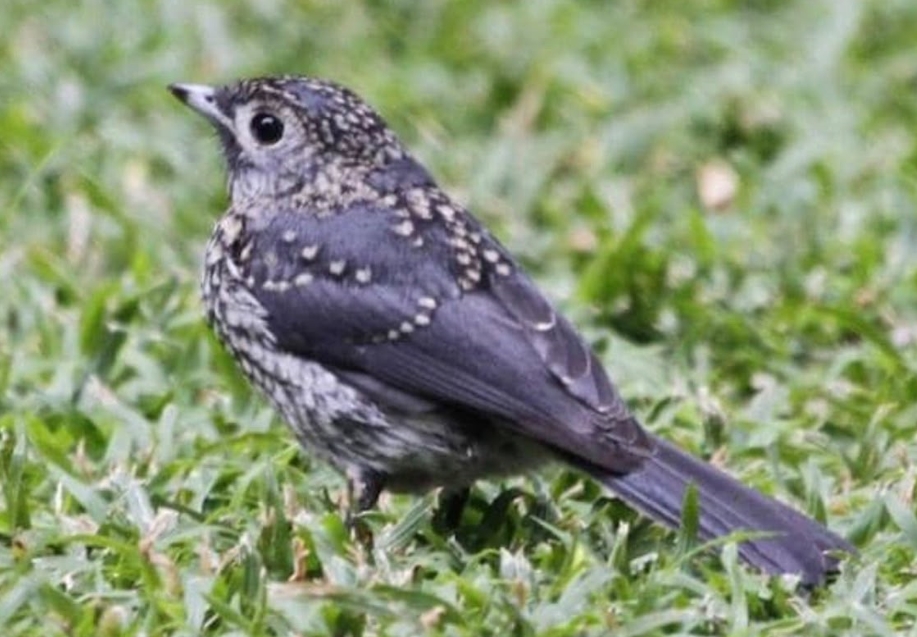
The majority of the bird species can be seen by birdwatchers in Semuliki National Park in a mere single day or even less. In Semuliki National Park, bird watching is a guided activity where visitors are led by armed ranger guides through the bush mainly for safety reasons. Several trails are used for bird viewing so that visitors can see as many different species of birds as possible.
Birds to see in Semuliki Park include Spotted honeyguide, Northern bearded scrub robin, Hartlaub’s duck, Capuchin Babbler, Zenker’s honeyguide, Blue-billed malimbe, Shoe bill stork, Great blue Turaco, Spot-breasted Ibis, White-crested hornbill, Piping Hornbill, Dwarf honeyguide, White-throated Blue Swallow, African pygmy goose, Gabon woodpecker, Gabon woodpecker, Eastern-bearded greenbul, White-tailed Hornbill, Grant’s bluebill.
Ross’s Turaco, Lyre-tailed Honeyguide, Yellow-throated nicator, Black-Dwarf hornbill, Red-billed dwarf hornbill, Long-tailed hawk, great white pelican, Red-thighed Sparrow hawk, Chestnut owlet, Chestnut-breasted Negrofinch, malachite kingfisher, Yellow-throated cuckoo, Crested Malimbe, swamp palm bulbul, Congo serpent eagle, among others.
Hot springs Visit
Apart from the hot springs, the most of the visitors to Semuliki National Park never leave. The male and female hot springs are located within Semuliki National Park. During a safari in Semuliki Park, visitors can take a short trek to the hot springs, where they will be guided by armed ranger guides who do provide them with all the necessary park information.
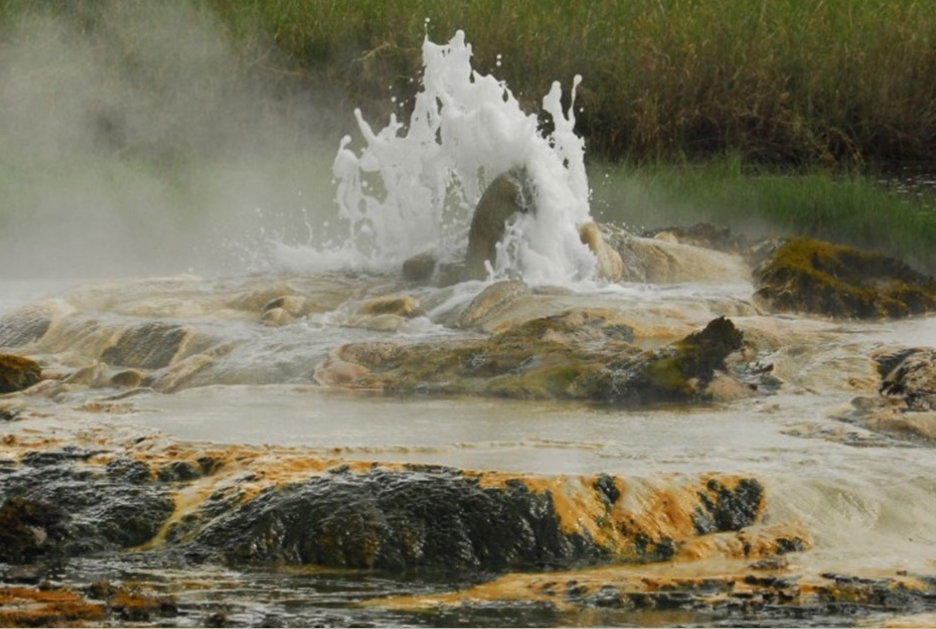
The female hot spring, Nyansimbi, which has a geyser that sprouts water jets three metres above the ground, is the most popular hot spring in the park that leaves most of the visitors in awe. When visitors visit any of the hot springs, they take photos and video recordings of the experience. However, the male hot spring is simply a pool of hot water but with rich history.
Butterfly Watching
Activities to Do on Short Safaris in Semuliki National Park: Among best national park in Uganda for butterfly viewing is Semuliki Park. It is home to over 448 different kinds of butterflies identified, this park is Uganda’s protected area with the highest numbers of butterflies in Uganda. Butterfly lovers can visit the park for a quick safari or, if they arrive, participate in the activity.
An armed ranger guides accompany visitors around the park while observing butterflies, keeping them safe from potentially wild predators. With the assistance of a ranger guide and a butterfly guide, butterfly watching will allow visitors to see other park creatures, such as birds, and plants.
Butterfly species to see in Semuliki Park include euphaedra edwardsii, haritalodes polycymalis, square winged red charaxes, variable diadem, euphaedra eberti, lycoa Acraea, blue monarch, aletis helcita, euphaedra hybrida, bicyclus alboplagus, common blue banded forester, cucumber moth, widespread forester, common glider, euriphene saphirina, coffee berry moth, zebra pyrale, common nephele, cadarena pudoraria.
choroclanis virescens, orange streak Acraea, angular glider, euphaedra alacris, catuna crithea, African leaf butterfly, tailed bush brown, euphaedra hollandi, Neuroxena ansorgei, cymothoe Cyclades, marcipalina umbrosa, amata marina, cymothoe ochreata, peneleos Acraea, common mother of pearl, marcipalina conjuncta, savanna pathfinder, becker’s creamy yellow glider, among others.
What is the Best Time to Visit Semuliki National Park
Semuliki National Park is open year-round, but the best time to visit is during the dry season. This season occurs from June to September and also from December to February, since they receive little to no rainfall, but with much sunshine. During this season, the walking trails are always dry, with clear visibility since the vegetation cover is always short.
However, Budget travelers are urged to visit the park during the wet season that runs from March to June and from October to November. This is attributed to low accommodation, where visitors who turn up is always low. However, these heavy rains most times lead to slick, slippery, and muddy roads; the vegetation is also always thick, which obstructs the visibility of wildlife species.