Why You Should Not Miss a Safari to Kidepo Valley National Park
Why You Should Not Miss a Safari to Kidepo Valley National Park: Kidepo Valley National Park is the third largest national park in Uganda, covering 1,442 square kilometers in the Kaabong district. Established in 1962, it borders South Sudan and Kenya and is one of Uganda’s four savannah national parks. Despite being the least visited due to its remote location, approximately 10 to 12 hours’ drive from Kampala and Entebbe, there are many compelling reasons to visit Kidepo Valley National Park.
Why do tourists need to visit Kidepo Valley National Park
Animals
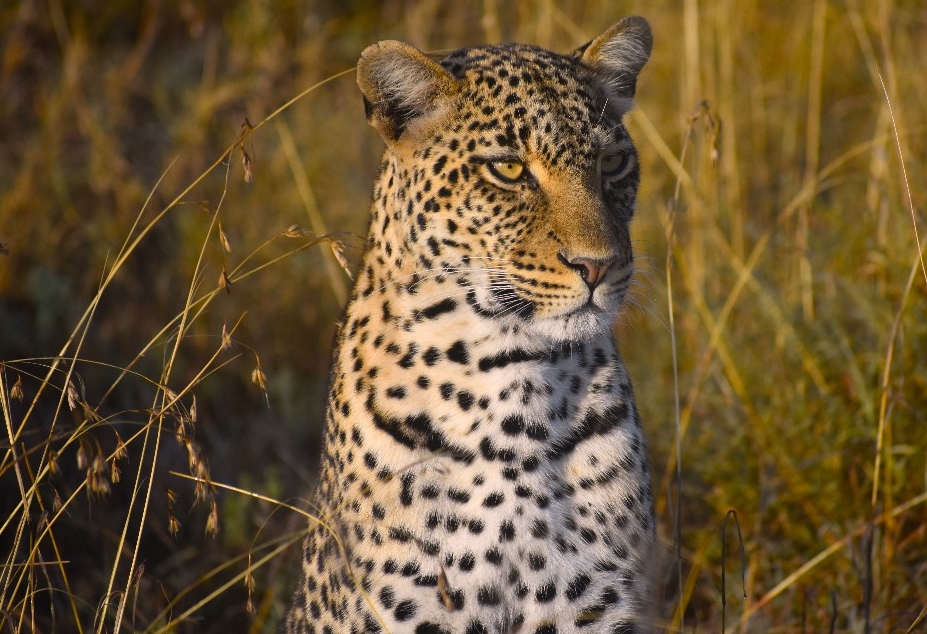
Kidepo Valley National Park is home to over 76 mammals and 5 primate species. This makes it one of the national parks in Uganda for game viewing activities. It’s been reported that over 20 animals living in Kidepo Valley National Park are endemic to the region and not seen anywhere else in the country.
The animals of Kidepo Valley National Park include cheetahs, lions, buffaloes, elephants, leopards, patas monkeys, zebras, giraffes, aardvark, side stripped jackals, African wild dogs, crocodiles, warthogs, roan antelopes, olive baboons, dik diks, reedbuck, klipspringers, elands, blue monkeys, deffasa waterbucks, Uganda kobs, and the ostriches
Bird Species
Why You Should Not Miss a Safari to Kidepo Valley National Park: Over 476 birds live in Kidepo valley national park and this has made it one of the best destinations to go bird watching. More than 30 bird species can only be found in Kidepo and among these include the ostrich, pygmy falcon, Karamoja apalis, and the Egyptian vulture among others.
Other birds of Kidepo valley national park include black-breasted barbet, greater kestrel, yellow-necked spurfowl, golden pipit, superb starling, red and yellow barbet, heuglin’s wheatear, hartlaub’s bustard, eastern pale chanting goshawk, white-bellied bustard, four banded sand grouse, yellow-spotted bush sparrow, Abyssinian ground hornbill, stone partridge, scarlet chested sunbird, Ethiopian swallow, violet tipped courser, fan-tailed raven, mouse-colored penduline tit, kori bustard, and four banded sand grouse.
More notable bird species are steel blue whydahs, standard winged nightjar, isabelline wheatear, red-winged lark, rose-ringed parakeet, fox kestrel, little green bee-eater, red-billed shrike, red pate cisticola, brown-backed woodpecker, beautiful sunbird, long-tailed nightjar, chestnut sparrow, purple heron, grey crowned crane, clapperton’s francolin, rufous sparrow, red-cheeked cordon bleu, and African grey flycatcher among others.
Culture
Kidepo valley national park has gotten the best African culture in Uganda. The area was home to Karamajong people who used to graze their cattle alongside animals and the IK used to live on the slopes of Mount Morungole. When the park was gazetted all these people were asked to move out and settle in the nearby areas where tourists that are interested in African culture meet them. Visiting the IK or Karamajong gives tourists an opportunity of learning about their culture, the things they do for a living and get entertained by the traditional dancers.
Kanogorok Hot springs
Kanogorok hot springs are another thing to visit in Kidepo valley national park. These hot springs are found near the South Sudan border and locals love to visit this place. The hot springs have hot water at 50 degrees Celsius and it can boil eggs to the eating point. The same water has healing powers for people who have skin diseases. On your safari to Kidepo valley national park, you can always take a drive to these hot springs to see water that comes from underground hot.
Can Kidepo valley national park get visited at any time of the park.
Why You Should Not Miss a Safari to Kidepo Valley National Park: Kidepo valley national park can be visited at any time of the year because of its good weather conditions. Unlike other parks which have long rainy seasons, Kidepo is always hot most times of the year with little rainfall on a few days. Even in the rainy season, it does rain for a short while and the sun dries up the muddy areas.
December to February and June to September are the driest months in the park and they are the best periods to visit the park. This is because park animals tend to be in areas of the park that have plenty of water and green vegetation cover. Tourists easily sight the animals by driving to the water sources such as River Narus, River Kidepo among others. The vegetation is short with good views of wildlife and the game tracks are dry and easier to go through.
Accommodation
Kidepo valley national park provides 3 forms of accommodation and tourists book depending on their travel budget. The park has luxury, mid-range, and budget lodges with good services and facilities. Where to stay in Kidepo valley national park includes Adere Safari Lodge, Apoka Safari Lodge, Kidepo valley safari lodge, Kidepo savannah lodge, Apoka rest camp, Karamoja safari camp, and many others. Tourists especially those visiting in the dry season are asked to book early in advance of 4 months or even more.
Accessing Kidepo Valley National Park
Kidepo valley national park is located far in the northeastern part of the country and it can be accessed by road transport in 10 to 12 hours and air transport in 2 hours and 30 minutes. By road transport tourists start from Kampala and go through Jinja, Mbale, Soroti, Moroto, Kotido and kaabong. Another route is from Kampala Via Luwero, Nakasongola, Gulu, Kitgum, and Kaabong.
By air transport, travelers can use any of the airline companies traveling to Kidepo valley national park. Aerolink Uganda and Bar Aviation Uganda are some of the best companies that have flights from Entebbe international airport or Kajjansi Airstrip to Kidepo valley national park.