What is the Best Time to do Birdwatching in Kibale
What is the Best Time to do Birdwatching in Kibale: Birdwatching in Kibale Forest National Park is a popular activity for travelers who wish to do birding on their excursions in Uganda. Kibale Forest is known as the second-best primate destination in Uganda after Bwindi Impenetrable National Park, home to the endangered mountain gorillas. Kibale National Park hosts the highest number of chimpanzees and the highest number of primate species.
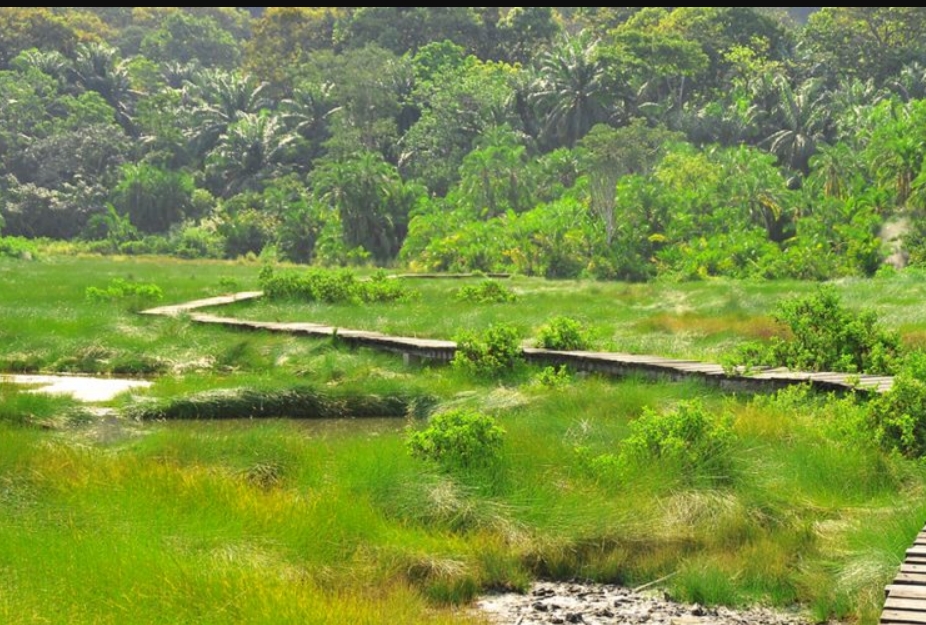
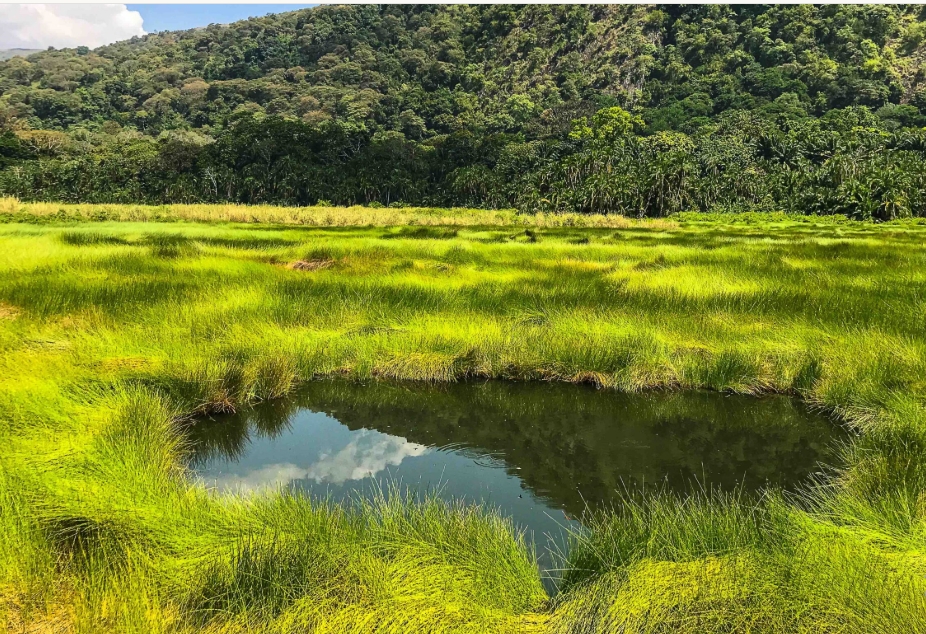
Kibale Forest is also an excellent destination for both birdlife and birdwatchers seeking unique bird species, including forest, wetland, and waterbirds, featuring over 372 bird species, and this is attributed to the park’s ecosystems due to its diverse vegetation. The park includes equatorial tropical rainforest, grassland, and swampy areas like Bigodi and Sebitoli wetlands, contributing to its rich biodiversity.
Birdwatching in Kibale Forest National Park can be done throughout the year, both in the rainy season and the dry season, this is because majority of these birds are permanent residents. However, there are specific times when birdwatching is more enjoyable.
Unlike chimpanzee trekking, which guarantees seeing chimpanzees, birding varies by month, with certain periods offering more bird species sightings. Some months feature migratory birds, while others showcase only the park’s permanent residents. It is important for birders to know these times for the best experience.
The best time for birdwatching in Kibale Forest National Park
Kibale Forest National Park experiences two weather seasons each year. The dry period takes place from June to September and December to February, characterised with little rainfall and short vegetation, making it popular for travelers due to smoother activities. In contrast, the rainy season lasts from March to May and October to November, bringing heavy rainfall and tall, thick vegetation, which often deters tourists. During this time, visibility of wildlife is reduced due to the dense growth.
June to September
June to September is convenient for birdwatching in Kibale Forest National Park because many bird species are present due to abundant food, as it is the fruiting season. This period receives intermittent rainfall, making the birding trekking trails dry and accessible.
The roads to the park are also in good condition, allowing easy access for bird lovers. During the dry season, the vegetation is short, providing good visibility to spot birds. Other months with low rainfall include December, January, and February.
November to April
From November to April, birders can enjoy seeing migratory birds in a national park, as many come from Asia and Europe to escape winter. This period offers a chance to observe both local and migratory species, though rain in October, November, March, and April may reduce birding activities.
What to carry on a birdwatching safari in the Park
What is the Best Time to do Birdwatching in Kibale: Tourists visiting Kibale Forest National Park for birdwatching should bring waterproof hiking shoes, gardening gloves, gaiters, long-sleeved shirts, a rain jacket, a sweater, a light backpack, a field guidebook, a camera, binoculars, sunscreen, sunglasses, insect repellent, drinking water, and energy snacks.
Bird species to see in the Park
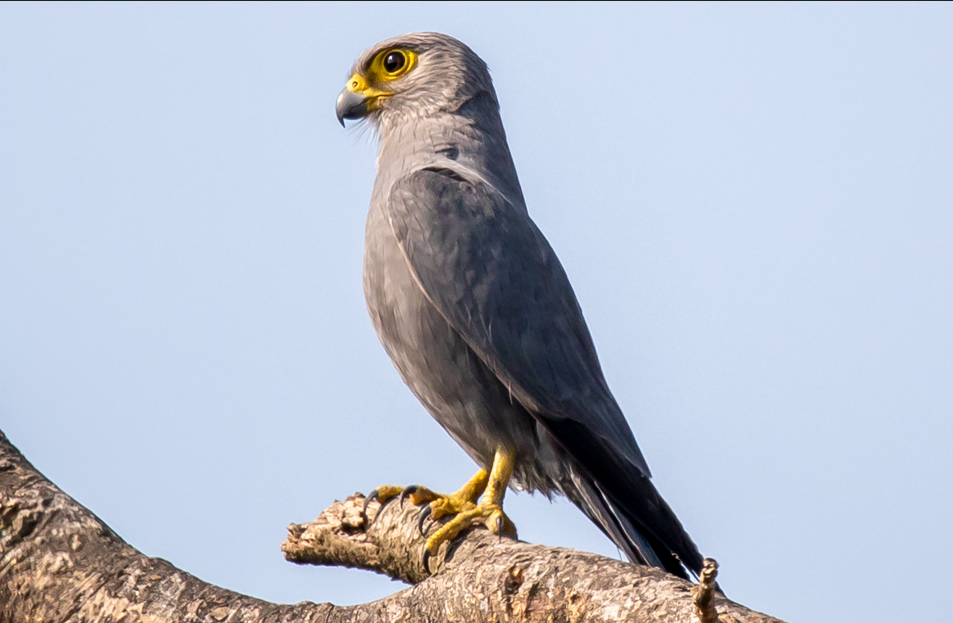
Travellers especially nature enthusiasts have an opportunity of spotting adiverse range of bird species such as the African Grey Parrot, African dusky flycatcher, grey-green bush shrike, spot-flanked barbet, greater honeyguide, white-bellied crested flycatcher, African pitta, purple-breasted Sunbird, Abyssinian ground thrush, grey-throated barbet, zebra waxbill, bare-faced go-away bird, brown illadopsis, African black-headed oriole, white-collared olive-back, white-spotted flufftail, Nahan’s francolin, and more.
Kibale National Park is home to many other birds, including the African grey parrot, black bee-eater, brown-backed scrub-robin, red-winged francolin, red-chested owlet, African firefinch, black-eared ground thrush, papyrus canary, red-winged francolin, yellow-billed barbet, hairy-breasted barbet, white-crested turaco, speckle-breasted woodpecker, African blue flycatcher, piacpiac, Cameroon sombre greenbul, African emerald cuckoo, papyrus gonolek, and yellow-billed barbet, among others.
Where to stay in Kibale Forest national park
Travellers planning to visit Kibale for its unique and thrilling activities always ask about the accommodation facilities in the area. There is no need to worry because Kibale Forest National Park has a diverse range of accommodation facilities ranging from Luxury, mid-range and budget options, all offering unique services, comfort, tranquility and natural beauty of the forest based on the traveller’s budget.
These accommodation options include Chimpundu Safari Lodge, Guereza Canopy Lodge, Kibale Lodge, Bweza Lodge, Kibale Tourist Safari Lodge, Kyaninga Safari Lodge, Isunga Lodge, Kibale Forest Lodge, Kibale Forest Camp, Turaco Tree Tops, Kibale Chimp View, Primate Lodge, among others.