Uniqueness of Akagera National Park.
The uniqueness of Akagera National Park: Akagera National Park is an exciting tourist destination in Rwanda, found in the eastern region. It offers breathtaking safaris to travellers with unique landscapes. This is where the mighty Big Five mammals roam freely, making it one of the greatest safari destinations to enjoy a complete Big Five safari in Africa. Akagera National Park was established in 1934 with the primary purpose of conserving and protecting wildlife species. Initially, it covered an area of about 2500 square kilometers, but later in 1997 it was reduced to 1,122 square kilometers, making it the largest national park in the country.
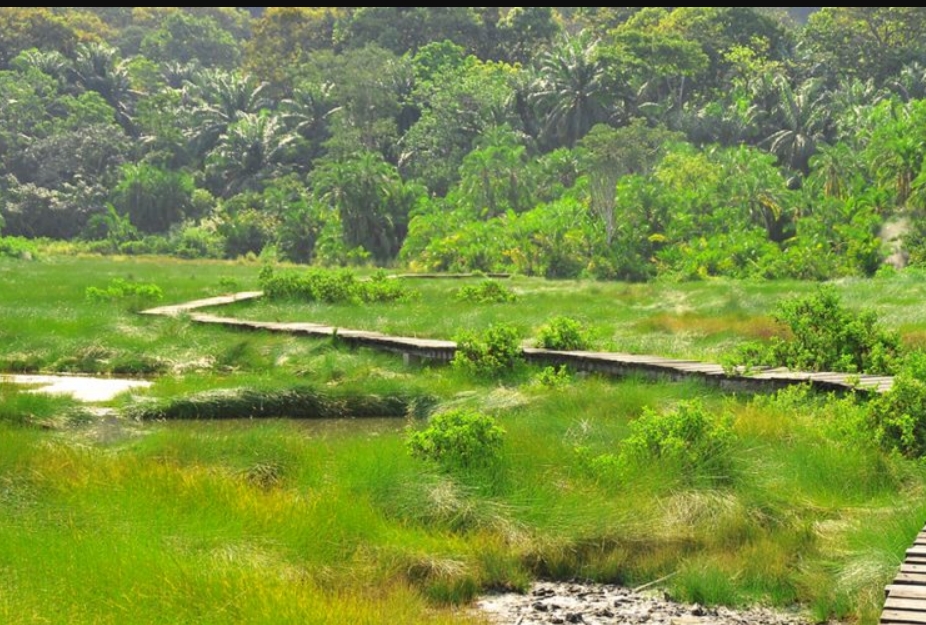
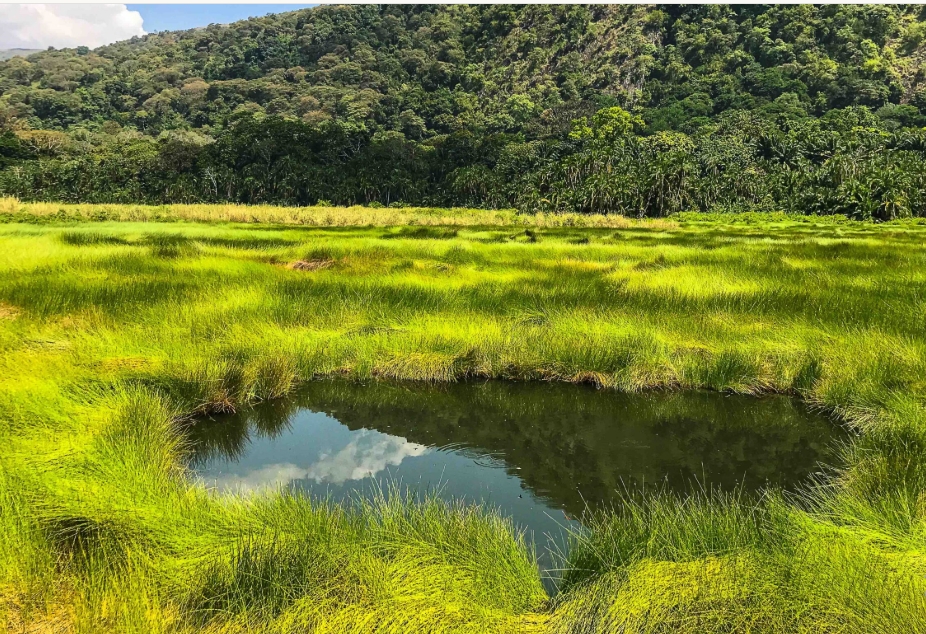
It is the only savannah park in the country with diverse wildlife and bird species. It hosts up to 500 bird species, including woodland species, water birds, savannah birds, and migratory bird species. It has over 120 reptile, amphibian species and 90 mammal species, such as caracal, giraffes, elephants, buffalo, leopards, impalas, hippos, crocodiles, and more. These unique wildlife and bird species are supported by the park’s diverse ecosystems that provide habitats to them, including wetlands, rolling hills, woodlands, lakes, and savannah grasslands. This is one of the best destinations that nature lovers shouldn’t miss while on their African safari in East Africa.
Things that show the uniqueness of Akagera National Park.
Rich Bird Life.
Akagera National Park is blessed with over 500 unique bird species that attract ornithologists and bird lovers to enjoy the beautiful sounds and songs of these awesome bird species, including savannah birds, waterbirds, woodland species, migratory birds, and the park’s endemic species. These birds can be spotted while on guided game drives, boat trips, and nature walks. Some of these birds include Mourning Collared-Dove, White-crested Turaco, Ross’s Turaco, Purple-crested Turaco, Eastern Plantain-eater, Bare-faced Go-away-bird, Osprey, White-faced Whistling-Duck, Fulvous Whistling-Duck, shoe bill stork, Knob-billed Duck, Secretarybird, Red-faced Barbet, Egyptian Goose, African Pygmy-Goose, Red-billed Duck, Garganey, Blue-billed Teal, Helmeted Guineafowl, Crested Francolin, Ring-necked Francolin, Shelley’s Francolin, Coqui Francolin, Hildebrandt’s Spurfowl, Blue Quail, Red-necked Spurfowl, Blue-headed Coucal, White-browed Coucal, Black Coucal, Blue Malkoha, Great Spotted Cuckoo, Pied Cuckoo, Thick-billed Cuckoo, Dideric Cuckoo, African Cuckoo, Madagascar Cuckoo, Klaas’s Cuckoo, Swamp Nightjar, Fiery-necked Nightjar, Pennant-winged Nightjar, Fiery-necked Nightjar, Freckled Nightjar, Common Swift, African Swift, Mottled Swift, Alpine Swift, Horus Swift, Red-chested Flufftail, African Crake, Lesser Moorhen, Corn Crake, Eurasian Moorhen,Striped Crake, Black Crake, Red-knobbed Coot, African Swamphen, African Finfoot, Gray Crowned-Crane, Water Thick-knee, Black-winged Stilt, Black-bellied Plover, Ring-necked Dove, and more.
The Big Five Mammals.
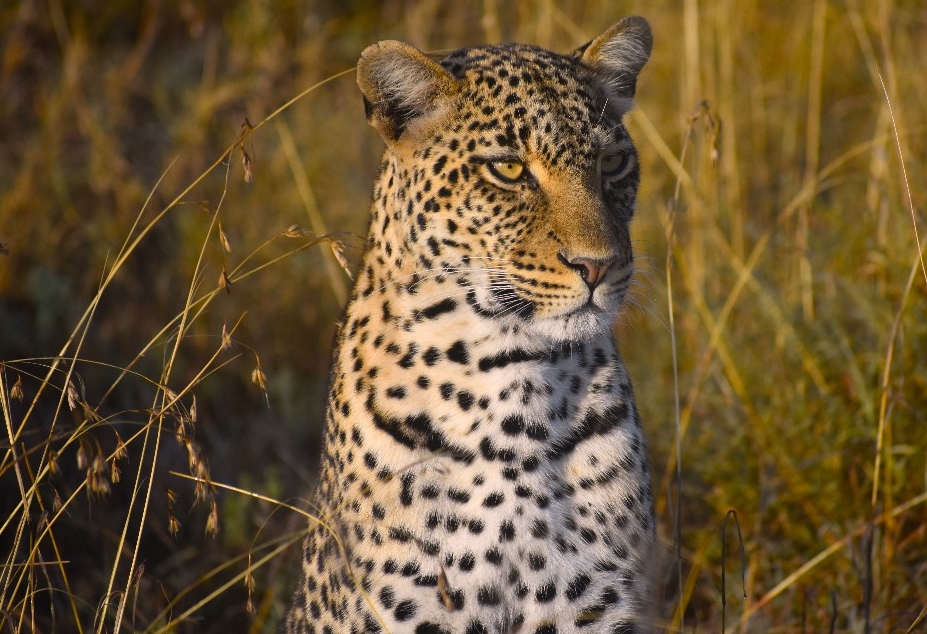
These are one of the things that show the uniqueness of Akagera National Park, this is the only place in where travellers can encounter the African Big Five mammals leopards. Elephants, buffalo, lions, and rhinos. The human settlement on the land led to the poaching of all lions and rhinos that were in the park, but thanks to the reintroduction of lions in 2015 and rhinos in 2017, that balanced the park’s ecosystems and made Akagera a complete Big Five destination. The park also actively involves local communities in conservation through eco-tourism projects. The park’s conservation success story makes it stand out among all African parks, attracting thousands of travellers worldwide to witness its success.
Diverse wildlife species.
Akagera National Park is home to over 90 mammal species, which call this awesome park home, making it one of the top national parks in Rwanda, with a high number of mammal species. This is supported by its rich natural systems, like woodlands, lakes, savannah grasslands, swamps, and rolling hills that provide habitats to these mammals. Some of the mammals include giraffes, elephants, caracal, waterbucks, bush babies, oribi, lions, buffaloes, sitatungas, bush babies, hyenas, hippos, crocodiles, porcupines, Aardvarks, sided-striped jackals, topis, warthogs, impalas, bushbucks, serval cats, Klipspringers, common genet, roan antelope, red duiker, banded mongoose, bat-eared fox, cape hare, tree hyrax, giant forest hog, rock hyrax, bush pig, and plains reedbuck. It also hosts primates, including olive baboons, vervet monkeys, blue monkeys, lesser bush babies, and more. It is also home to over 250 butterfly species, 150 reptile and amphibian species.