Facts about Akagera National Park.
Facts about Akagera National Park: Akagera National Park is a prime safari destination in Rwanda, situated in the northeastern part of the country, bordering Tanzania to the east. It’s the nearest national park, about 110 kilometers from Kigali, the capital city of Rwanda, and the largest park in the country. It was named after the famous River Akagera that flows within the park and feeds various lakes like Lake Ihema. Akagera National Park was established in 1934 purpose of protecting and conserving wildlife species. Initially, the park covered an area of about 2500 square kilometers, but it was reduced to 1,122 square kilometers in 1997 when the land was allocated as farmland for refugees after the 1994 Rwanda genocide.
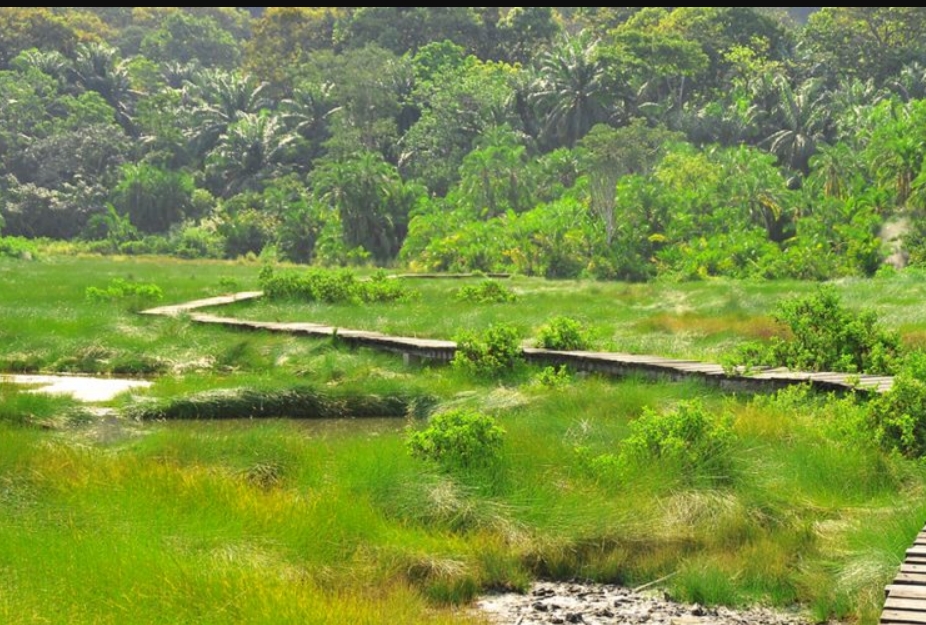
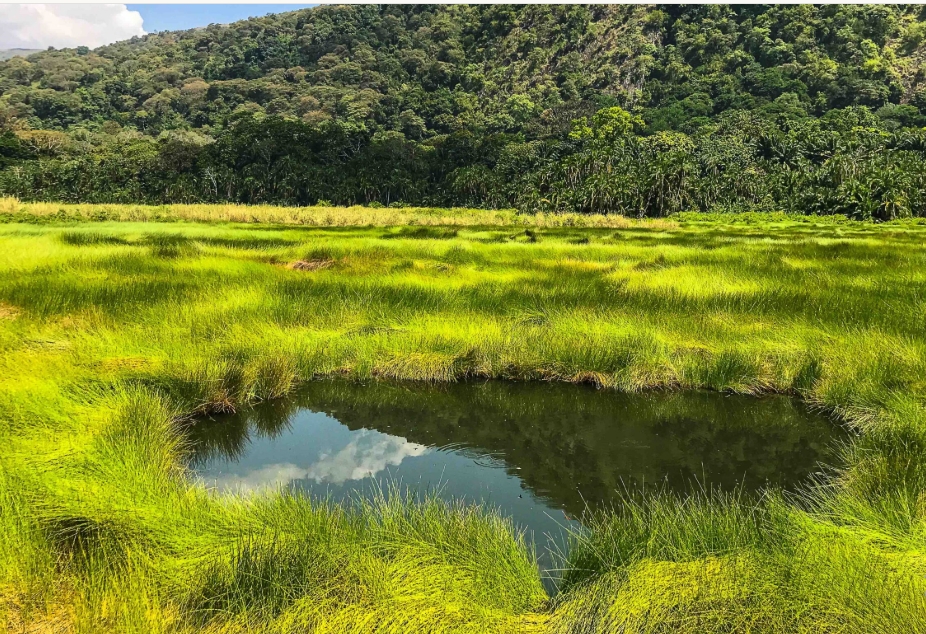
It is one of the national parks in East Africa, with a conservation success story since human settlement on the land led to the poaching of wildlife species, lions and rhinos were extirpated, but the reintroduction of lions and rhinos in the park restored Akagera’s Big Five mammals and transformed it into a conservation success story. It is blessed with unique ecosystems, including woodlands, wetlands, savannah grasslands, lakes, and rolling hills, which support its rich biodiversity. Akagera National Park hosts up to 90 mammal species, including the African Big Five mammals, lions, elephants, rhinos, leopards, and buffalo. It also hosts over 500 bird species, including migratory birds, savannah birds, water birds, woodland species, and the park’s endemic species.
Interesting Facts about Akagera National Park.
Home to Big Five Mammals.
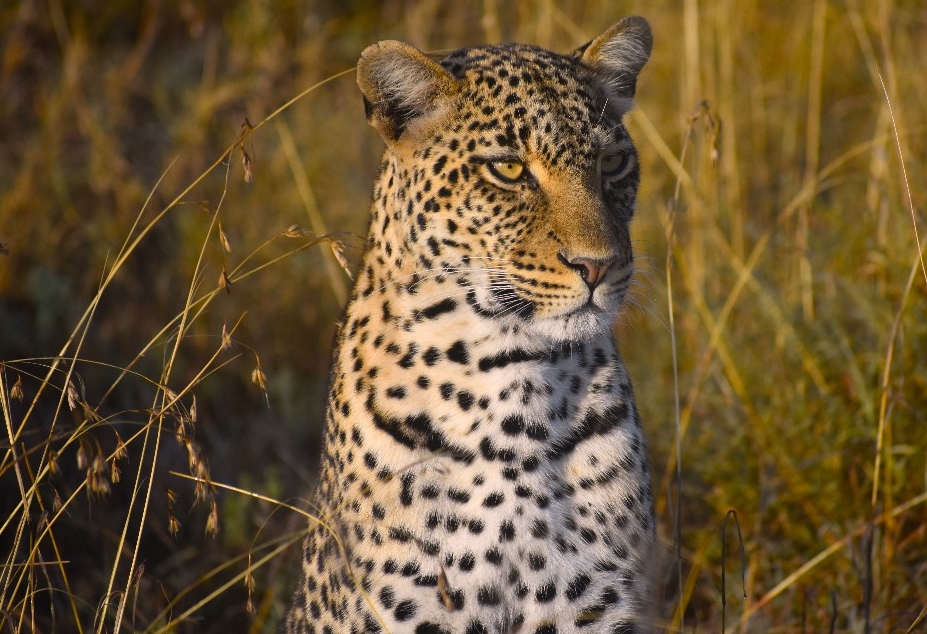
Akagera National Park is the only national park in Rwanda that hosts the African Big Five mammals, including buffalo, elephants, rhinos, lions, and leopards, and these can be spotted on guided game drives. The park offers three sessions: the morning game drive, the evening game drive, and the night game, which are suitable for seeing the nocturnal animals like leopards, which rest during the day and are active at night. Visitors will spot lions roaming around the open savannah grasslands and woodlands, resting under acacia trees or hunting in the early morning and late afternoon. Leopards are the most elusive animals among the Big Five, and they are often seen during night game drives. They rest during the daytime and hunt at night. The night safari gives visitors higher chances of spotting them while moving through the bush. African elephants are often seen in herds near water sources and along park tracks. Cape buffalo occur in large, impressive herds and are frequently encountered grazing in open areas or cooling off near lakes and swamps. Rhinos were once extinct in the park, and were successfully reintroduced; seeing them gives visitors a powerful symbol of the country’s conservation success.
Rich Birdlife.
This is one of the interesting facts about Akagera National Park: it is the only park in Rwanda blessed with the highest number of bird species, over 500 species residing in this awesome park. These include water birds, woodland bird species, the park’s endemic species, savannah birds, and migratory bird species. Some of the park’s bird species include Eastern Plantain-eater, Bare-faced Go-away-bird, Osprey, White-faced Whistling-Duck, Fulvous Whistling-Duck, shoe bill stork, Knob-billed Duck, Secretarybird, Red-faced Barbet, Egyptian Goose, African Pygmy-Goose, Red-billed Duck, Garganey, Blue-billed Teal, Helmeted Guineafowl, Crested Francolin, Ring-necked Francolin, Shelley’s Francolin, Coqui Francolin, Hildebrandt’s Spurfowl, Blue Quail, Red-necked Spurfowl, Dideric Cuckoo, African Cuckoo, Madagascar Cuckoo, Klaas’s Cuckoo, Swamp Nightjar, Fiery-necked Nightjar, Pennant-winged Nightjar, Fiery-necked Nightjar, Freckled Nightjar, Common Swift, African Swift, Mottled Swift, Alpine Swift, Horus Swift, Red-chested Flufftail, African Crake, Lesser Moorhen, Corn Crake, Eurasian Moorhen,Striped Crake, Black Crake, Red-knobbed Coot, African Swamphen, Black-winged Pratincole, Lesser Black-backed Gull, Gray-hooded Gull, White-winged Tern, African Skimmer, Little Grebe, Saddle-billed Stork, African Darter, Pink-backed Pelican, Bateleur, Common Ringed Plover, Senegal Lapwing, Brown-chested Lapwing, Spur-winged Lapwing, Greater Painted-Snipe, Lesser Jacana among more.
Exceptional Wildlife Diversity.
Akagera National Park has unique natural systems that provide habitats to various wildlife species, including savannah grasslands, rolling hills, woodlands, wetlands, and lakes. The park is home to over 90 mammal species, including the Big Five mammals. Examples of mammal species include lions, elephants, buffalo, elands, giraffes, oribi, waterbucks, bush babies, blue monkeys, warthogs, impalas, olive baboons, civets, hippos, crocodiles, zebras, topi, caracal, pata’s monkeys, sitatunga, hyena, Aardvark, grant’s gazelle, thomason’s gazelle, lesser kudu, pangolin, porcupine, greater cane rat. Rock hyrax, tree hyrax, giant forest hog, bush pig, banded mongoose, black-backed jackal, side-striped jackal, klipspringer, duikers, bohor reedbuck, and more.