Uganda’s Semuliki National Park
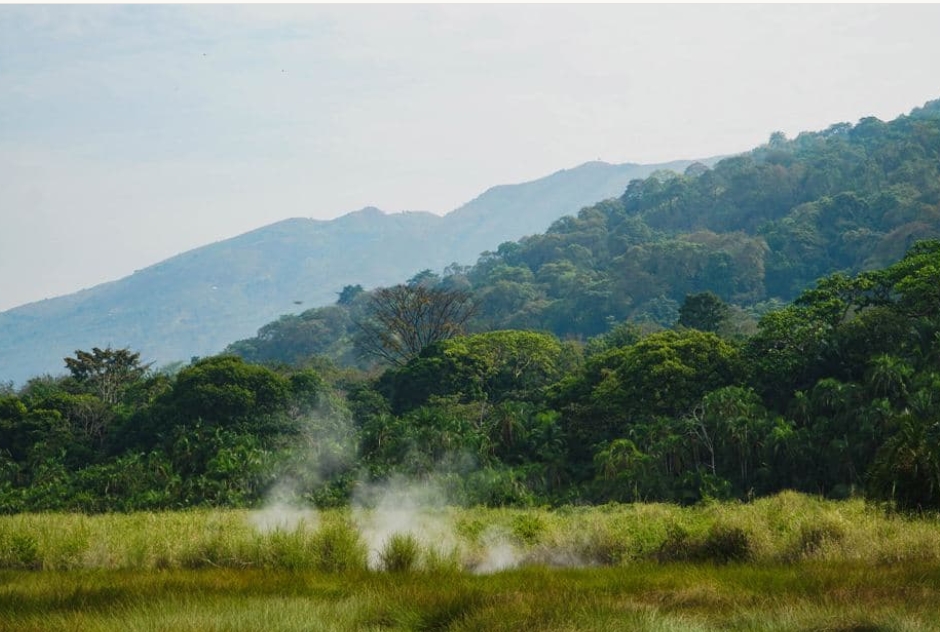
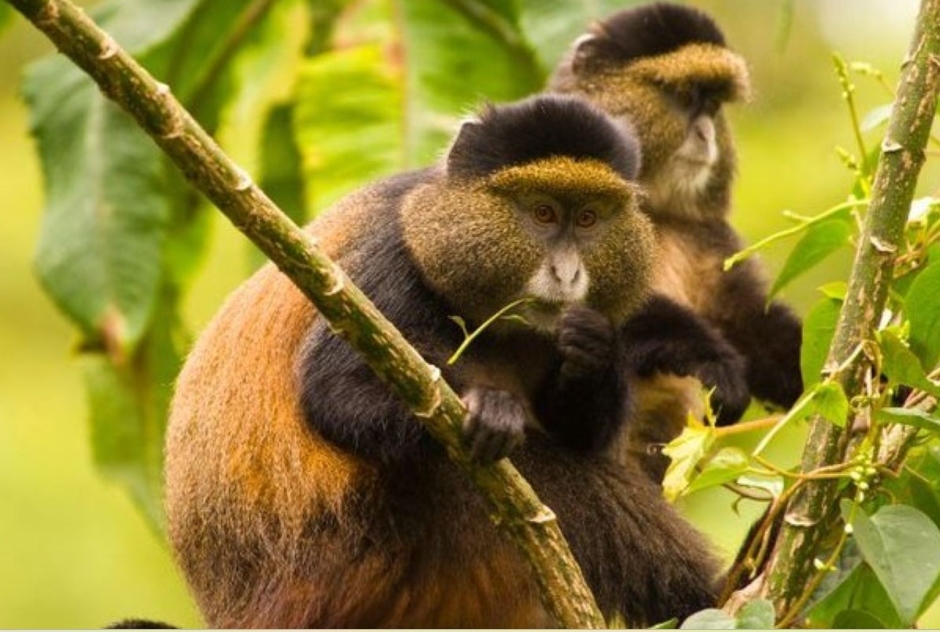
Uganda’s Semuliki National Park: It is located south of Lake Albert along the country’s western border with the Democratic Republic of the Congo. The Uganda Wildlife Authority, which oversees and regulates all park operations, protects Semuliki National Park, which is located in the Bundibugyo District. Semuliki National Park lies in western Uganda about 400 kilometres and 4-5 hours’ drive from Kampala/Entebbe, the primary starting location for safaris in Uganda. The 220 square km that make up Semuliki is home to a variety of wildlife. 53 mammals, 9 primates, 448 butterflies, and 435 bird species can be found at Semuliki Park.
Visitors must participate in the various activities held in Semuliki National Park in order to fully experience it. Since they take place in various parts of the park, activities at Semuliki National Park do aid visitors in exploring the park. The more visitors visit different parts of the park, the more they learn and discover about its hidden gem.
Activities to do in Semuliki Park
Bird watching
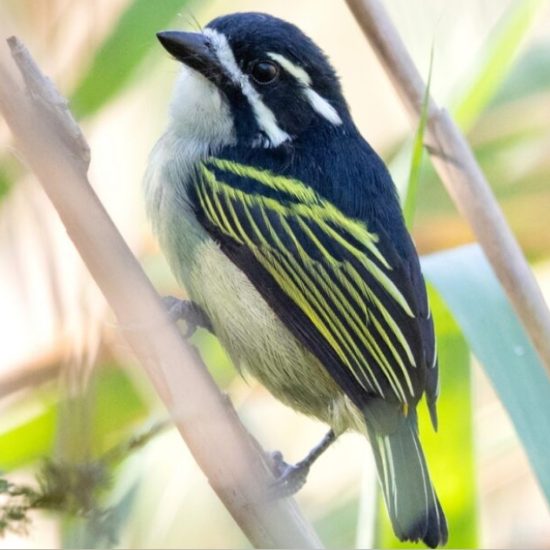
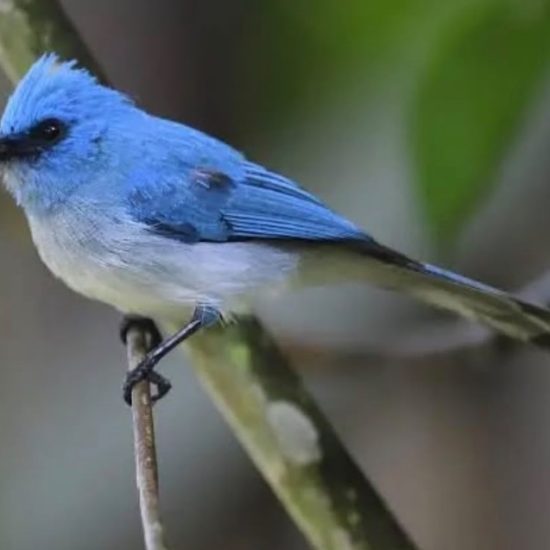
Uganda’s Semuliki National Park: Bird watching is one of the most done activities in Semuliki national park for it harbors over 435 bird species. It’s said that 23 of these bird species are endemic to the Albertine regions and cannot be seen anywhere else in the country. Bird watching is done with armed ranger guides for security and then local guides because they know most corners park where birds be.
Birders in Semuliki national park will get an opportunity to see so many bird species of the park for example Ross’s Turaco, Shoebill stork, Grauer’s cuckoo-shrike, Zenker’s honeyguide, Black-Dwarf hornbill, White thighed hornbill, Blue-headed Crested Flycatcher, Red-bellied Malimbe, Long-tailed hawk, Black-Dwarf hornbill, Green-tailed bristlebill, pale-fronted negrofinch, Orange Cheeked waxbill, Rufous-sided broadbill, Xavier greenbul, Capuchin babbler, and Fire-crested Alethe
Other birds that can be seen in Semuliki park are African piculet, Yellow-throated Nicator, Crested Malimbe, Leaf-love, Great blue Turaco, Northern bearded scrub robin, Gabon woodpecker, Chestnut-breasted Negrofinch, White-bellied kingfisher, Eastern-bearded Greenbuls, Sassi’s olive greenbul, Black-throated coucal, Black-casqued Wattled Hornbill, Black Dwarf Hornbill, Grant’s bluebill, and Piping Hornbill
Cultural tours
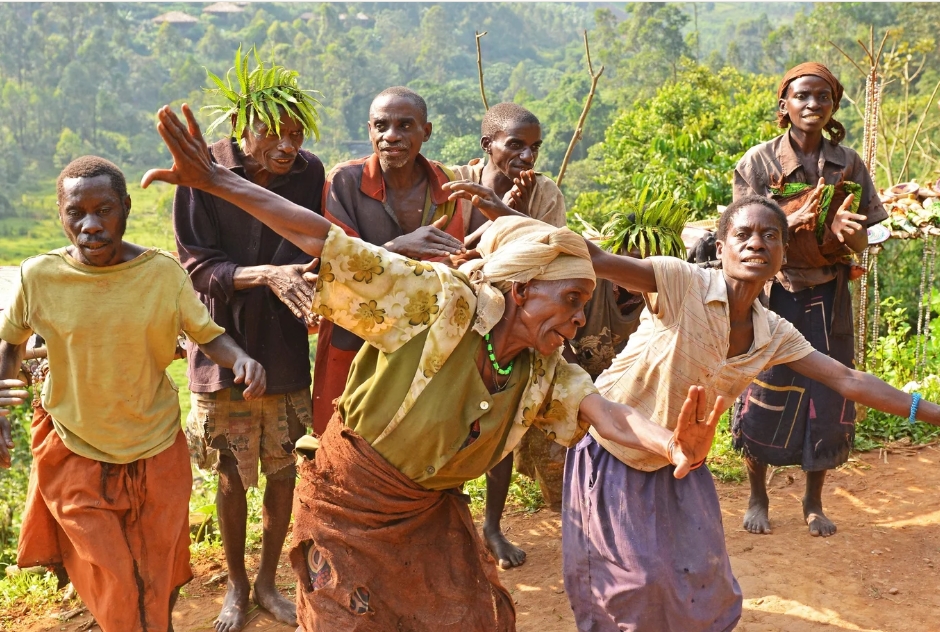
Semuliki national park used to be a hoe of Batwa pygmies before the government came in to gazetted the area as a national ark. In 1993, batwa were evicted and they settled around the park boundaries forming different villages where tourists can find them. Boma cultural village and Ntandi pygmies are some of the villages where tourists can find Batwa pygmies.
A visit to the Batwa pygmies is normally led by a local guide from within the community who knows the areas of Batwa well. They will take you to any of the villages where you will be welcomed by the traditional dancers. You will be taken to different homes where you will learn the way of living of these people and you will also meet elders who will tell you stories of long ago.
Butterfly watching
Semuliki national park harbors the highest number of butterflies in the country which makes it the best destination to go butterfly watching. Over 448 butterfly species have been recorded in Semuliki national park and they include mung bean moth, charaxes fulvescens, sarothroceras banaka, andriasa contraria, soldier commodore, gregori’s brown pansy, spiny bollworm, charaxes pollux, forest glade nymph, fulvous hawk, euphaedra rattrayi, bicyclus, boisduval’s tree nymph, and simple orange forester.
nemetes sailer, euphaedra alacris, polyptychus carteri, common glassy Acraea, mulberry hawkmoth, small black bush brown, cymothoe confusa, euphaedra hollandi, common pathfinder, aletis helcita, bicyclus mollitia, catuna crithea, belenois solilucis, euphaedra edwardsii, savanna pathfinder, hill bush brown, biston abruptaria, rhodope dotted border, chirinda bush brown and toothed stately bush brown among others.
Nature walks
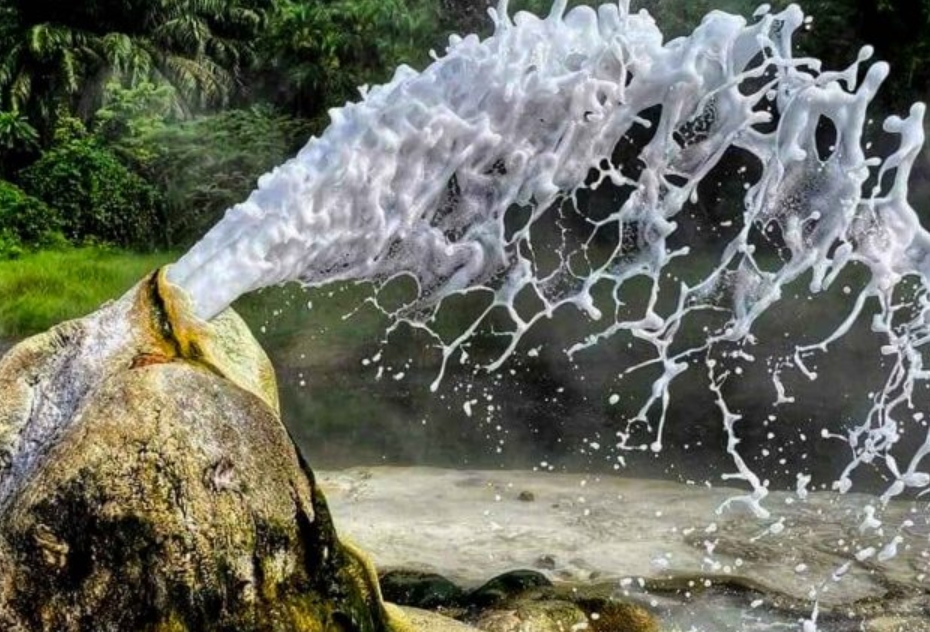
Tourists can discover the different attractions in Semuliki national park by participating in nature walk activities. Guide nature walks in this park take tourists to different areas using different trails which increases the chances of what is found in the park. During nature walks, tourists are able to see mammals, primates, butterflies, birds, plants, and hot springs to mention but a few.
Best time to go to the Park
Uganda’s Semuliki National Park: Tourists can go to Semuliki park at any time of the year however some months are better than others. The dry season months from June to September and December to February are the best to visit Semuliki national park. This is because the dry season months are characterized by too little or no rainfall and plenty of sunshine. The park walking trails are dry and easier to go through and the vegetation is short with clear views of wildlife.
Tourists can still take a visit to Semuliki in the rainy season from March to May and October to November because the park is always open. A few tourists especially budget travelers visit the park in the rainy season because of the plenty of rainfall and little sunshine. The walking trails are muddy and slippery, vegetation is tall with unclear views of wildlife, and roads leading to the park are in poor condition.