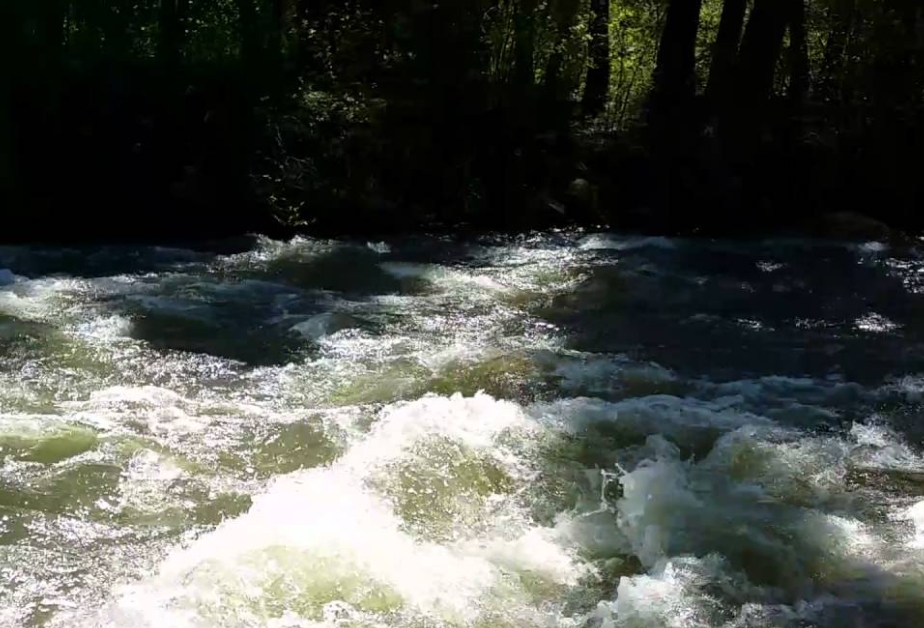
Wasa River Experience in Semuliki
Wasa River Experience in Semuliki: One of the rivers that flows through Semuliki National Park in western Uganda is the Wasa River. Lake Albert, which is situated north of Semuliki National Park, provides the river with its water. Among the various tourist attractions in Semuliki National Park is the Wasa River. One of Uganda’s protected national parks is Semuliki National Park, which is located in the Bundibugyo area.
The Uganda Wildlife Authority gazetted Semuliki National Park as a national park in 1993 with the intention of safeguarding the park’s various attractions. The Uganda Wildlife Authority has done a fantastic job of safeguarding Semuliki National Park’s features. Today’s visitors are taken aback by the park’s numerous attractions.
Over 435 bird species, 9 primates, 53 animals, 448 butterflies, hot springs, and rivers can all be found at Semuliki National Park. One of the rivers that flows through Semuliki National Park and connects to Lake Albert on the park’s northern edge is the Wasa River. Numerous animals and birds from Semuliki National Park are drawn to the Wasa River.
Wasa River in Semuliki national park
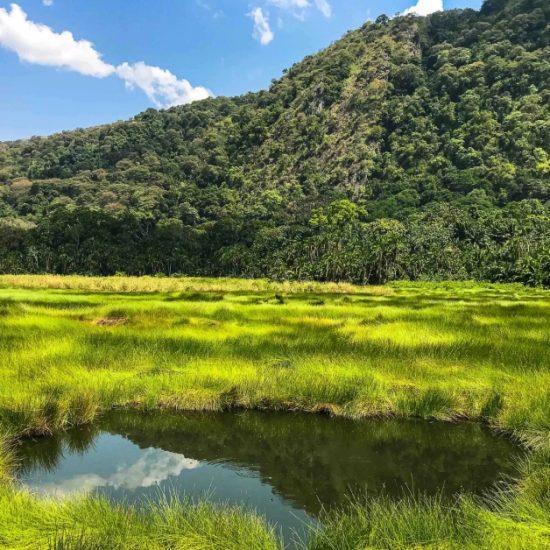
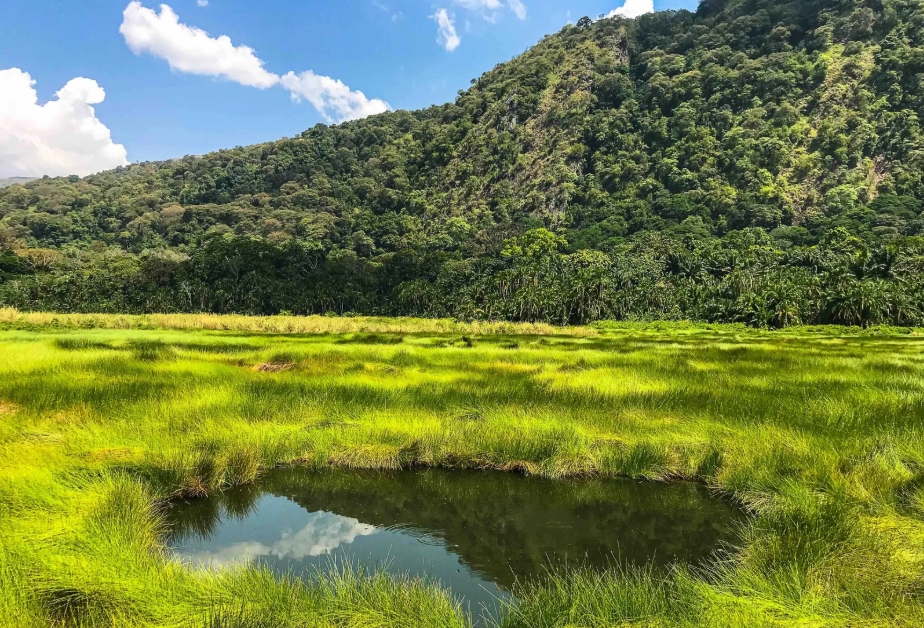
Wasa River Experience in Semuliki: The Wasa River is a stunning river in Semuliki National Park that runs year-round surrounded by lush greenery. Numerous wildlife species, including birds, primates, and mammals, can be found among the foliage. When tourists engage in activities like nature walks and boat excursions, they can always witness the animals surrounding the Wasa River. The majority of the animals observed have already been documented in Semuliki National Park.
Other attractions in Semuliki national park
Animals
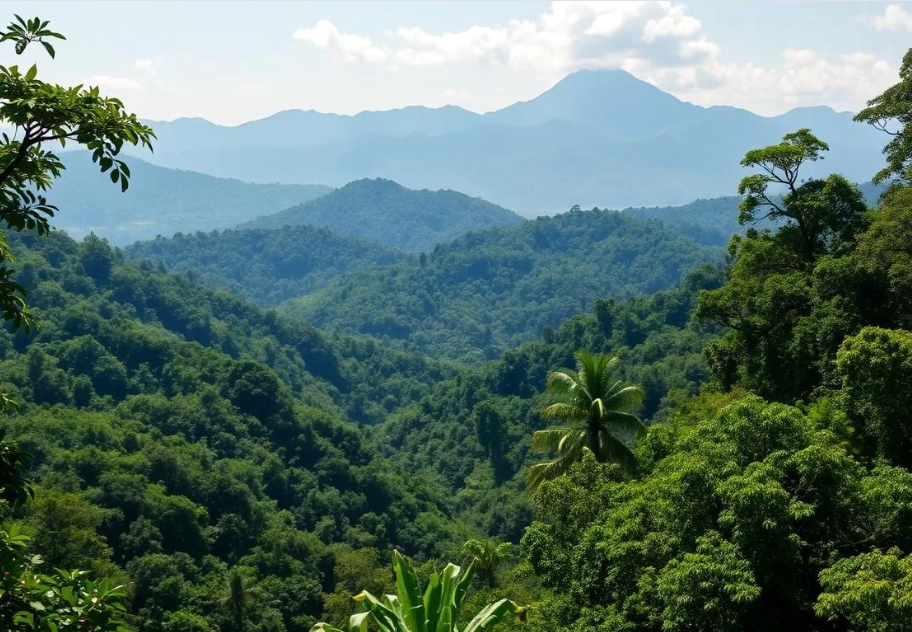
Over 9 primates and 53 mammals are reportedly found in the lowland tropical rainforest of Semuliki National Park. These creatures are among the things that draw visitors to the park. The animals can be viewed while participating in various park activities, but the guided nature walks are the most popular. The park’s several nature walk routes are used to look for various wildlife species and park attractions.
Several species including Leopards, forest elephants, Uganda kobs, crocodiles, forest giant squirrels, sitatungas, warthogs, forest buffaloes, bats, hippos, and side-striped jackals are among the creatures found in Semuliki National Park. Chimpanzees, red colobus monkeys, blue monkeys, black-and-white monkeys, olive baboons, vervet monkeys, de Brazza’s monkeys, and mangabeys are among the primates found in this park.
Birds
It is estimated that Semuliki National Park is home to around 435 bird species, of which about 23 are indigenous to the Albertine region. Many birds have come to Semuliki National Park to observe the various bird species that may be found there. One of the most popular pastimes in this park is bird watching, and skilled birdwatchers can observe the majority of the bird species that have been identified here.
Congo serpent eagles, Blue-billed malimbe, Shoe-bill stork, African piculet, Malachite kingfisher, Forbe’s plover, Gabon woodpecker, Black-chinned quailfinch, Leaf-love, Rufous-sided broadbill, Grauer’s cuckoo-shrike, White-crested hornbill, Orange-cheeked waxbill, Red-billed dwarf hornbill, Zenker’s honeyguide, Ross’s Turaco, Red-bellied Malimbe, Chestnut-breasted Negrofinch, Great White Pelican, and Red-rumped Tinkerbird are among the bird species found in Semuliki National Park.
The Gabon woodpecker, Long-tailed hawk, Xavier greenbul, Sassi’s olive greenbul, Capuchin babbler, Lyre-tailed Honeyguide, White-crested hornbill, Blue-headed Crested Flycatcher, Chestnut owlet, Northern bearded scrub robin, Blue-billed malimbe, White-bellied kingfisher, Black-Dwarf hornbill, Black-casqued Wattled Hornbill, Grant’s bluebill, Lemon-bellied Crombec, Great Blue Turaco, White-thighed hornbill, and Purple-breasted sunbird are some of the park.
Hot springs
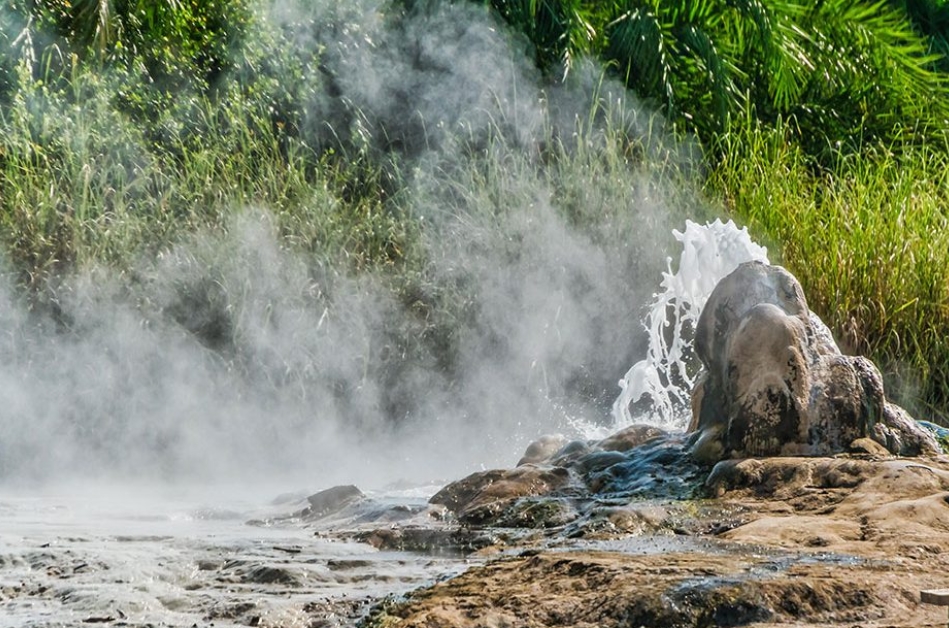
The hot springs are one of Semuliki National Park’s most well-known features. Within the national park, there are two hot springs that are close to one another. The female hot springs, which have a geyser that shoots hot water three metres into the air, are the most popular. Because the waters of the male hot springs are not as heated as those of the female, fewer people visit them.
Armed ranger guides accompany visitors to Semuliki National Park’s thermal springs. In addition to teaching, you the activity’s laws and restrictions, these also provide you with knowledge about the hot springs’ history. In addition to taking pictures and making recordings at the hot springs, visitors can reserve eggs until they are ready to be served.
Butterflies
Semuliki National Park is home to over 44% of Uganda’s butterfly population. They are always visible to visitors during park-organized butterfly-watching events. Butterflies to see include, hill bush brown, simple orange forester, cymothoe ochreata, Boisduval’s tree nymph, chiasmia fulvisparsa, common glassy Acraea, violet banded palla, gregori’s brown pansy, common ginger white, haritalodes polycymalis, and others.
Others include square winged red charaxes, common nephele, neuroxena ansorgei, chirinda bush brown, euphaedra edwardsii, fulvous hawk, small black bush brown and coffee berry moth, savanna pathfinder, Veined swordtail, andriasa contraria, plain vagrant, common blue banded forester, euphaedra eberti, mung bean moth, angular glider, sarothroceras banaka, cymothoe Cyclades, nemetes saile, mulberry hawkmoth, among others.
Best time to visit Wasa River in Semuliki National Park
Wasa River Experience in Semuliki: Although visitors can visit the Wasa River in Semuliki National Park at any time of year, the best time to do so is during the dry season. In Semuliki, there is little to no rainfall throughout the dry season. Because there isn’t much rainfall at this time, the river may not have much water, but it’s the perfect time to undertake most park activities.
Since the park is constantly open, tourists, particularly those on a tight budget, can visit Wasa River in Semuliki during the rainy season. The park experiences excessive rainfall and little sunshine throughout the rainy season, which runs from March to May and October to November.
Budget travellers benefit from the rainy season since lodging is inexpensive, while birdwatchers benefit because migratory birds are in the park during this time.