The World of Mountain Gorillas
The World of Mountain Gorillas, besides being a unique species in the world of primates and apes, mountain gorillas have an interesting and exciting history, making them one of the rare species that draws a large number of tourists globally. Approximately 9 million years ago, monkeys and apes in Africa and Arabia are believed to have led to the emergence of gorillas. Around 2 million years ago, Eastern gorillas separated from Western gorillas in western and central Africa. Subsequently, 400,000 years ago, Eastern gorillas further split into mountain gorillas, which are found in Uganda, Rwanda and DR Congo, and eastern lowland gorillas.
The name “gorilla,” selected in 1852, replaced the original genus name Troglodytes, and in 1967, Colin Groves later introduced distinct names for the three species: Western Lowland Gorilla, Eastern Lowland Gorilla, and Mountain Gorilla. This article will highlight more about the factual origin of these magical gentle giants. This article will cover more information regarding the true origins of these enchanted gentle giants.
Habitats for mountain gorillas
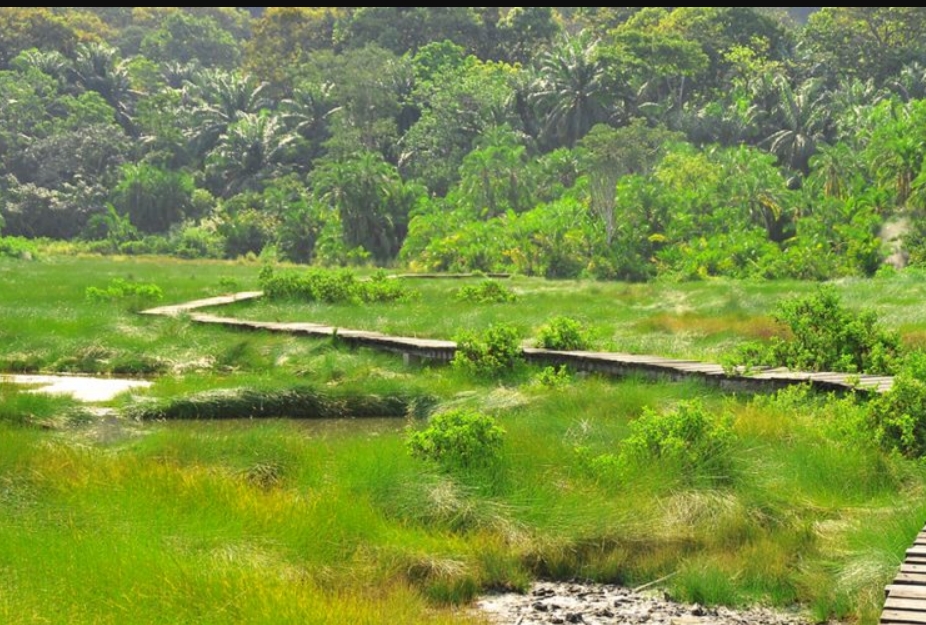
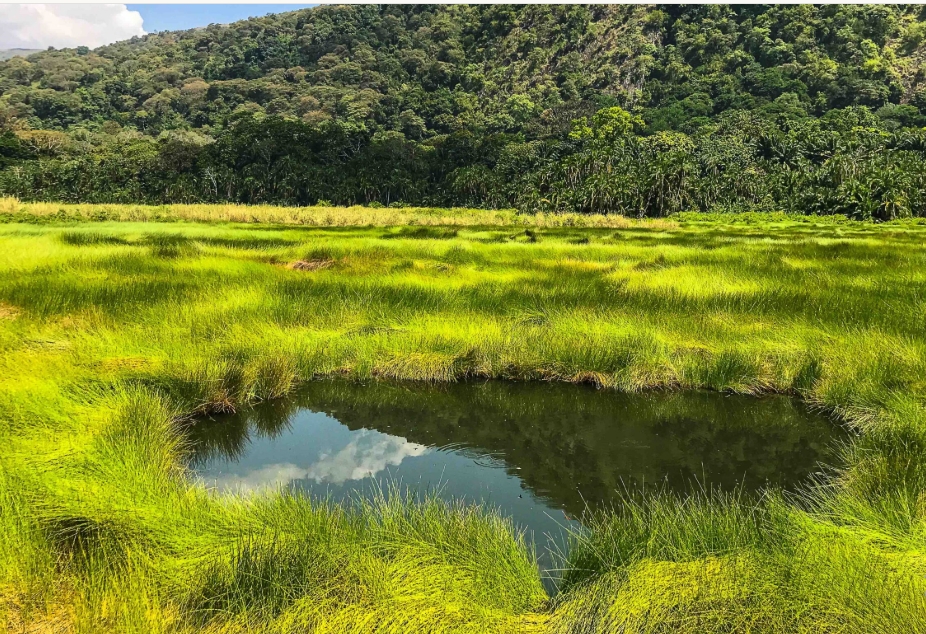
Mountain gorillas are found exclusively in Uganda, Rwanda, and the Democratic Republic of Congo, with Uganda housing the majority in Bwindi Impenetrable National Park and Mgahinga Gorilla National Park. In Rwanda, they reside in Volcanoes National Park, and in Congo, within Virunga National Park. These regions offer the ideal habitat at high altitudes (7,200–14,100 feet) that supports dense vegetation. In contrast, lowland gorillas are found in several countries in West and Central Africa, with an overall population of over 250,000 for western lowland gorillas, while eastern lowland gorillas number less than 8,000. Mountain gorillas, which cannot survive in captivity, are critically assessed; a 2018 census recorded about 14 remaining individuals, leading to their classification as endangered by the IUCN.
Physical Characteristics- The World of Mountain Gorillas
The World of Mountain Gorillas, they possess thicker fur than other gorilla types, enabling them to thrive in colder, higher altitudes. Adult males, known as silverbacks due to the silver hair on their backs, can weigh up to 195 kilograms, while adult females weigh around 100 kilograms. Although mountain gorillas are generally smaller than eastern lowland gorillas, silverbacks are significantly stronger than the largest human. Each gorilla has unique nose prints for identification and exhibits physical traits like dark brown eyes and longer hands compared to their legs. They primarily move through knuckle-walking and are diurnal, spending their day (6:00 am to 6:00 pm) foraging for insects, leaves, roots, and fruits to maintain their size.
Mountain gorillas have distinct daily patterns, with the most active feeding occurring in the morning, followed by a mid-day rest that encourages social bonding through grooming and play, particularly among juveniles. Communication among group members is facilitated by vocalizations. As night falls, adults build ground nests from foliage, sharing them with their infants. While mountain gorillas primarily stay on the ground, they may climb trees to seek fruit, although accidents from falls are a risk. They display aversions to certain insects and reptiles, such as caterpillars and chameleons, and are generally afraid of water, preferring to cross streams using fallen logs. Socially, mountain gorillas form stable and cohesive groups led by a dominant silverback; however, female members often leave to join or form new groups once they mature.
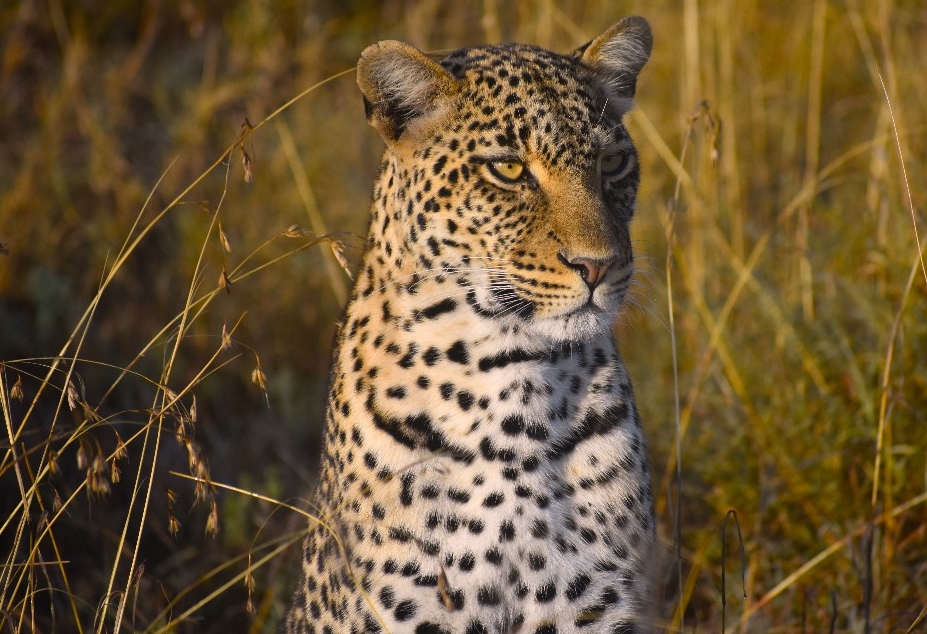
Most female mountain gorillas remain loyal to a dominant silverback for life, with mating often initiated by fertile females. These gorilla groups lack a specific territory, relying on the silverback to defend against intruders. While 36% of groups have multiple silverbacks, the dominant male leads, dictates movements, and selects feeding areas. He resolves conflicts and protects the group from threats, including leopards and humans. If a female leaves or passes away, the silverback cares for her young. The loss of a silverback can destabilise the group, potentially leading to splits or the introduction of a new leader, who may harm existing infants. Despite their strength, mountain gorillas are generally gentle and only display aggression when threatened, preferring intimidation before physical confrontations, which can escalate to violence if necessary.
Dian Fossey and her research on mountain gorillas
Captain Robert von Beringe was the first to identify the mountain gorilla during an expedition in East Africa, leading to the discovery of a new species named Gorilla beringei. Key figures in gorilla research include George Schaller and Dian Fossey, with Fossey significantly advancing gorilla studies and conservation from 1967. She developed techniques for habituating gorillas and initiated the first gorilla census, shifting focus from research to conservation. Fossey categorised conservation efforts into active, theoretical, and community-based approaches, advocating for law enforcement against poaching, improving infrastructure, and involving local communities. Her opposition to poaching led to her murder, but her legacy continues through the Dian Fossey Gorilla Fund International.
Threats and Conservation
Mountain gorillas, numbering over 1,000, remain endangered, primarily due to human activities. Poaching, often through snares intended for other animals, continues to pose a significant threat, especially in the Democratic Republic of Congo (DRC), where civil unrest exacerbates their plight. Despite these challenges, the population has seen some growth, attributed to gorilla tourism, protective measures by governments, and support from researchers and donors. Rehabilitation efforts, such as the Senkwekwe gorilla orphanage, and increased armed patrols in Virunga National Park help combat poaching. The International Gorilla Conservation Programme, established in 1991, plays a crucial role in conservation efforts, supported by major wildlife organizations. Additionally, while controversial evictions of local communities have stabilized populations, further involvement of these communities in tourism is necessary for ongoing success.
Mountain Gorilla Trekking
A gorilla tour is costly but offers an unmatched wildlife experience, surpassing traditional safaris. There are only about 1,063 mountain gorillas left in the wild, with half residing in Uganda and the remainder in Rwanda and the DR Congo, making them an endangered species according to the International Union for Conservation of Nature. The debate over the best country for gorilla safaris varies by personal opinion, with each option presenting unique advantages. Some travellers choose to visit both Rwanda and Uganda to experience different gorilla tracking environments.
Only about 20% of mountain gorillas are habituated, requiring a two-year process to acclimatise to human presence. Non-habituated gorillas are unpredictable, so visitors must avoid them. The best time for gorilla tours is after the rainy season, when the landscape is green and less muddy. Tracking can take between half an hour and 8 hours, depending on the selected gorilla family, and physical and mental preparation is advised. While there is no guarantee of seeing gorillas, the chances exceed 90%. After tracking, visitors can explore related activities, such as visiting the Dian Fossey tomb or engaging in other adventures like safaris, nature walks, and cultural experiences throughout East Africa. Caracal Explorers offers customised packages that combine gorilla safaris in Uganda and Rwanda with additional activities.