The Legacy of the Uganda Martyrs
The Legacy of the Uganda Martyrs: These were believers in Christianity who were willingly persecuted as a penalty because of their faith in Christ. The term martyr is a Greek word coming from the word “martys,” which means a witness, as the Uganda martyrs witnessed their own testimony to the truth till their time of death. This is the reason why every 3rd June was declared a public holiday for the Uganda Martyrs, an important day in Uganda’s history and is treasured by its people.
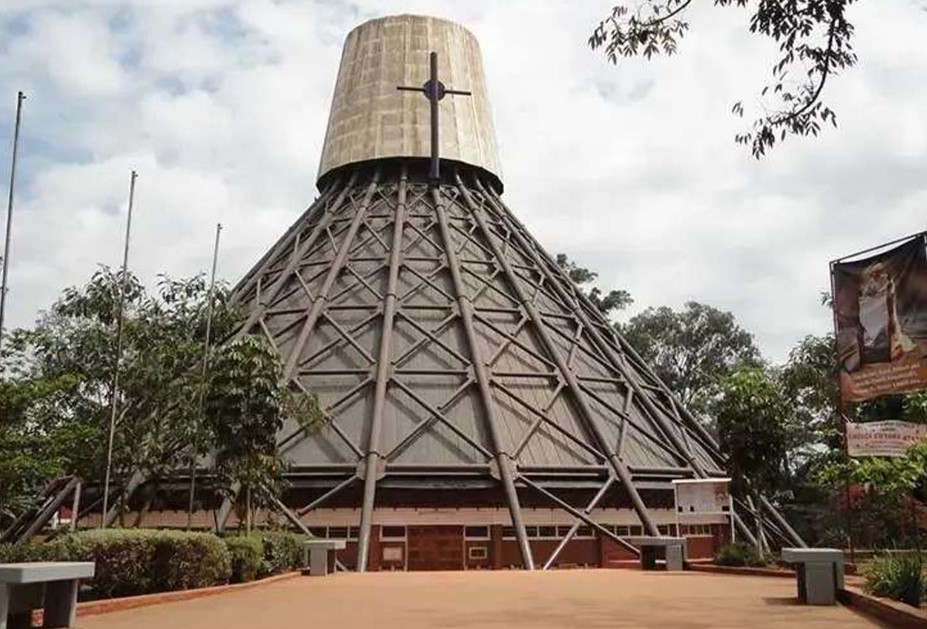
It features historical sites linked to early Christian missionaries and the location where the Uganda Martyrs were killed. Their sacrifice is remembered by Christians in Uganda who celebrate their lives on June 3 each year, attracting many pilgrims from around the world.
When is the official date of the Uganda Martyrs Day celebrations
June 3 every year is Uganda Martyrs is the official date for honoring 45 Christian converts, both Catholic and Anglican, who were executed between 1885 and 1887 for their faith. The martyrs, from the Buganda Kingdom, were killed on King Kabaka Mwanga’s orders, as he saw Christianity as a threat to his power. The day is marked by a pilgrimage to the Uganda Martyrs’ Shrine in Namugongo, where thousands of worshippers come to pray, often traveling long distances.
Why is Namugongo Remembered
Namugongo Martyrs Shrine honors 22 Catholic Christian converts executed by King Mwanga II of Buganda in 1886. The Church of Uganda and the Roman Catholic Church built the shrine for the martyrs to commemorate the Uganda martyrs in honour of the departed souls.
The Namugongo Shrine.
Namugongo martyrs’ shrines are categorised into two: Anglican and has Catholic shrines that are now historical sites. Each year, Uganda Martyrs Day draws millions of pilgrims, including many from outside Uganda. In 1920, Pope Benedict XV declared 22 martyrs as blessed, and on October 18, 1964, Pope Paul VI canonised them saints. Pope Francis visited Namugogo in 2015 and paid homage to the martyrs.
Who Was the Youngest Ugandan Martyr
Saint Kizito, born in 1872, was the youngest martyr who died on June 3, 1886. He was baptized by Charles Lwanga on May 25/26, 1886, and was burned alive in Namugongo. Uganda Martyrs Day honors him with biblical teachings.
History of Uganda Martyr Day
King Mwanga, who began his reign in 1884, viewed foreign missionaries as a threat to his power. The introduction of Christianity led to conflicts with traditional African practices, causing converts to struggle with their loyalties. Mwanga responded with brutality, expelling missionaries and threatening converts with death if they did not abandon their faith, notably targeting the royal pages.
Between 1885 and 1887, 23 Anglican and 22 Catholic converts were executed. The first martyr, Joseph Mukasa Balikuddembe, was killed on November 15, 1885. He was beheaded and burnt in Kampala. On May 27, 1886, Athanasius Bazzekuketta wanted to die where Joseph had died. The Uganda martyrs, tied up, walked over ten miles to Namugongo. Near their destination, Gonzaga Gonza collapsed on Lubaawo Hill and was killed that same day.
In Namugongo, the martyrs were held for about a week before their execution, during which the executioner’s gathered firewood and prepared reeds for the event. On June 3, 1886, Charles Lwanga was the first to be executed, being burned slowly while wrapped in reeds. Thirteen martyrs were burned at Namugongo, and nine others were killed elsewhere. Uganda Martyrs Day serves as a reminder of this event, which, despite the intention to deter others, instead helped spread Christianity in Buganda and beyond.
Pilgrims to Namugongo
The Uganda Martyrs historical site in Namugongo attracts different categories of people both domestically and internationally. Since this day was declared, thousands of staunch Christians across a country begin their trek months before the official date, especially those who come from distant parts of the country. People are always seen trekking on foot along major high ways heading to Kampala City, and after they connect to Namugongo.
Conclusion
Every year, the Uganda Martyrs historical site, Namugongo, hosts at least one million pilgrims during the Martyrs Day celebrations. Ugandan President Yoweri Museveni, other top-ranking government officials attend this annual celebration. High cadre church officials from Kenya, Uganda, and Tanzania also attend this ceremony. However, other dignitaries from various parts of the world also attend the martyrs day every year.