The History and Beauty of Mgahinga National Park
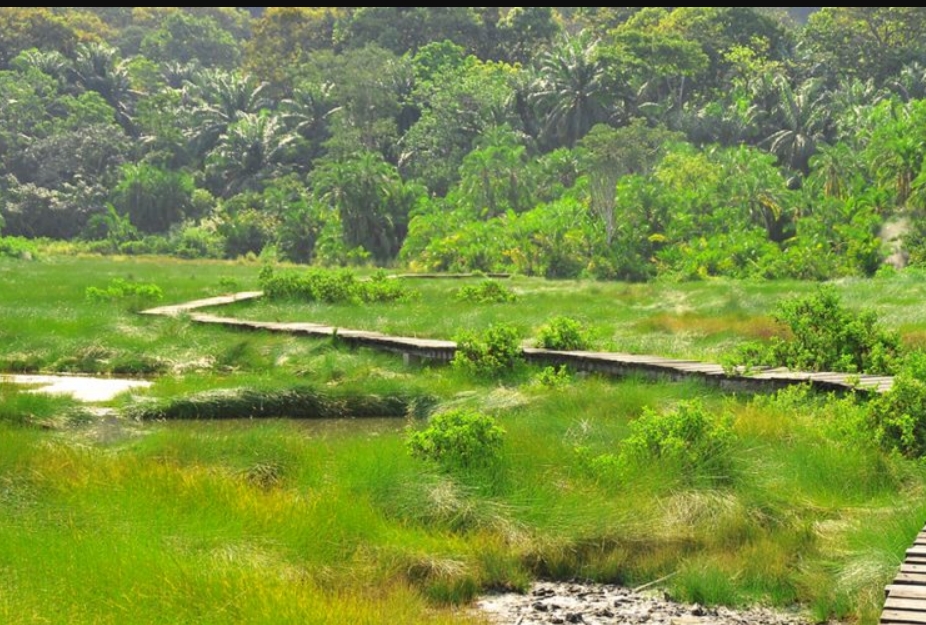
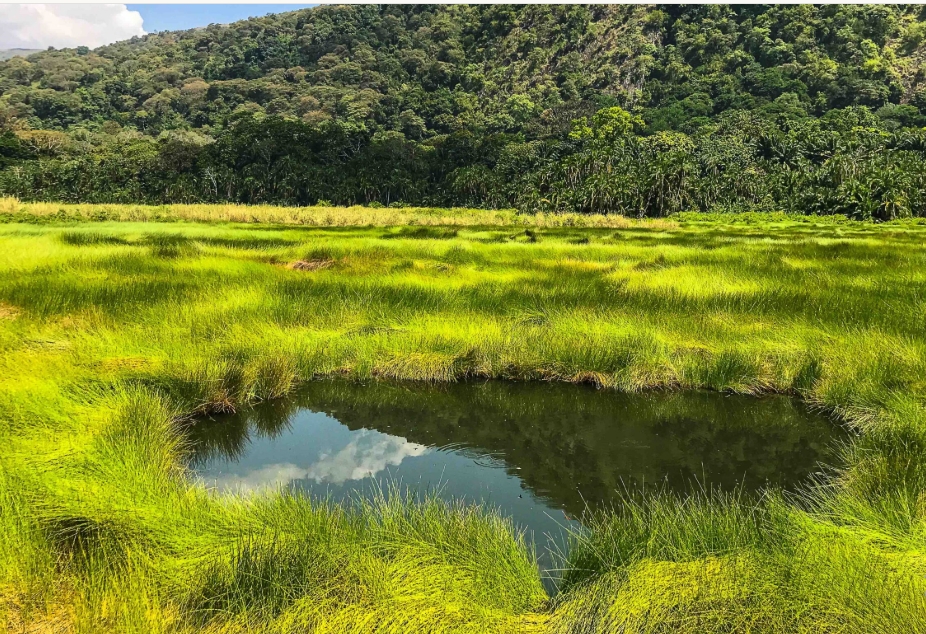
Mgahinga Gorilla National Park is the smallest national park in Uganda, covering 33.9 square kilometers in the southwestern part of the country in Kisoro district. It is known for its endangered mountain gorillas and golden monkeys, attracting visitors globally. The park is situated at high altitudes from 2,227 meters to 4,127 meters. Its main purpose is to protect the rare mountain gorillas and the habitat of the golden monkey, as well as hold cultural importance for the indigenous Batwa people, who are the forest’s original inhabitants.
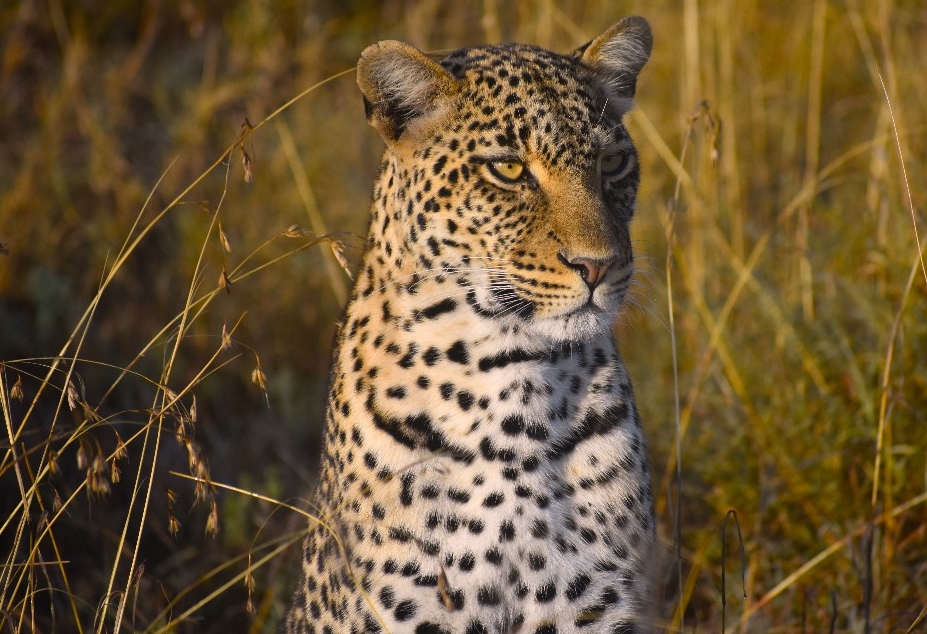
The park features three extinct volcanoes from the Virunga Range, which provide diverse ecosystems and stunning scenery. Additionally, Mgahinga is home to over 76 mammals, including elephants and leopards, and hosts more than 180 bird species, including the unique Shelly’s Crimsonwing, Regal Sunbird, Rwenzori Turaco and Kivu ground thrush, and many others.
The history and beauty of Mgahinga National Park
The British government declared Mgahinga National Park a game sanctuary in 1930, marking the beginning of the park’s history. The Batwa people, who were the forest custodians, were forced to leave the area in 1991 when the government decided to turn it into a national park to preserve and safeguard the endangered mountain gorillas in their natural environment. It is the smallest national park, with 33.9 square kilometres.
The term Mgahinga comes from the word “Gahinga” in Kinyarwanda, meaning a pile of volcanic lava stones at the base of the volcanoes. Mgahinga National Park is part of the Virunga volcanoes, such as Mount Sabyinyo, Mount Muhabura, and Mount Gahinga. The park was once home to the Batwa people (pygmies), who used to coexist with wildlife in the dense forests of Mgahinga National Park and Bwindi Impenetrable Forest. These forest custodians were mainly fruit gatherers, hunters, honey collectors, and from many other sources as part of their survival.
In 1991, the Ugandan government declared a 33.9 square kilometre area as Mgahinga National Park to protect endangered mountain gorillas. The Batwa pygmies had to leave the land for the park’s establishment. After their departure, activities to safeguard the gorillas and other wildlife began. Armed ranger guides were brought in to prevent poaching by residents and the Batwa, which helped protect the wildlife and improve their populations.
Ntebeko is where the park headquarters are located and the starting point for all operations. Visitors gather here to hear from the rangers before starting any activities. Mgahinga National Park originally extended to the borders of Rwanda and the DR Congo. A barrier was built to stop animals, especially mountain gorillas, from crossing into Volcanoes National Park. These animals can move far, even reaching volcanoes, searching for food.
Mgahinga National Park is a highly sought-after destination for tourists in Uganda. It is the smallest national park in the country, but it is famous for its mountain gorillas and golden monkeys, found only in Uganda, Rwanda, and the Democratic Republic of the Congo. Scientists say mountain gorillas share 98% of their DNA with humans, making them beloved animals. Many visitors enjoy seeing these endangered mountain gorillas in their natural environment, contributing to the park’s worldwide popularity.
Tourist Attractions
Animal species
Although Mgahinga National Park is primarily popular for mountain gorillas and the unique, adored golden monkeys, the park has several wildlife species that inhabit the pristine wilderness of the bamboo, montane, and afro-montane vegetation covers. Other wildlife species to see in Mgahinga National Park include bushbucks, forest hogs, forest elephants, bush pigs, duikers, leopards, buffaloes, and other primate species such as blue monkeys, red-tailed and black and white colobus monkeys, among others.
The Batwa pygmies
Although the Batwa people no longer live within the dense forest of Mgahinga National Park, they are widely scattered within the park’s boundaries. Visitors who want to learn more about African culture often stop by the Batwa people’s homes to see how they conduct their everyday lives. Tourists are always curious to hear about their experiences surviving in the forest and adjusting to life outside of it, since they still consider forest life to be more conducive as forest custodians.
Bird species
Mgahinga National Park is one of the top birding destinations with over 180 bird species, 14 of which are endemic to the Albertine Rift. Bird species to see include Yellow Vented Bulbul, Regal Sunbird, Montane Double-collared Sunbird, Kivu Ground Thrush, Strange Weaver, Ladgen’s Bushshrike, Rwenzori Turaco, Cape Robin-chat, Cinnamon-chested Bee-eater, African Paradise Flycatcher, White-necked Raven, Olive Pigeon, Cinnamon Bracken Warbler, among other species.
The Scenic Virunga volcanoes
Besides the park’s unique wildlife species, such as the endangered mountain gorillas and golden monkeys, the park is part of the Virunga massif and home to the three Virunga volcanoes, such as the scenic Mount Muhavura, Mount Sabyinyo, and Mount Gahinga, as part of the top attractions. These Virunga volcanoes within the park have fostered hiking activities, especially on the captivating Mount Sabyinyo, whose summit enables you to see Rwanda, Uganda, and the Democratic Republic of Congo at the same time.
Conclusion
The history and beauty of Mgahinga National Park make it a leading destination for mountain gorillas, offering activities like gorilla and Golden monkey trekking. Other top destinations for gorilla trekking include Bwindi Impenetrable National Park, Rwanda’s Volcanoes National Park, and Virunga National Park.