The Beauty of Mabamba Wetland
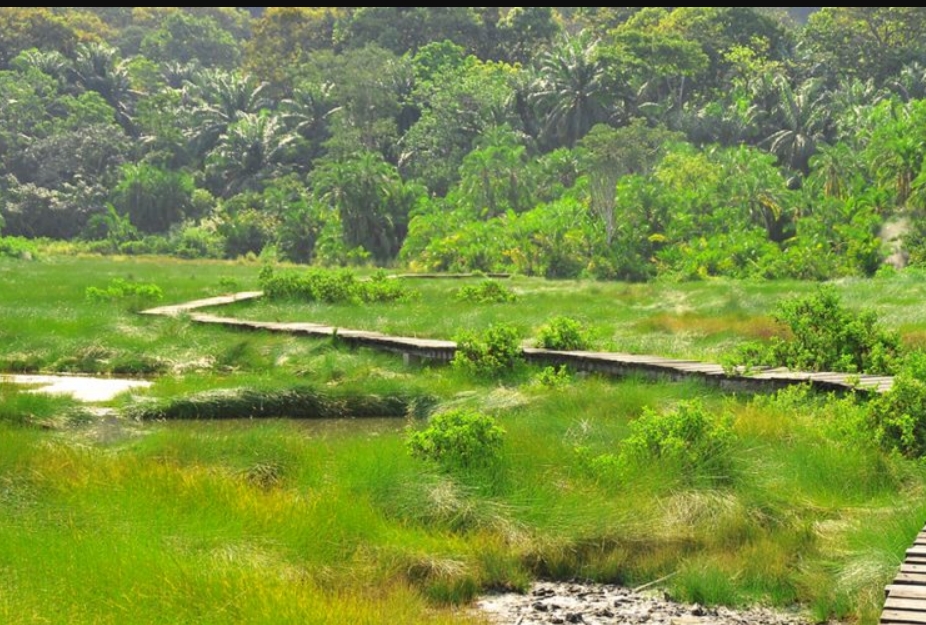
The Beauty of Mabamba Wetland: Mabamba Wetland has emerged as one of the top birding destinations not only in Uganda but in Africa at large, unveiling the country’s unparalleled natural beauty. Despite its small size, the country ranks as one of the best destinations for birdlife worldwide, with diverse number of bird species across the country.
The term Mabamba, comes from a Luganda word mamba (Lungfish) since the wetland has a lot of lungfish species and this enriches the shoebill’s diet daily compared to other dietry options. Mabamba is easily accessible from Kampala city and Entebbe town, making it a favourate location that is easily accessed for birdwatchers to see unique birds without to travelling far into remote parks.
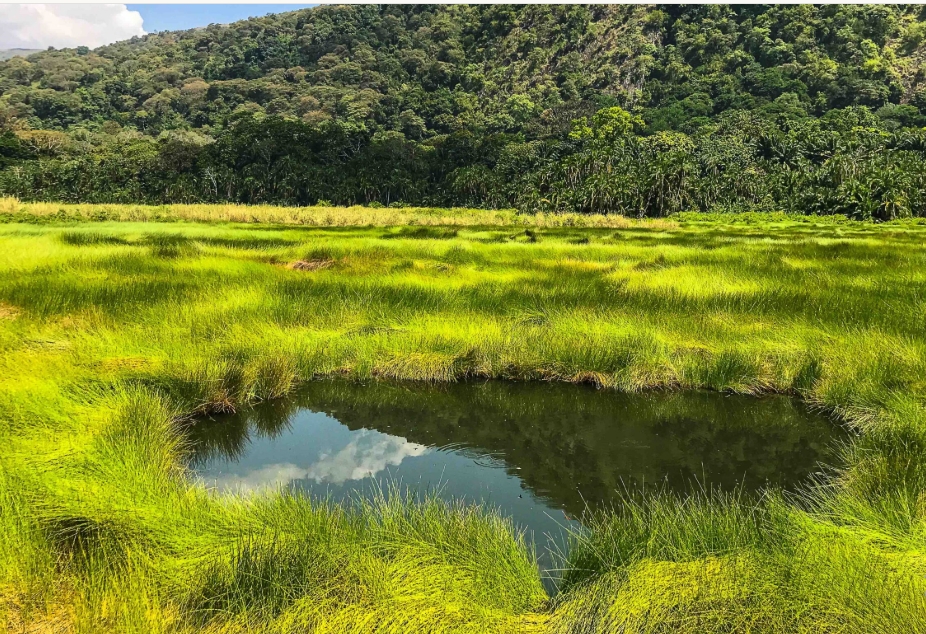
Mabamba Bay Wetland is a large swamp near Lake Victoria, situated about 40 kilometers from Entebbe town and Kampala city in Kasanje. The local communities are involved in hunting, fishing, and mining.
The swamp supports conducive birdlife activities with unique bird species dominated by water birds that contribute to its over 260 species, hence making it a popular tourist spot. In 2006, it was declared a Ramsar Site due to its global significance, having unique birds like the dinosaur-like shoebill, papyrus gonolek, and papyrus yellow warbler. This Ramsar Convention, established in 1971 in Iran, aims at protecting and managing wetlands globally.
Globally, this birding site is recognized as an Important Bird Area (IBA), making it a popular haven for birdlife in Uganda. Its close proximity to Entebbe International Airport makes it a great starting point for safaris. The source of attraction here is the striking and enormous shoebill, though can also be seen in other parks of Uganda such as Murchison Falls National Park, Lake Mburo and others.
Besides shoebills, the swamp is home to other four threatened bird species: the Papyrus Gonolek, Blue Swallow, Pallid Harrier, and White-Winged Warbler. Mabamba Swamp is home to a variety of bird species. Among them include the common sandpiper, yellow-throated greenbul, yellow-backed weaver, pallid harrier, common moorhen, yellow-rumped tinkerbird, and yellow-billed stork.
Other notable birds include the Woodland Kingfisher, Water Thick-knee, Blue-headed Cuckoo, Swamp Flycatcher, and Squacco Heron. The swamp also attracts raptors such as the tawny eagle, pink-backed pelican, and shining blue kingfisher, among many others. Several types of weavers and ducks are present, such as the Village Weaver and Pygmy Geese.
Many bird species find shelter in this grassy wetland, making it a great place for birdwatching. Some of these notable birds to see include the African fish eagle, Goliath heron, kingfishers, African pygmy goose, African jacana, fork-tailed drongo, hadada ibis, grosbeak weaver, and great white egret, among others.
The Shoebill Stork in Mabamba Wetland
The Beauty of Mabamba Wetland: The Shoebill, locally referred to as “Bbulwe,” is popular for its enormous shoe-shaped bill. This shy bird is a popular attraction in Uganda, appearing unusual and even prehistoric to some. While it may be considered ugly by a few, many tourists and experienced bird watchers travel to Uganda specifically to see these intriguing birds in their natural habitat.
Shoebills are found in the papyrus swamps of Sub-Saharan Africa, especially in Uganda, which has about 1,000 individuals.
You can see them in various locations like Lake Mburo National Park, Queen Elizabeth National Park, Nabajuzi Swamp in Masaka, and Murchison Falls Park. Their preferred food is lungfish, which is abundant in Mabamba Bay since many local people do not eat it. Shoebills feed on smaller prey, including rodents, snakes, water birds, snails, frogs, lizards, turtles, and young crocodiles.
They are solitary birds that pair only during the breeding season, which occurs in the dry season to avoid flooding. Females lay one to three eggs, and both parents incubate them until they hatch and feed the chicks until they can feed themselves. According to the gestation period of the shoebill, it takes about 3 – 4 years for infant shoebills to breed, usually with only one chick surviving to adulthood. Adult shoebills weigh about 14 pounds and can live over 50 years.
How to get to the Wetland
The Beauty of Mabamba Wetland: Mabamba Bay Swamp can be reached from both Kampala and Entebbe. From Entebbe, take the old Entebbe-Kampala Road, branching off at Kisubi and driving through Nakawuka and Kasanje to Mabamba. From Kampala, you can either take a taxi to Kasanje and then ride a boda boda the 13.5 km to Mabamba or use the Masaka road and branch off to Buyege, which is about 22 kilometers from Mabamba.
To access Mabamba Swamp via Entebbe town, one can use a speedboat on the stunning Lake Victoria, Africa’s largest freshwater lake. This route is more exciting and offers beautiful views of the lake while avoiding Entebbe town and the airport. The trip to Mabamba takes about 45 to 50 minutes. There is a provision for hiring speedboats from some hotels or from the Entebbe Sailing Club, due to their comfort and efficiency. Smaller canoes are used to navigate the papyrus swamp due to the narrow passages within the wetland.
When you arrive at the starting point, you will find birding guides and fishermen ready to take you deep into the wetland to see birds. The guides are organized and have a leader who assigns a boatman and guide to each group. Canoes hold three birders plus the guide and driver. You need to pay a community charge of about $7 at their office. The boat and guide cost around $35. It’s important to wear a life jacket, which you can request since many boats do not have them. By using their services, you support the local community and help protect the wetland’s wildlife.
As the boat moves into the reeds, pay attention to both sides of the narrow paths and the sky. Your guide will help you get close to the birds by navigating through the papyrus and lily pads. After a few minutes, the reeds open up to grassy swamps. Keep your binoculars and camera ready, as the number of birds may surprise you. Look for bee-eaters, kingfishers, and beautiful butterflies. In the morning, you can find Shoebills feeding. Storks are easier to photograph since they stay still while watching for fish, frogs, and other prey.
The chances of seeing Shoebills in Mabamba are very high due to the teamwork among birding guides. When visitors arrive, the guides spread out and communicate. If one guide sees a shoebill, they alert the others, allowing all boats to gather at the right spot for birdwatching. After spotting the shoebills, visitors should return to the larger boat waiting to take them back to their hotel. As you leave the wetland, there’s a chance to see more shoebills along the lake’s swampy shores or in nearby lagoons.
Conclusion
Mabamba Wetland, being one of Africa’s leading shoebill destinations and home to other unique species of birds. Birdwatching in Mabamba wetlands is worthwhile for the unique experience offered to birdwatchers and nature lovers; this has tremendously contributed to the ecological preservation of the country’s protected areas with a positive impact on Uganda’s tourism industry. After the experience, visitors can enjoy other activities such as fishing, swimming, and relaxing at Entebbe beaches.