Semuliki National Park Camping
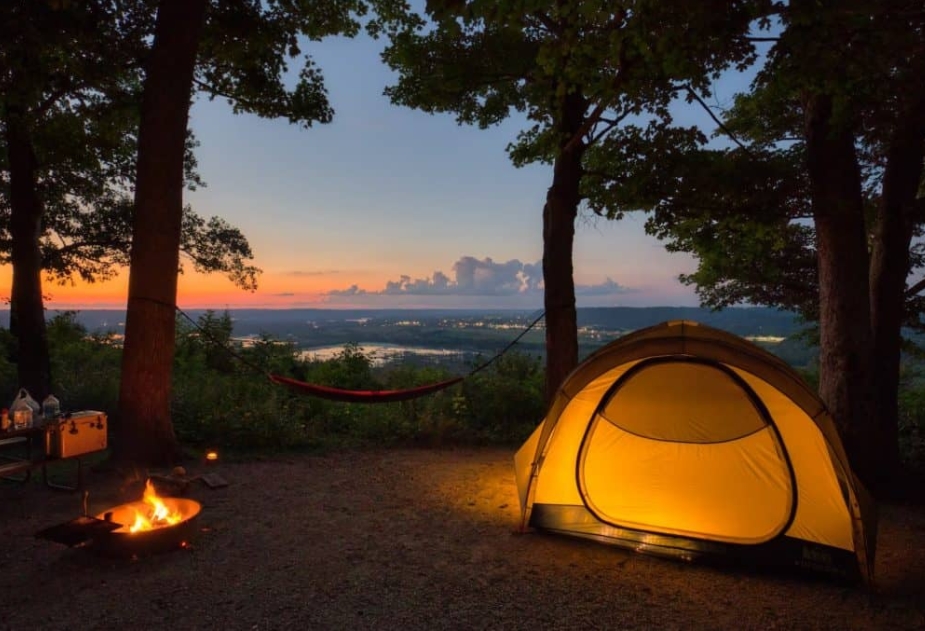
For safaris, camping in Semuliki National Park is an outdoor lodging option that puts visitors in close proximity to the natural world. There are campgrounds at Semuliki National Park for visitors who like to spend the nite outside. The Bumaga campsite, which is controlled by the Uganda Wildlife Authority, is the most popular camping area in the park.
Semuliki National Park, Semuliki, is located in the Bundibudyo area in western Uganda. In order to save various wildlife species, the national park was gazetted in 1993. There are currently 435 recorded birds, 9 primates, and 53 mammals in Semuliki National Park.
Visitors come to Semuliki National Park to experience its various features and engage in various tourism-related activities. Camping is an option for visitors to Semuliki National Park who would rather stay alone. You must make reservations in advance and pay a booking fee to guarantee a spot in this park.
In order to camp in Semuliki National Park, visitors must either rent or provide their own camping equipment. Tents, sleeping bags, silk liners, sleeping tents, lamps, long sleeves, towels, insect repellents, shoes, waterproof coats, a mosquito net, a hooded jumper, a camera, binoculars, a first aid kit and toiletries are all examples of camping gear.
Activities to do During Camping in Semuliki National Park
Bird watching
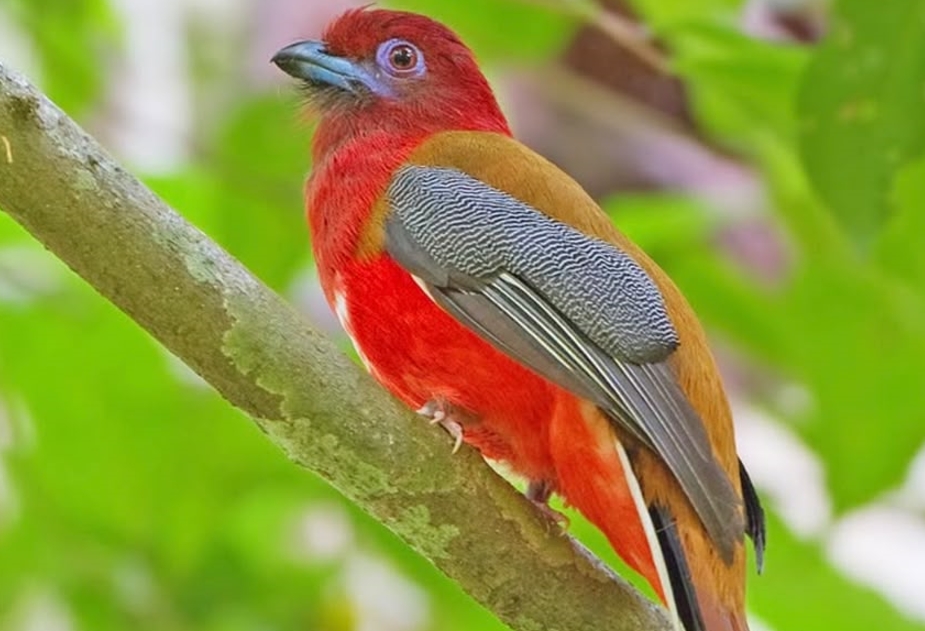
Many birdwatchers from all over the world have come to Semuliki National Park because of its large number of bird species. With more than 435 different kinds of birds, Semuliki National Park is among the top birdwatching locations in western Uganda. Birdwatchers can observe the numerous stunning bird species that call Semuliki National Park home while on a tented safari.
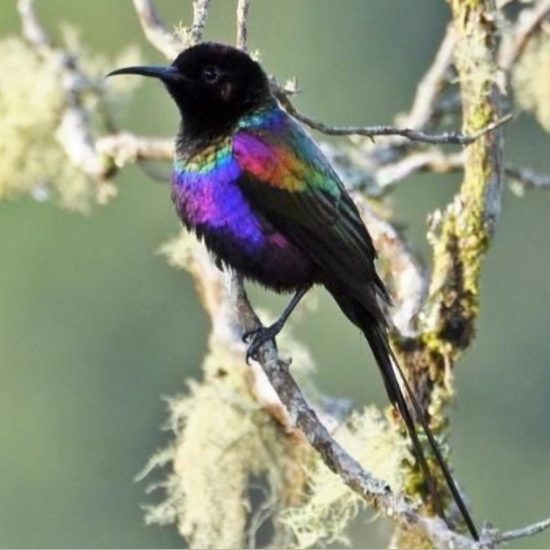
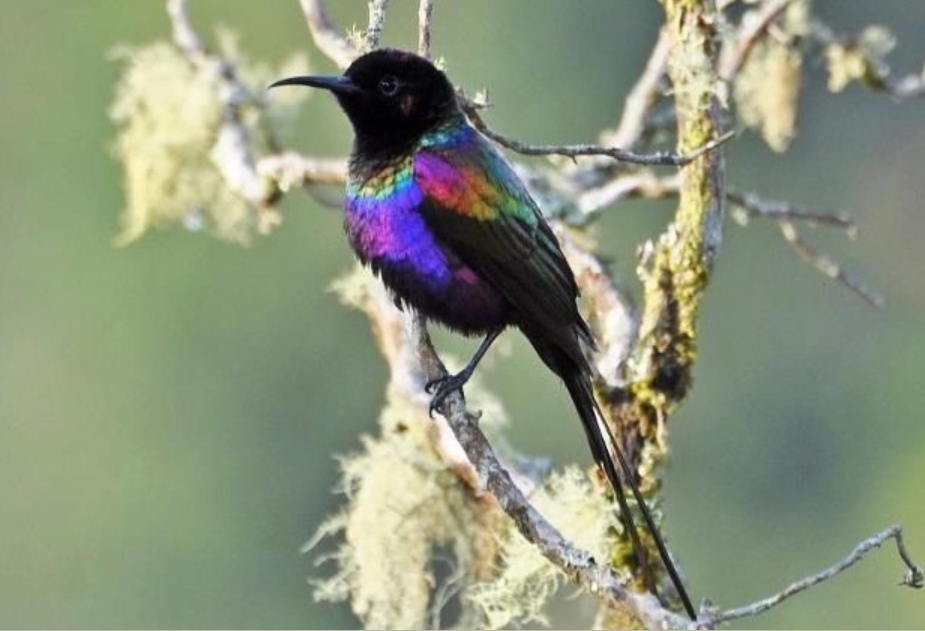
Shoebill stork, white-bellied kingfisher, joyful greenbul, black-billed seed cracker, violet backed starling, black-headed oriole, mountain buzzard, rufous bellied helmetshrike, scarlet-chested sunbird, red chested cuckoo, yellow browed camaroptera, Ayres’s hawk-eagle, red chested cuckoo, grey crowned crane, and cattle egret are just a few of the birdwatching in Semuliki National Park.
Other birds to see in Semulik include Jameson’s Antpecker, African pygmy kingfisher, African thrush, red faced cisticola, red-rumped tinkerbird, green white eye, Klaas’s Cuckoo, little bee-eater, brown snake eagle, chestnut wattle eye, black-billed barbet, African sacred ibis, white thighed hornbill, great blue turaco, yellow billed barbet, viellot’s black weaver, lesser bristlebill, and long-crested eagle, Black-winged stilt, among others.
Chimpanzee Trekking
There are few chimpanzees in Semuliki national park and some of them have been seen on several occasions during nature walks but not open for chimpanzee trekking activities. Chimpanzee trekking in Semuliki National Park is not as popular as it is in other national parks such as Kibale National Park, Budongo Forest and Kyambura Gorge, among others.
Nature walks
Visitors who wish to get up close and personal with nature can participate in nature walks during a camping safari in Semuliki National Park. In Semuliki, nature walks are led by armed ranger guides who show you the park’s various highlights while keeping you safe. The greatest way to see mammals, primates, and birds in Semuliki National Park is through nature walk activities.
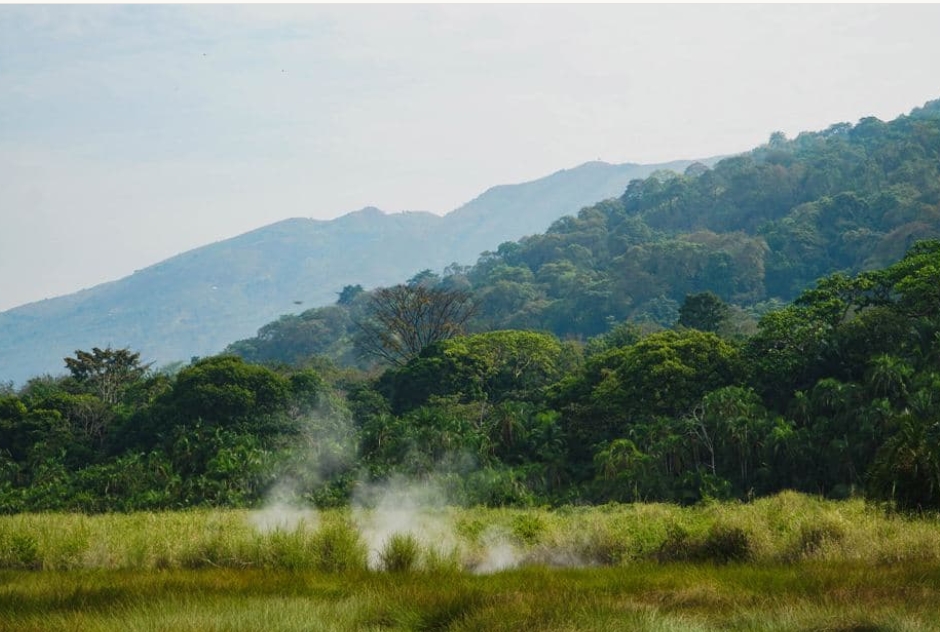
Sempaya Hot Springs is 2.5 km from the camping area in Semuliki National Park, therefore it will take you a little while to go there on nature walks. Because there aren’t many hot springs with both hot and cold waters, people are left wondering. You can boil some food until it’s ready if you have enough time, and a ranger guide will teach you various facts about the hot springs.
Cultural tours
One of the few national parks where you can encounter the well-known Batwa pygmies is Semuliki National Park. Before the government gazetted the national parks, these short people were well-known for staying in the forests with wild animals. Batwa pygmies chose to relocate to other communities including Boma Cultural Village and Ntandi Village after being expelled from Semuliki National Park.
To discover more about the Batwa people, visitors can visit any of the nearby communities while on a camping safari in Semuliki National Park. Local guides who are from the same village lead you to several homes inside the Batwa neighbourhood. The seniors relate tales of bygone eras, the traditional dancers amuse tourists with dance and drama, and you encounter a variety of people who share stories about their occupations.