Rwanda’s Journey Through Culture
Rwanda, known as the land of a thousand hills, is a small, landlocked country in the Great Lakes region, recognized as a leading tourist destination. Its highest point is Mount Karisimbi at 4507 meters which is part of the Virunga massif (a chain of volcanic mountains) along the borders with Uganda and the Democratic Republic of Congo (DRC), while the lowest elevation is 950 meters by the Rusizi River. It is one of Africa’s most densely populated countries, with a population of 13.28 million. Rwanda’s journey through culture, history and nature, the Rwandan people are warmly welcoming and have a rich cultural past.
Historically, Rwanda faced devastating civil wars and internal conflicts, culminating in the 1994 Rwandan genocide, where over 800,000 Tutsis and moderate Hutus perished, alongside significant property destruction. By July 1994, the country was left with immense loss and had to rebuild its economy, restore hope, and foster reconciliation among its people.
Currently, the good news is that Rwanda’s economy has recovered significantly and its citizens are unified after a few decades. Rwanda’s remarkable achievements in spite of its traumatic past make it a role model for East Africa and the continent at large. Rwanda is becoming a major commercial hub that hosts conferences and events around the world, including the most recent CHOGM.
Wildlife- Rwanda’s Journey Through Culture History, Nature
Rwanda is home to a variety of animals and is one of the few places where mountain gorillas can be seen. Rwanda has four national parks where visitors can appreciate the country’s biodiversity. These include the Volcanoes National Park, the Nyungwe Forest National Park in the southwest, the Gishwati Mukura National Park in the west, and the Akagera National Park in the eastern part of the country near the Tanzanian border.
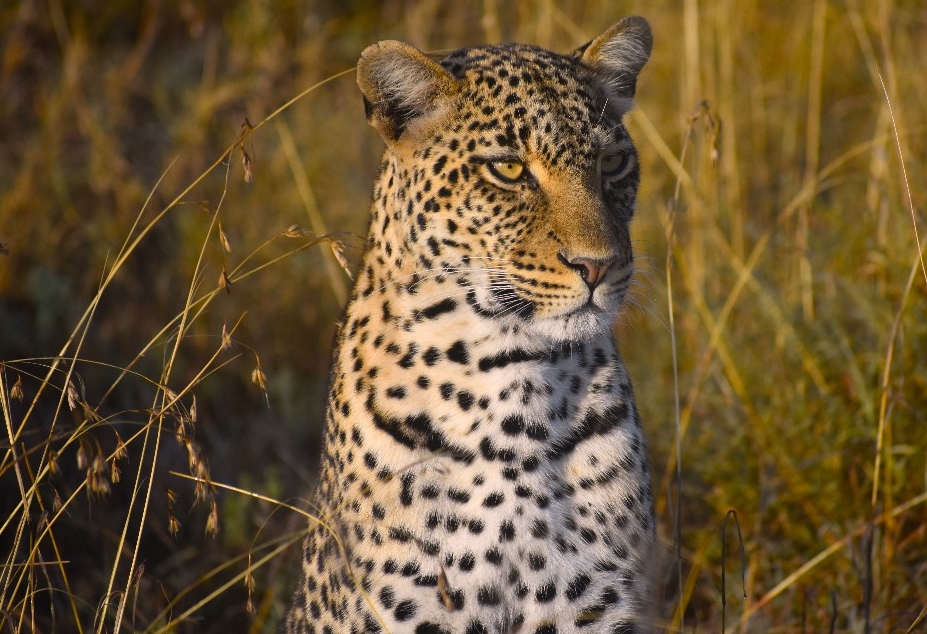
The only savanna national park in Rwanda is Akagera National Park, home for diverse wildlife such as mammals like Lions, elephants, buffaloes, leopards, and rhinos are among the big five creatures that call it home. Zebras, topi, giraffes, and several bird species are among the many other savanna animals that call it home. During park game drives, many of these are spotted. Additionally, boat rides are offered by the park on Lake Ihema. Other species to see include crocodiles, bird species, and hippos, and many others.
Volcanoes National Park, which contributes to Rwanda’s journey through culture, history and nature, is located within the Virunga massif, features five notable volcanic mountains: Mount Karisimbi, Mount Bisoke, Mount Muhabura, Mount Gahinga, and Mount Sabyinyo. The park is famous for its mountain gorillas and diverse wildlife, attracting visitors for hiking and trekking with mountain gorillas. This experience is highly recommended for those exploring Rwanda.
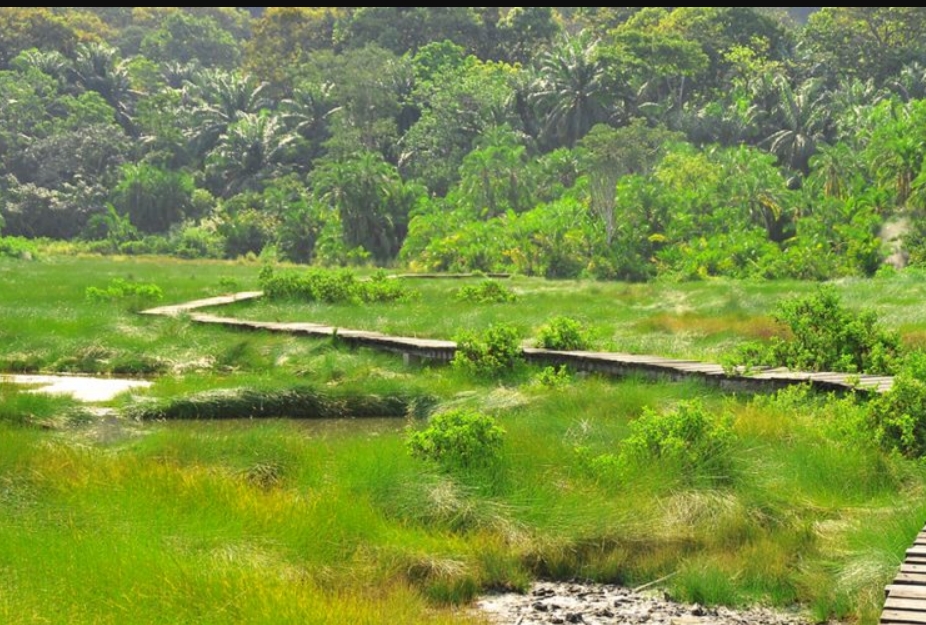
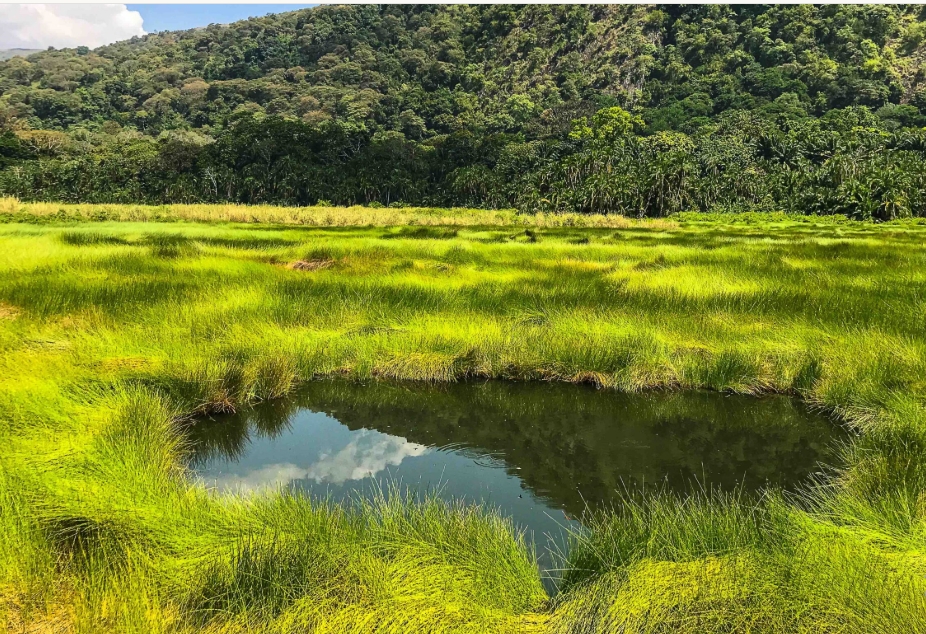
An additional the famous protected area in Rwanda is Nyungwe National Park. In addition to protecting plant species that are native to Central Africa, the park is home to chimpanzees. Being one of the only forests to have survived the last ice age, Nyungwe is a wooded national park. In addition to chimpanzees and golden monkeys, Giswhati Mukura National Park is a primate national park that is home to numerous bird species.
Rwanda’s culture
The Rwandan people are incredibly welcoming and have a rich cultural past. The majority of Rwandan culture has been preserved since its inception in the earlier centuries. One of the most popular dances, it is frequently done for guests and at weddings. Additionally, Rwandan traditional clothing (umushanana) is incredibly distinctive, with designs influenced by Rwandan art. Mushanana, a traditional costume worn for formal occasions like weddings, funerals, church services, and traditional dancers. It consists of a long skirt, bustier, and stole draped over one shoulder.
People in Rwanda are quite calm and yet approachable. Through interaction, you can learn more about the rich culture and values of the Banyarwanda people. The commonly spoken language in Rwanda among the locals is Kinyarwanda. In addition, a little Kiswahili is spoken, along with English and French.
Which currency does Rwanda use
The currency that is most frequently used for transactions is the Rwandan franc. In Rwanda, where there is no cash, it is crucial to pay at large hotels using credit cards or mobile money. Additionally, most places accept US dollars, particularly in hotels. For simple transactions, you can exchange to the local currency at forex bureaus.
What is the best time to visit Rwanda
The best time to visit and discover more about Rwanda’s journey through culture, history and nature is during the dry season, though you can go there at any time of year. During mid-December, January, and February, as well as from June to mid-September, Rwanda has its dry season. It is crucial to reserve your trip and permits in advance because this is also the busiest travel period, and Rwanda is a popular travel destination. You may still engage in the many tourist activities throughout the rainy season, which makes it an excellent time to visit Rwanda. The rainy season months of November, April, and May are when migratory birds arrive for birdwatchers.
Getting to Rwanda- Rwanda’s Journey Through Culture History, Nature
Travellers from other countries can easily access Rwanda, despite being a landlocked country. By flight, Rwanda can be accessed using Kigali International Airport, the busiest airport in the country. Rwanda’s neighbours include Tanzania to the east, Burundi to the south, the Democratic Republic of the Congo to the west, and Uganda to the north. Therefore, you can travel across the mainland borders of each of the bordering countries to enter Rwanda.
It is relatively easy to move to Rwanda because of the country’s well-established and connected road transport system. In order to avoid fines, drivers must adhere to the speed limit and drive safely. Due to the presence of helipads and airstrips close to national parks, aviation travel within Rwanda is also feasible.