Most Sought-After Bird Species in Queen Elizabeth National Park.
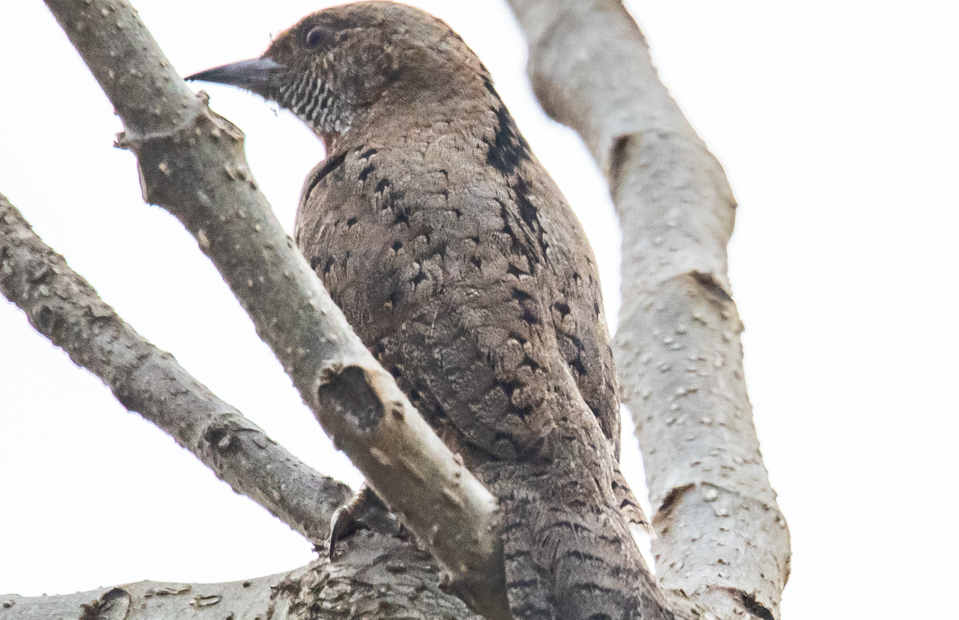
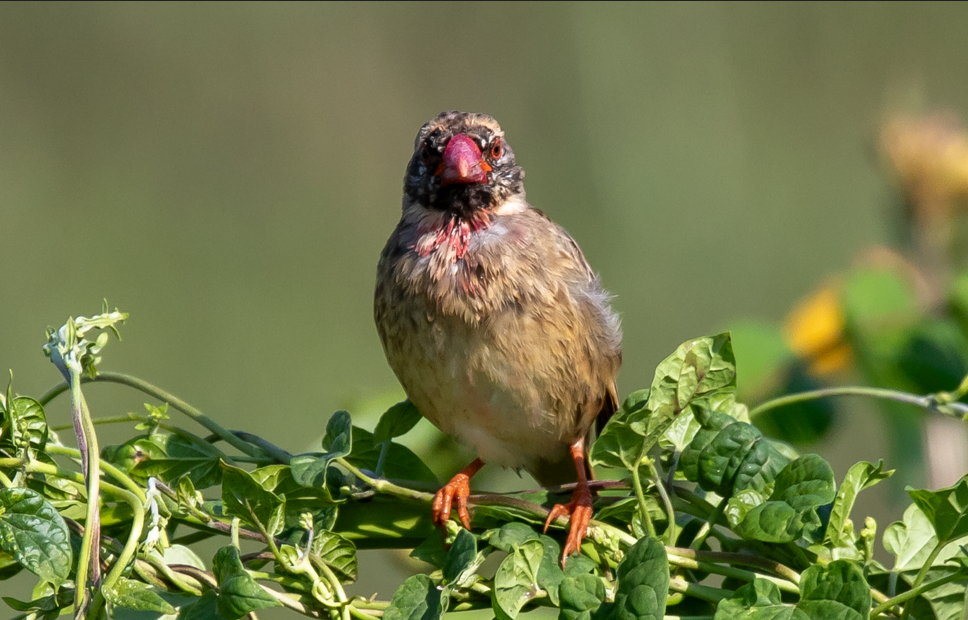
Most sought-after bird species in Queen Elizabeth National Park are rare birds that are top priorities for bird watchers, photographers and nature lovers due to their beauty and unique behaviours. It’s one of the top bird watching safari destinations in Uganda, attracting thousands of bird lovers to explore the park’s unique bird life. Queen Elizabeth National Park is celebrated for hosting the highest number of bird species, up to 600 unique birds. These unique birds include forest birds, water birds, savannah birds, migratory birds and the endemic species. The presence of unique natural systems such as wetlands, woodlands, crater lakes, and vast savannah grasslands contributes to the park’s rich avian life, which provides different habitats to the park’s bird species. The park has various bird sites, such as Kazinga Channel, Kasenyi plains, Maramagambo Forest, and Kyambura Gorge.
Most Sought-After Bird Species in Queen Elizabeth National Park.
- Red-throated Bee-eater
- Little Bee-eater
- Carmine Bee-eater
- African Hoopoe
- Purple Heron
- Squacco Heron
- Striated Heron
- Little Egret
- Great Egret
- African Jacana
- Saddle-billed Stork
- Marabou Stork
- Yellow-billed Stork
- Black-headed Heron
- Goliath Heron
- African Fish Eagle
- Shoebill
- Grey Crowned Crane
- Martial Eagle
- Bateleur
- African Skimmer
- Malachite Kingfisher
- Pied Kingfisher
- Giant Kingfisher
- Woodland Kingfisher
- Cattle Egret
- African Spoonbill
- Hamerkop
- Sacred Ibis
- Hadada Ibis
- African Openbill
- Spur-winged Goose
- Egyptian Goose
- White-faced Whistling Duck
- Knob-billed Duck
- African Pygmy Goose
- Grey-headed Kingfisher
- Black-billed Barbet
- Double-toothed Barbet
- Yellow-throated Tinkerbird
- Speckled Tinkerbird
- African Grey Hornbill
- Black-and-white-casqued Hornbill
- African Wattled Lapwing
- Senegal Lapwing
- Purple Swamphen
- Black Crake
- Grey-headed Gull
- Gull-billed Tern
- Whiskered Tern
- African Green Pigeon
- Tambourine Dove
- Ross’s Turaco
- Bare-faced Go-away-bird
- Verreaux’s Eagle-Owl
- African Scops Owl
- Swamp Flycatcher
- Greater Blue-eared Starling
- Red-billed Oxpecker
- Yellow-billed Oxpecker
- Village Weaver
- Black-headed Weaver
- Spectacled Weaver
- Northern Brown-throated Weaver
- Yellow-throated Longclaw
- Fan-tailed Widowbird
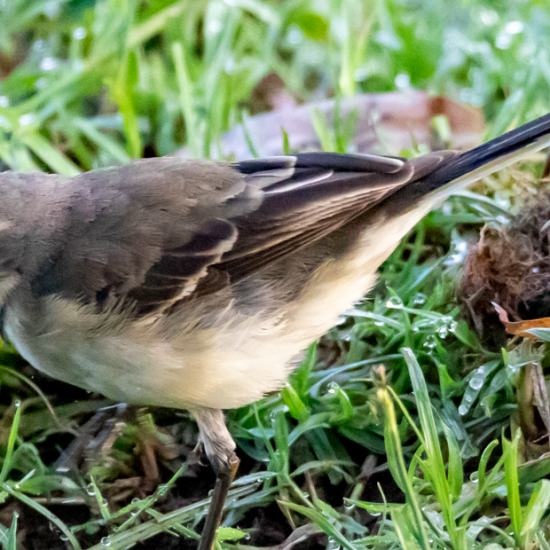
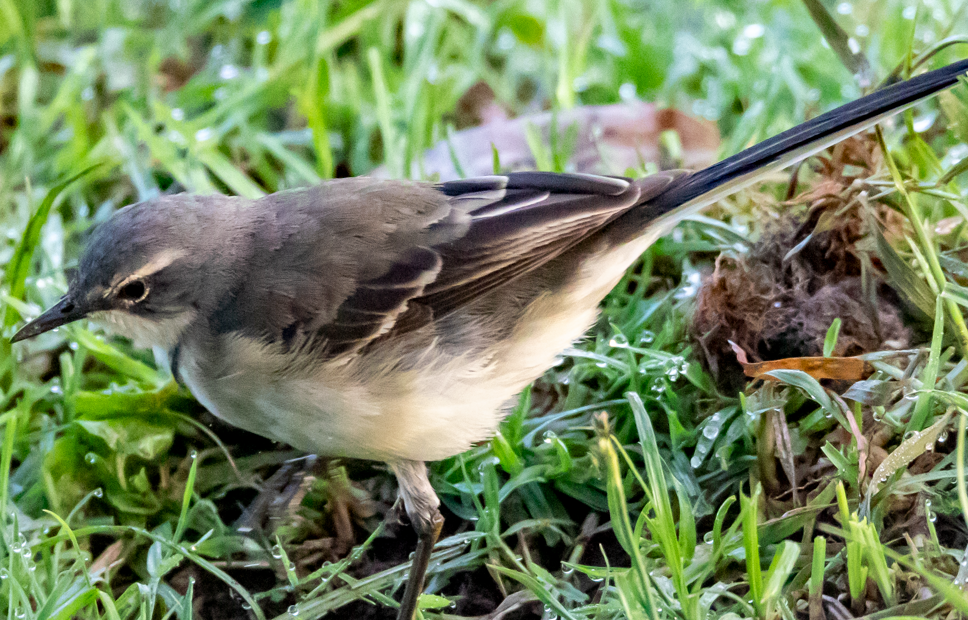
- African Pied Wagtail
- Laughing Dove
- Emerald-spotted Wood Dove
- Speckled Mousebird
- Blue-naped Mousebird
- African Paradise Flycatcher
- Fork-tailed Drongo
- Black-headed Gonolek
- Superb Starling
- Black-winged Stilt
- Three-banded Plover
- Water Thick-knee
- African Crake
- Common Moorhen
Other most sought after bird species in Queen Elizabeth National Park include Dusky Turtle-Dove,White-naped Pigeon, Western Bronze-naped Pigeon, Pennant-winged Nightjar, Nubian NightjarGreat Spotted Cuckoo, Montane Nightjar, African Emerald Cuckoo, Black Cuckoo, Dideric Cuckoo, Alpine Swift, Cassin’s Spinetail, Alpine Swift, Mottled Swift, Common Cuckoo, Red-chested Cuckoo, Pied Cuckoo, Freckled Nightjar, Dideric Cuckoo, Blue-headed Coucal, Ring-necked Dove, Vinaceous Dove, Laughing Dove, Blue-spotted Wood-Dove, Black-billed Wood-Dove, Emerald-spotted Wood-Dove, Blue-spotted Wood-Dove,Tambourine Dove, African Green-Pigeon, Black-bellied Bustard, Denham’s Bustard, Eastern Plantain-eater, Bare-faced Go-away-bird, Pied Avocet, Senegal Thick-knee, Forbes’s Plover, Great Snipe, Lesser Jacana, Dunlin, Black-rumped Buttonquail, Rock Pratincole, Black-winged Pratincole, Marabou Stork, Black Heron, Slender-billed Gull, Crowned Lapwing, Common Ringed Plover, Long-toed Lapwing, Caspian Plover, Pacific Golden-Plover, Three-banded Plover, Brown-chested Lapwing, Kittlitz’s Plover, Green Sandpiper, Terek Sandpiper, Green Sandpiper, Common Greenshank, Ruddy Turnstone.