Is Bird Watching in Gishwati- Mukura National Park Worth It
Is bird watching in Gishwati- Mukura National Park worth it is the most asked question by bird enthusiasts and photographers planning to visit this awesome park. It’s located in the western part of Rwanda, within the Albertine Rift. The park is made up of the small Mukura Forest and the large Gishwati Forest. It’s celebrated for hosting a good number of avian species, which attract thousands of bird lovers to explore them in their natural habitats. The park is home to more than 163 bird species in Mukura Forest and 230 bird species in Gishwati Forest, such as water birds, migratory birds, forest birds, Albertine Rift endemics and the park’s residents, which are rare to find anywhere else. The park’s rich number of unique bird species is supported by the availability of unique ecosystems, which provide habitats to birds such as swamps, grasslands, tropical rainforests, and montane forests. Birding is best done in the morning hours or late afternoon when birds are most active, which gives visitors a high chance of encountering various bird species, and photographers can capture stunning images of these unique bird species from various angles.
What Makes Bird Watching in Gishwati Mukura National Park Worth It.
Rich Avian Life.
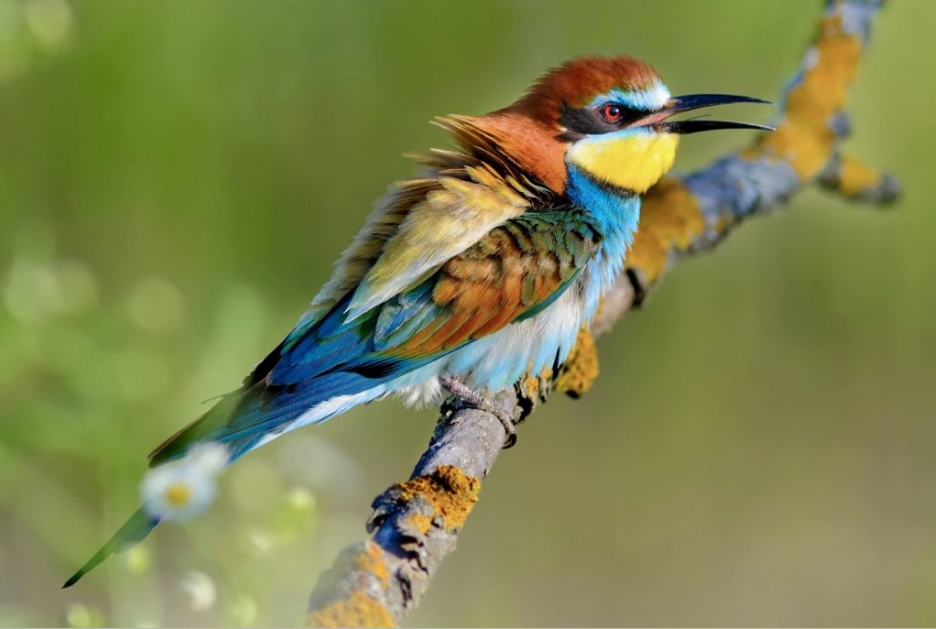
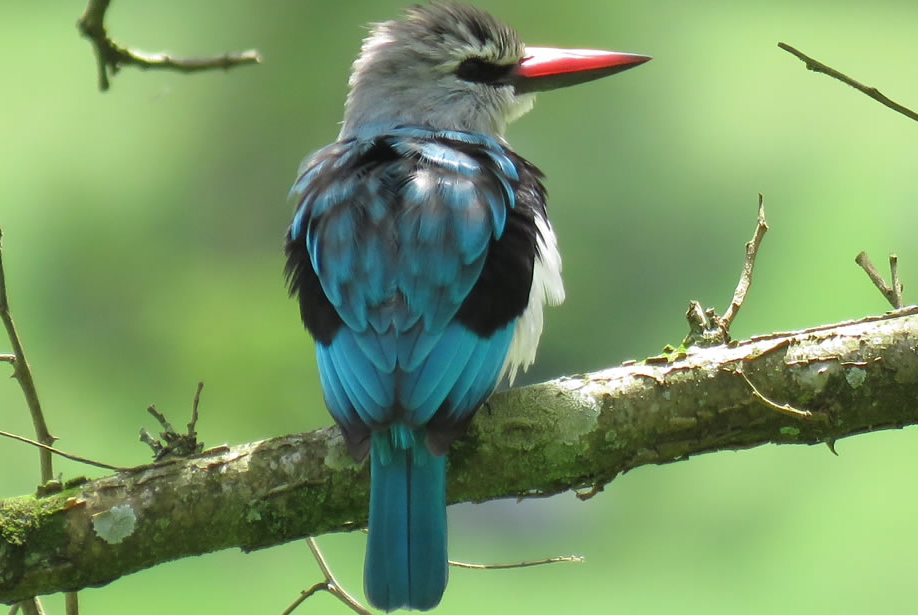
Gishwati- Mukura National Park is one of the top birding destinations in Rwanda with a good number of unique bird species. It hosts hundreds of bird species such as water birds, forest birds, migratory birds, Albertine Rift endemics, and resident birds. These species include Rwenzori Turaco, Blue-headed Coucal, Blue Malkoha, Klaas’s Cuckoo, African Emerald Cuckoo, Barred Long-tailed Cuckoo, Black Cuckoo, Red-chested Cuckoo, Rwenzori Nightjar, Square-tailed Nightjar, Little Swift, Red-chested Flufftail, Black Crake, Gray Crowned-Crane, Black-headed Heron, Hadada Ibis, African Harrier-Hawk, Hooded Vulture, Tawny Eagle, African Goshawk, Black Goshawk, Black Kite (Yellow-billed), Mountain Buzzard, Augur Buzzard, Verreaux’s Eagle-Ow, Red-chested Owlet, African Wood-Ow, Speckled Mousebird, Narina Trogon, Bar-tailed Trogon, White-headed Woodhoopoe, Crowned Hornbill, Gray-headed Kingfisher, Cinnamon-chested Bee-eater, Yellow-rumped Tinkerbird, Lesser Honeyguide, Scaly-throated Honeyguide, Elliot’s Woodpecker, Cardinal Woodpecker, Bearded Woodpecker, Olive Woodpecker, Tullberg’s Woodpecker, Eurasian Kestrel, Rwenzori Batis, Chinspot Batis, Northern Puffback, Lüdher’s Bushshrike, Tropical Boubou, Willard’s Sooty Boubou, Albertine Boubou, Many-colored Bushshrike, Doherty’s Bushshrike, Lagden’s Bushshrike, Gray Cuckooshrike, Black Cuckooshrike, Mackinnon’s Shrike, Northern Fiscal, African Golden Oriole, Black-tailed Oriole, Common Bulbul (Dark-capped), White-browed Crombec, Grauer’s Warbler, Red-faced Woodland-Warbler, African Yellow-Warbler, Mountain Yellow-Warbler, African Reed Warbler, Evergreen-Forest Warbler, Cinnamon Bracken-Warbler, Grauer’s Swamp Warbler, Rwenzori Apalis, Green-backed Camaroptera, Black-throated Apalis, Black-faced Apalis.
Unique Habitants.
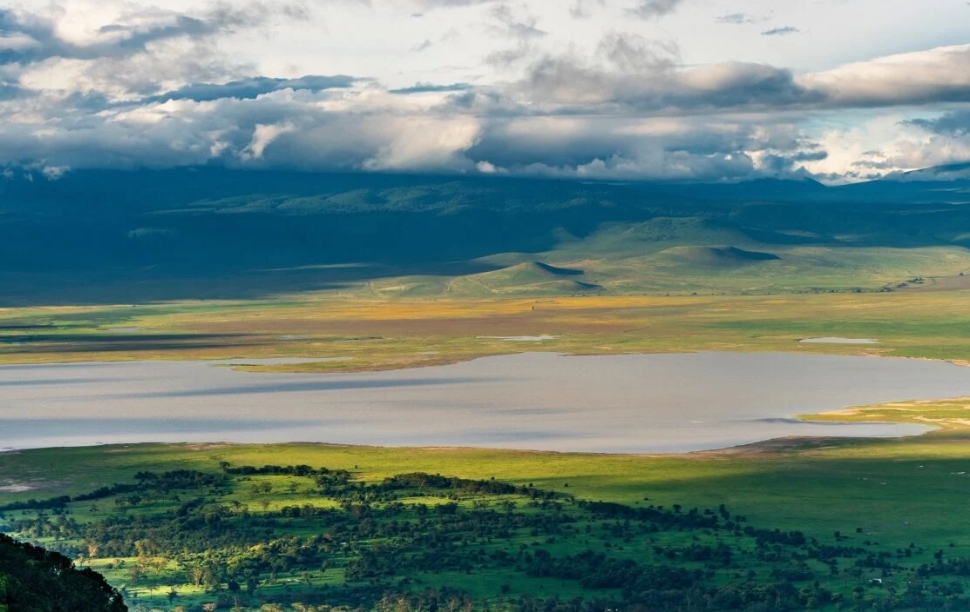
The unique natural systems make birding in Gishwati Mukura National Park worth it. The park is blessed with a mix of ecosystems such as swamps, montane forests, tropical rainforests, and grasslands. These habitats support distinct bird communities, giving birders a different experience from typical East African birding destinations and increasing the chances of encountering rare forest species.
Expert Park Guides.
The presence of knowledgeable and well-experienced park guides makes Birding in Volcanoes National Park Worth it. The park has experienced bird guides who help visitors spot rare species, identify calls, and interpret behaviours, making the experience more insightful and rewarding.