How to Get to Semuliki National Park
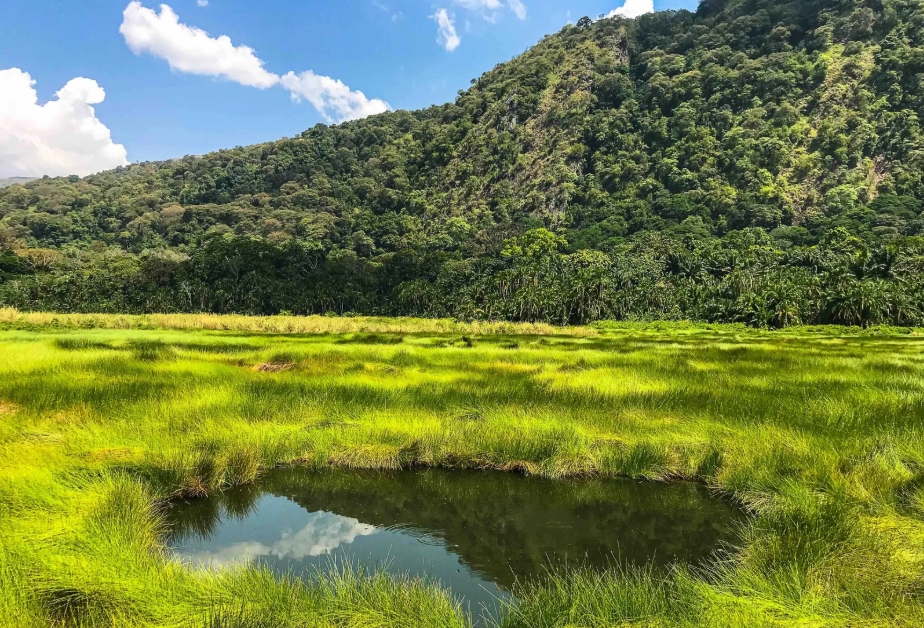
How to get to Semuliki National Park is the most asked question by travellers planning their safari to the park. The park is situated on Uganda’s border with the Democratic Republic of the Congo in western Uganda, south of Lake Albert. Road transportation is the most popular way to go to the national park, which can be reached in a single day.
Travellers can reach Semuliki National Park by road in five to six hours, depending on the driver’s speed and the condition of the roads.Safaris to Semuliki National Park always begin in Kampala or Entebbe, and visitors pass through Mityana, Mubende, Kyegegwa, Kyenjonjo, Fort Portal, and finally Bundibugyo, the park’s location. The trip takes five to six hours and offers breathtaking views of the many sights along the route.
Top Attractions
Animals
The park is home to 53 mammals and 9 primates which tourists can see during different activities organized in the park. Semuliki national park is a naturalist’s paradise with forest elephants, forest buffaloes, warthogs, leopards, sitatungas, Nile crocodiles, side-stripped jackals, and hippos among others.
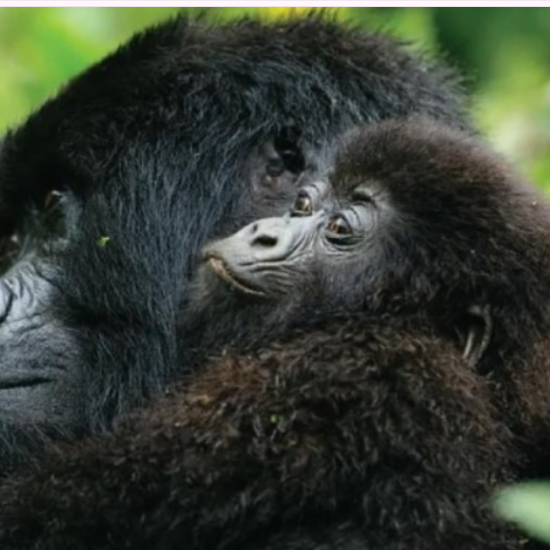
The primates of Semuliki national park include the famous chimpanzees which are close relatives to human beings. Chimpanzee trekking within Semuliki national park is done but on a small scale. Other primates of Semuliki national park are black and white colobus monkeys, blue monkeys, olive baboons, vervet monkeys, de brazza’s monkeys, and mangabeys.
Birds
435 bird species have been so far recorded in Semuliki park. These bird species have attracted lots of birders especially those that are visiting the western region. This national park is one of the best birding areas in western Uganda and the activities here are led by armed ranger guides.
Birds that can be spotted in Semuliki national park include African piculet, Dwarf honeyguide, Blue-billed malimbe, Ross’s Turaco, Blue-billed malimbe, White-crested hornbill, piping hornbill, pale-fronted negrofinch, swamp palm bulbul, Red-eyed puffback chestnut-bellied helmetshrike, Fire-crested Alethe, Crested Malimbe, Black-throated coucal, Black-casqued Wattled Hornbill, Orange-cheeked Waxbill, Crested Malimbe, and others.
Butterflies
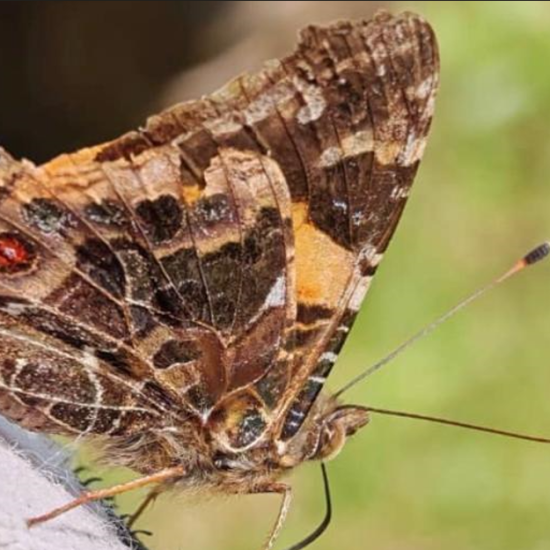
More than 448 species of butterflies inhabit the vegetation of Semuliki national park. The number of these butterflies has made Semuliki national park one of the best national parks to visit when it comes to butterflies since it has the highest number in the whole country. These butterflies are an attraction in the park and because of them tourists are visiting and more are to come.
Butterflies of Semuliki national park include Rhipidarctia crameri, common ginger white, bicyclus mollitia, common palm forester, euphaedra eberti, cucumber moth, simple orange forester, euriphene saphirina, savanna pathfinder, square winged red charaxes, chirinda bush brown, zebra pyrale, painted pearl, dark yellow forest sylph, variegated pearl, common nephele, mung bean moth, euphaedra hybrida, cadarena pudoraria, and widespread forester, among others.
Hot springs
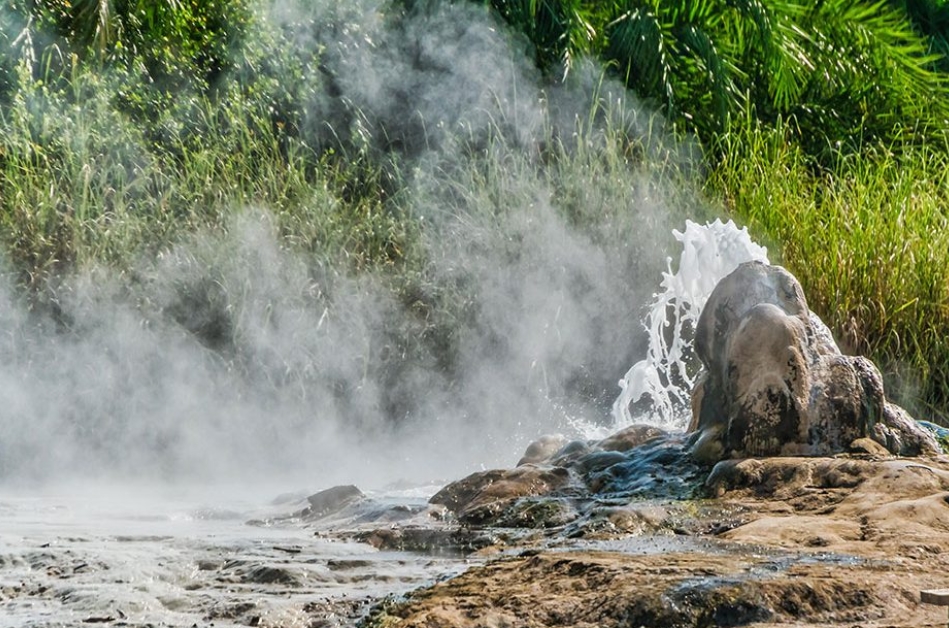
The park is blessed with two hot springs right inside the national park. The male hot spring is just a pool of hot water and the female hot spring has a geyser that ejects out water up to 2 meters above in the air. These hot springs are some of the major attractions in the park as tourists always want to see how water can come out of the ground very hot.
Batwa pygmies
Even though they live outside the national park today, the Batwa pygmies are still an attraction in Semuliki national park. This is because they are known for having stayed in the jungle together with animals for the whole of their life not until the government evicted them to create space and also give animals freedom.
Tourists who want to see the Batwa of Semuliki national park can always organize with the park authorities to organize them a short visit to the Batwa people around the park. A local guide from the community will always take you around the different homes to meet different local people.
The batwa pygmies are good at welcoming people and they entertain visitors through dances and drama. After the warm welcome, tourists are always taken to different homes where they interact with the locals to see what they do for a living. Some locals are farmers, others are traditional healers, and others are good at making local wines. You can join the Batwa in cooking where you will share a meal with them before leaving their community.
The best time to go to Africa to see Semuliki park
Tourists can go to Africa to see Semuliki park at any time of the year however some months have been proven to be the best. The dry season months are the best for a safari to Semuliki national park and these are June to September and December to February. The months are characterized by little rainfall and plenty of sunshine which keeps the walking trails dry and passable and the vegetation short with clear views of park attractions.
Tourists especially budget travelers can visit Semuliki national park in the rainy season of March to May and October to November. By doing so they will benefit from discounted accommodation facilities and tour packages because service providers reduce prices to attract the few people that are visiting the park. The season is however characterized by too much rainfall that makes the walking trails muddy and slippery and the vegetation is tall and thick with unclear views of wildlife.