Gorilla Trekking in Mgahinga National Park from Canada
Are you planning gorilla trekking in Mgahinga National Park from Canada? Well, this article will guide you on how to get there via Entebbe or Kigali, current permit prices, trek-day details, packing tips and the best season. Canada is a country that knows something about wild places. Canadians grow up with stories of grizzlies in the Rockies, moose on misty lakeshores and whales off the Pacific coast, so it is no surprise that many of them dream of a different kind of wildlife encounter on the other side of the world. Few experiences match an hour with mountain gorillas, and for travellers setting out from Toronto, Vancouver, Montreal, Calgary or anywhere in between, the forests of Uganda are closer to reality than they might seem.
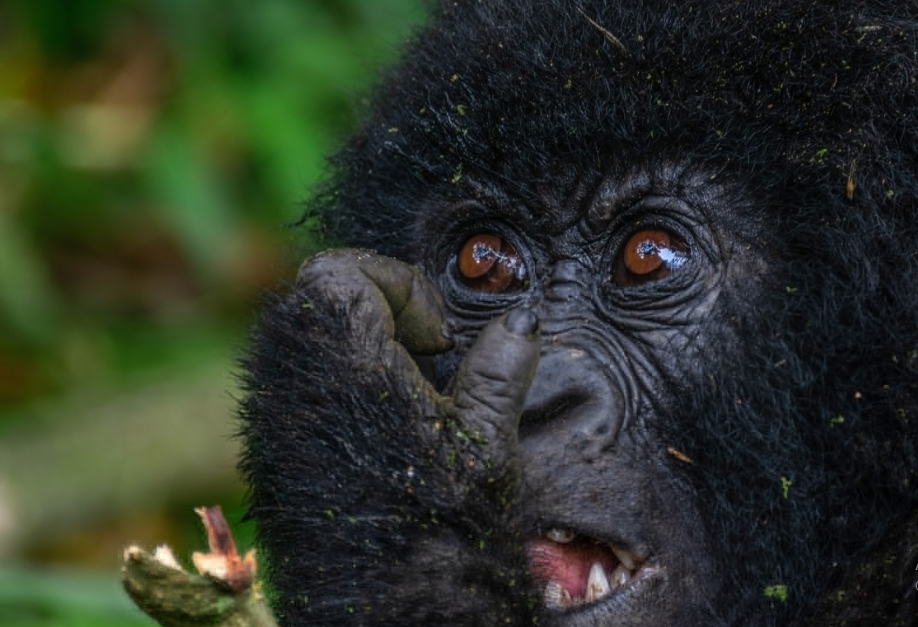
Mountain gorillas cannot survive in captivity, unlike their lowland cousins, which means the only way to see them is to travel to the places where they live. Only a handful of such places exist, and Mgahinga Gorilla National Park in Uganda is one of the most atmospheric. Set in Kisoro District, in the far south-west of the country, close to the borders with Rwanda and the Democratic Republic of Congo, it is the smallest park that protects mountain gorillas, yet it shelters more than a hundred of them among bamboo and afro-montane forest on the slopes of the Muhabura, Gahinga and Sabinyo volcanoes. This guide explains how Canadian travellers can plan the trip, from permits and flights to packing and timing.
Meet the Nyakagezi Family
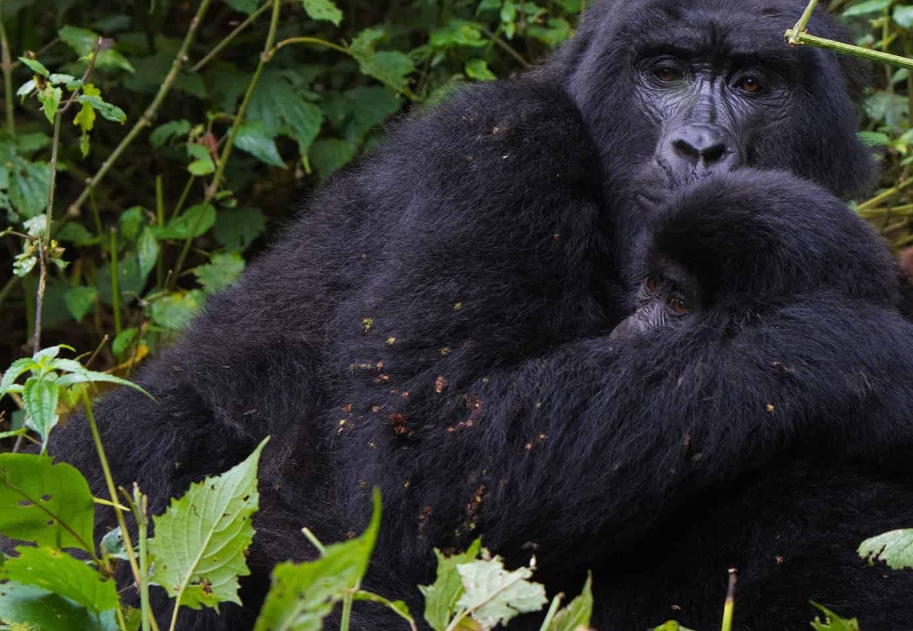
Gorilla Trekking in Mgahinga National Park from Canada: Visitors to Mgahinga meet one gorilla family, the Nyakagezi group. It is the only family in the park that has been fully habituated, a patient process of acclimatising wild gorillas to respectful human visitors. Nyakagezi was opened to tourism in 1993, and its members are comfortable enough with people that trekkers can spend an hour nearby without disturbing the family’s routine. With a single family and a small park, the experience tends to feel quieter and more personal than in busier destinations.
Gorilla Permits and Prices
Every trekker needs a permit from the Uganda Wildlife Authority (UWA). Canadian visitors are classed as foreign non-residents. The current rates are US$800 for foreign non-residents, US$700 for foreign residents and UGX 300,000 for East African citizens. If you can travel in April, May or November, discounted permits cost US$600 for foreign non-residents and US$500 for foreign residents, which is a welcome saving on an already big trip.
Availability is the main challenge. Only eight permits are issued per day, because UWA limits each gorilla family to eight visitors. Permits sell out quickly in the dry months, so book three to four months ahead, or more. Foreign non-resident visitors are generally asked to book through licensed Ugandan tour operators, which is easy to arrange from Canada. A good operator will confirm availability, secure your permit and coordinate transport and lodging.
Trek-Day Experience
The day begins early at Ntebeko Visitor Centre, where all trekkers gather for a briefing. Rangers explain the rules of gorilla etiquette, such as keeping a respectful distance, staying quiet and avoiding sudden movements. A group of no more than eight people then follows armed ranger guides into the forest.
The guides lead the way along different trails, tracking footprints, nests and leftover food. The search typically lasts two to seven hours, depending on where the gorillas have moved, and along the way, you may spot other wildlife and birds. When the Nyakagezi family is found, you have one hour to watch them. You will see them nesting, feeding, grooming, nursing and playing, and you can take photographs while the guides share what they know about the family. Afterwards, you trek back out and collect your trekking certificate at Ntebeko.
Things to Pack for Gorilla trekking
Mountain forests are steep, damp and muddy, even in the dry season. Bring waterproof hiking boots, gaiters and long cotton socks, plus long-sleeved shirts and long trousers to protect against nettles and insects. Add a rain jacket, a hat and a light backpack. A camera, binoculars, insect repellent, sunscreen, a water bottle and energy snacks complete the kit. Canadians used to cold-weather layering will find the skill useful here, since highland mornings are cool but the day warms quickly.
Best Time to Visit Mgahinga National Park
Mgahinga has two dry seasons and two rainy seasons each year. The dry seasons, June to September and December to February, are the best time to trek. Little rain keeps the trails drier and easier to walk, vegetation is shorter for clearer views and roads to the park are in good condition. These months also line up with the Canadian summer holidays and winter break, which makes planning convenient.
The rainy seasons, March to May and October to November, are also possible, since the park stays open. They bring muddy, slippery trails, taller vegetation and rougher roads, but also fewer visitors, cheaper lodging and, in April, May and November, discounted permits. If you travel then, bring serious rain gear.
Accessing Mgahinga from From Canada
Gorilla Trekking in Mgahinga National Park from Canada: The journey takes some planning. Canada has no direct flights to Uganda, so you will typically connect through a European or Middle Eastern hub. Check current schedules and book early for peak travel periods. You have two main entry points: Entebbe International Airport in Uganda or Kigali International Airport in Rwanda. Before you go, confirm visa and health requirements, including whether you need proof of yellow fever vaccination.
From Entebbe, you can fly or drive. Bar Aviation Uganda and Aerolink Uganda operate morning flights from Entebbe and Kajjansi to Kisoro Airstrip, taking about an hour and twenty-five minutes. A driver-guide then takes you to the park. By road, the journey takes nine to ten hours through Masaka, Lyantonde, Mbarara, Ntungamo and Kabale, with plenty of scenery along the way. Because flights land in the morning, plan to trek the following day.
From Kigali, the park is about four to five hours away by road. You cross into Uganda at the Cyanika border in Kisoro and continue to the park. For many travellers, this is the quickest overland option. Consider adding a rest day after your long flights, since jet lag can leave you tired before an early, physical trek.
Accommodation in Mgahinga National Park
Accommodation near Mgahinga suits every budget, from simple camps to comfortable lodges. Popular choices include Mgahinga Gorilla Triangle Lodge, Musasa Mountain Safari Lodge, Tiloreza Volcanoes Lodge, Mgahinga Safari Lodge, Mount Gahinga Rest Camp, Mount Gahinga Lodge and Mutanda Safari Lodge. Book early for the dry months, when rooms fill quickly.
Other activities to Do in Mgahinga
Despite Mgahinga’s small size, you can enjoy golden monkey trekking, a volcano hike, birdwatching or a Batwa community walk without long transfers. Many Canadian travellers also pair their gorilla trek with other Ugandan highlights, which makes the long journey even more worthwhile.